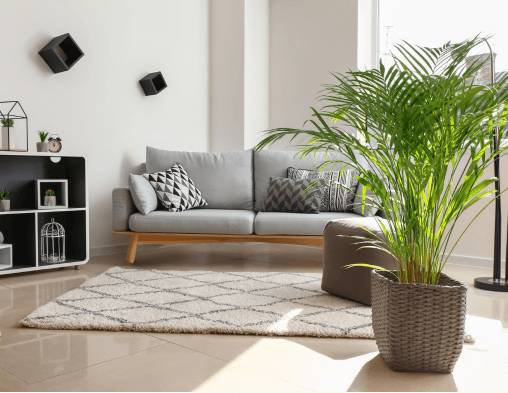
Areca Palm: A Tropical Beauty for Your Home
Introduction
The Areca Palm (Dypsis lutescens) is a stunning clumping palm native to Madagascar. Its graceful fronds and golden trunks make it a favorite choice for both indoor and outdoor plantings. Let’s dive into the world of this elegant palm and learn how to care for it.
Key Characteristics
Botanical Name: Dypsis lutescens (formerly known as Chrysalidocarpus lutescens)
Common Names: Areca palm, golden cane palm, yellow palm, butterfly palm, bamboo palm
Family: Arecaceae
Native Area: Madagascar, with naturalized populations in various other regions.
Growing Conditions
1. Light
Indoors: Areca palms thrive in bright light. Place them near a south- or west-facing window to ensure they receive adequate sunlight.
Outdoors: These palms tolerate both bright, filtered sunlight and full sun exposure.
2. Soil
Outdoor Plants: Opt for rich, slightly acidic soil with good drainage (pH around 6.0). Amending the soil with sand and peat moss can enhance porousness and lower pH.
Indoor Plants: Use a well-draining, peat-based potting mix formulated specifically for palms.
3. Watering
Areca palms prefer moist soil but are sensitive to overwatering. Allow the soil to dry out slightly between waterings.
Avoid waterlogged conditions or sitting in a water-saturated potting mix.
4. Temperature and Humidity
Ideal indoor temperatures range from 70°F to 80°F (21°C to 27°C).
The palm can survive brief drops to 32°F (0°C) but grows best in regions where outdoor temperatures don’t dip below 50°F (10°C).
Protect indoor plants from cold drafts and extreme temperature fluctuations.
Care Tips
Pruning
Remove any yellowing or damaged fronds to maintain the plant’s appearance.
Prune sparingly to avoid stressing the palm.
Propagation
Areca palms can be propagated through division.
Separate offsets (new shoots) from the parent plant and replant them.
Fertilization
Feed regularly during the spring and summer using a balanced liquid fertilizer.
Follow the manufacturer’s instructions for application.
Common Issues
Yellowing Leaves: Usually due to overwatering or insufficient light.
Brown Tips: Dry indoor air or underwatering may cause this issue.
Pests: Keep an eye out for spider mites and scale insects.
Fun Facts
The Areca palm is an endangered species in its native Madagascar but is commonly seen in warm climates across the United States.
Outdoors, it often lines streets or serves as a privacy screen.
Indoors, it rarely blooms.
Conclusion
The Areca Palm is not just a houseplant; it’s a living piece of tropical paradise. With proper care, it will reward you with lush green fronds and a touch of exotic elegance. So go ahead, bring home an Areca Palm, and let its golden beauty transform your living space!
Remember to enjoy the journey of nurturing this remarkable plant, and may your home be forever graced by the presence of the Areca Palm.

Contact Info
- Address: Love gardens LLC , nursery warsan 3, Dubai
- Phone: +971 554899462
- Email: [email protected]