Money Plant: A Green Treasure for Prosperity
Introduction
The money plant (Epipremnum aureum) is more than just a decorative houseplant—it’s a symbol of fortune, abundance, and positive energy. Whether you’re a seasoned plant enthusiast or a beginner, cultivating money plants can bring both greenery and prosperity to your home.
In this comprehensive blog post, we’ll delve into the fascinating world of money plants, exploring their various types, care tips, and the wealth they represent.
Types of Money Plants
1. Golden Pothos
- Botanical Name: Epipremnum aureum
- Common Name: Pothos
- Why “Money Plant”?: Pothos is popularly known as the “Money Plant” in many Asian countries, especially South Asia. It’s believed to bring good luck and financial prosperity. The heart-shaped leaves and trailing vines make it a favorite for both homes and offices.
2. Chinese Money Plant
- Botanical Name: Pilea peperomioides
- Why “Money Plant”?: The coin-shaped green leaves of the Chinese Money Plant attract positive energy and financial abundance. It’s a favorite in feng shui practices.
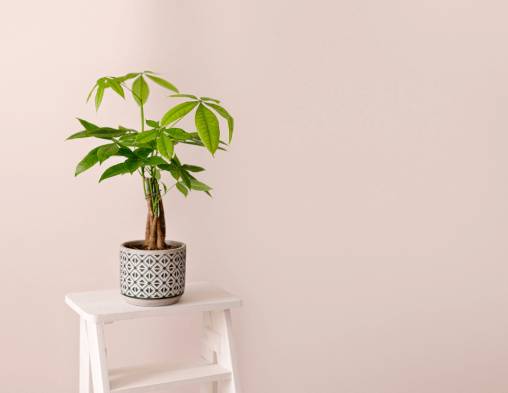
3. Money Tree
- Botanical Name: Pachira aquatica
- Why “Money Plant”?: According to feng shui principles, the Money Tree brings good fortune because it produces five leaves per stem—a number associated with wealth, health, and prosperity.
4. Jade Plant
- Botanical Name: Crassula ovata
- Why “Money Plant”?: The round or oval foliage of the Jade plant symbolizes money and fortune. It’s often gifted during new ventures or business openings.
5. Rubber Plant
- Botanical Name: Ficus elastica
- Why “Money Plant”?: The leathery, green, oblong leaves of the rubber plant denote luck, wealth, and prosperity in Vastu (Indian traditional architecture). Place it at your home or office entrance.
6. Silver Dollar Vine
- Botanical Name: Xerosicyos danguyi
- Why “Money Plant”?: Also known as the “String of Coins,” this plant features oval leaves resembling coins. Some people refer to it as the money plant as well.
7. Split Leaf Money Plant
- Botanical Name: Monstera deliciosa
- Why “Money Plant”?: The Split-Leaf Money Plant, also called the Swiss Cheese Plant, is drought-tolerant and thrives in low-light conditions. Its large, split green leaves are believed to bring luck and fortune.
- Botanical Name: Monstera deliciosa
- Why “Money Plant”?: The Split-Leaf Money Plant, also called the Swiss Cheese Plant, is drought-tolerant and thrives in low-light conditions. Its large, split green leaves are believed to bring luck and fortune.
8. Monkey Mask Money Plant
- Botanical Name: Monstera adansonii
- Why “Money Plant”?: The Monkey Mask Money Plant has variegated, oval-shaped leaves with perforations. It’s often grown in the southeast corner of living rooms for cascading beauty and luck.
Caring for Your Money Plants
- Light: Provide bright, indirect light for most money plants. They can tolerate low light but thrive with more illumination.
- Soil: Use well-draining potting mix.
- Watering: Keep the soil consistently moist but not waterlogged.
- Temperature and Humidity: Warm, humid environments suit money plants.
- Pruning: Remove yellowing leaves to maintain appearance.
- Propagation: Money plants can be propagated through cuttings.
- Light: Provide bright, indirect light for most money plants. They can tolerate low light but thrive with more illumination.
- Soil: Use well-draining potting mix.
- Watering: Keep the soil consistently moist but not waterlogged.
- Temperature and Humidity: Warm, humid environments suit money plants.
- Pruning: Remove yellowing leaves to maintain appearance.
- Propagation: Money plants can be propagated through cuttings.
- Light: Provide bright, indirect light for most money plants. They can tolerate low light but thrive with more illumination.
- Soil: Use well-draining potting mix.
- Watering: Keep the soil consistently moist but not waterlogged.
- Temperature and Humidity: Warm, humid environments suit money plants.
- Pruning: Remove yellowing leaves to maintain appearance.
- Propagation: Money plants can be propagated through cuttings.
Fun Facts
- Money plants are native to various regions, including central America and southern Africa.
- They are evergreen succulents with thick stems and glossy leaves.
- Outdoors, some money plants can grow over a foot long.
- Indoors, they rarely bloom but continue to bring wealth and green beauty.
- Money plants are native to various regions, including central America and southern Africa.
- They are evergreen succulents with thick stems and glossy leaves.
- Outdoors, some money plants can grow over a foot long.
- Indoors, they rarely bloom but continue to bring wealth and green beauty.
Conclusion
Embrace the symbolism of money plants and let their presence enhance your space. Whether you choose a Pothos, Jade, or Money Tree, may your home be blessed with prosperity and abundance!

Contact Info
- Address: Love gardens LLC , nursery warsan 3, Dubai
- Phone: +971 554899462
- Email: [email protected]