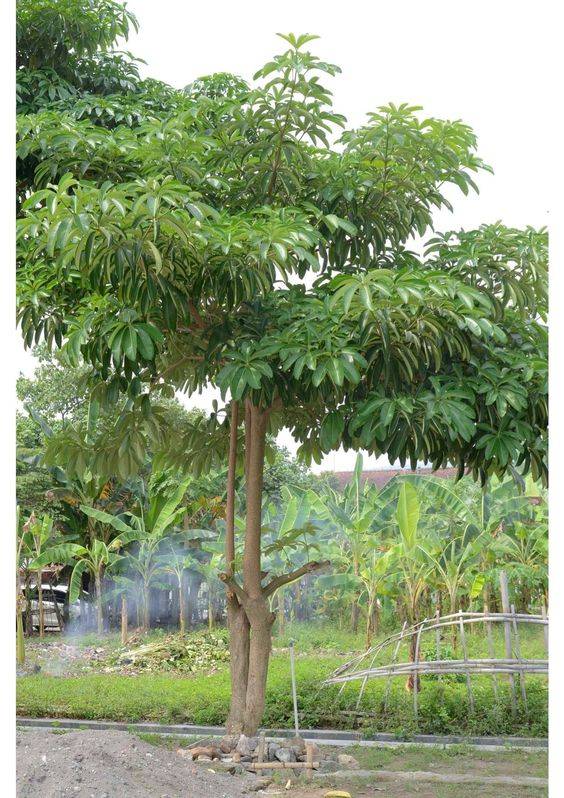
Alstonia scholaris



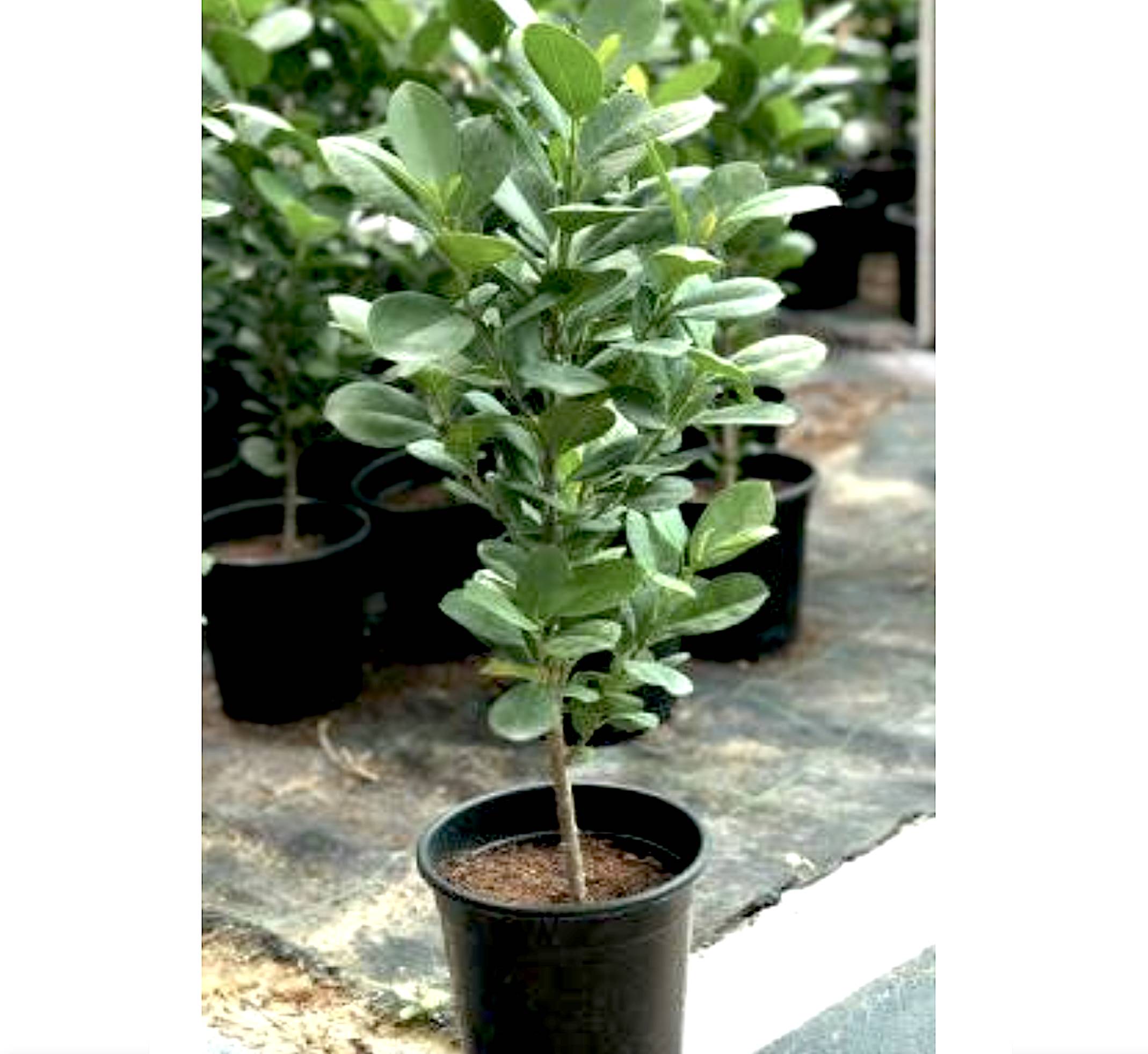
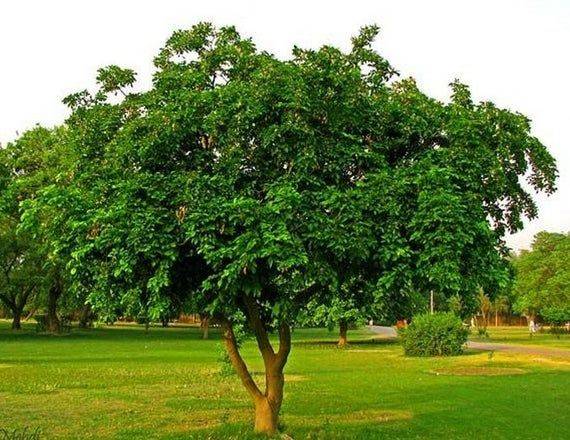
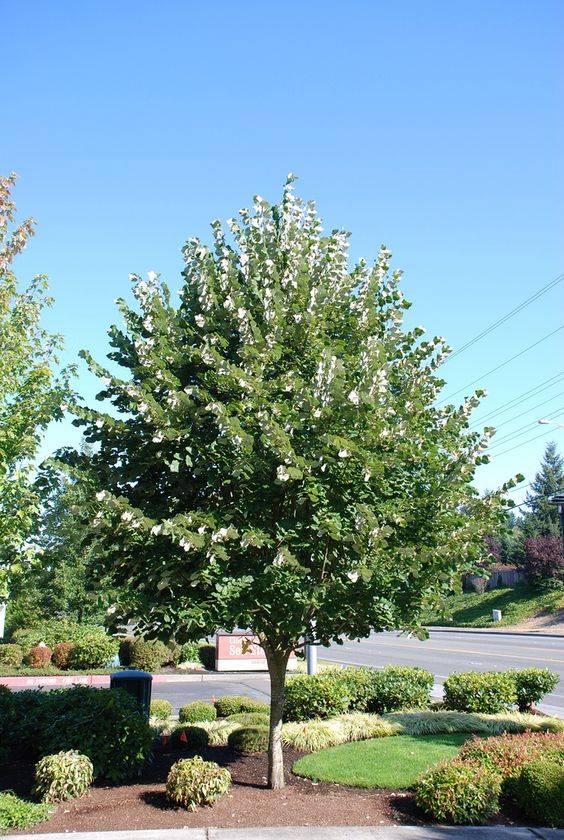
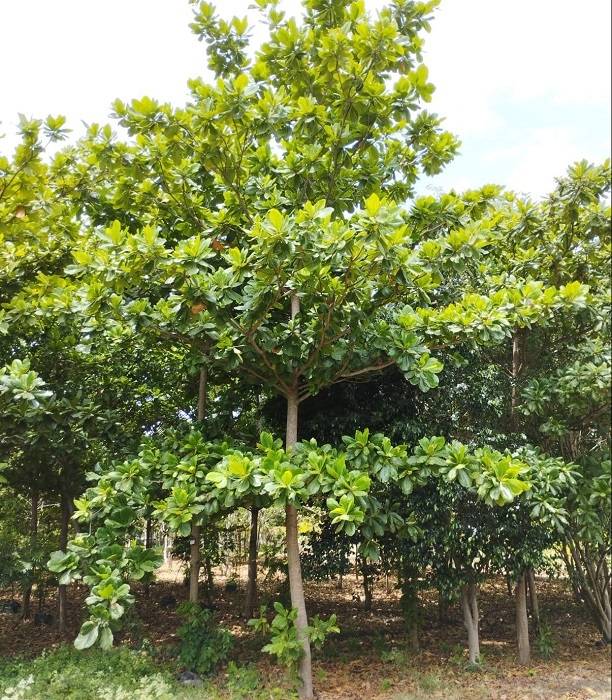
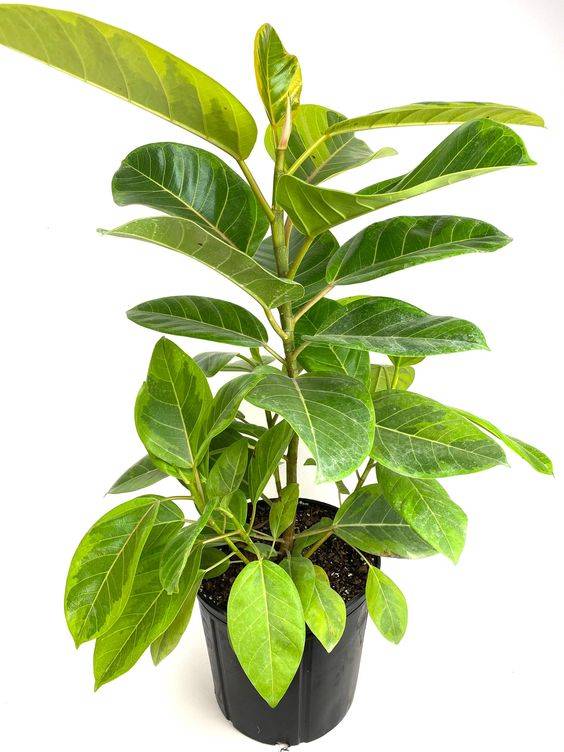
Alstonia scholaris, also known as blackboard tree, scholar tree, milkwood or devil’s tree, is an evergreen tropical tree in the Apocynaceae family. It is native to southern China, tropical Asia (mainly the Indian subcontinent and Southeast Asia) and Australasia, where it is a common ornamental plant. The tree can grow up to 40 m (130 ft) tall and has a somewhat tessellated corky gray to gray-white bark. The boles of larger trees are strongly fluted to 10 m. The outer blaze is cream to yellowish in color with abundant, milky latex that flows rapidly when cut. A unique feature of this tree is that in some places, such as New Guinea, the trunk is three-sided (i.e., it is triangular in cross-section). The leaves are glossy on the upper side and grayish on the underside. They occur in whorls of three to ten; petioles are 1–3 cm (0.39–1.18 in); the leathery leaves are narrowly obovate to very narrowly spathulate, base cuneate, apex usually rounded and up to 23 cm (9.1 in) long by up to 8 cm (3.1 in) in width. Lateral veins occur in 25 to 50 pairs at 80–90° to midvein. The flowers are very fragrant, similar to the flower of Cestrum nocturnum. They bloom in October and have a white tube-like corolla with broadly ovate or broadly obovate lobes that overlap to the left. The ovaries are distinct and pubescent, while the follicles are distinct and linear.
Light: This plant prefers bright, indirect sunlight. It can tolerate some direct sunlight, but too much can scorch the leaves.
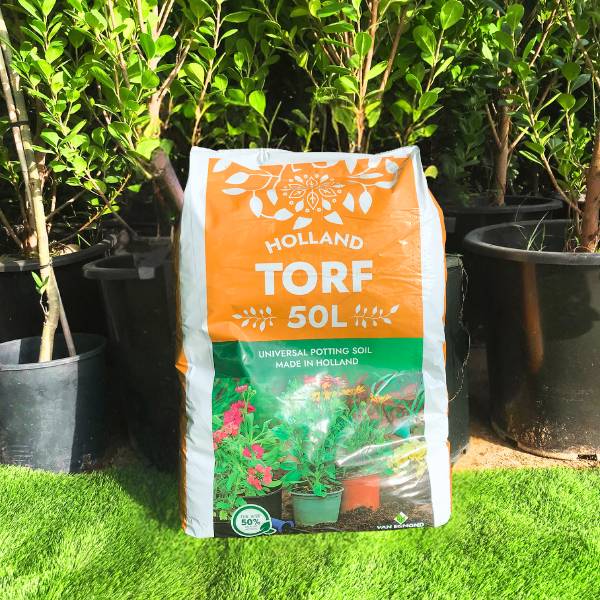
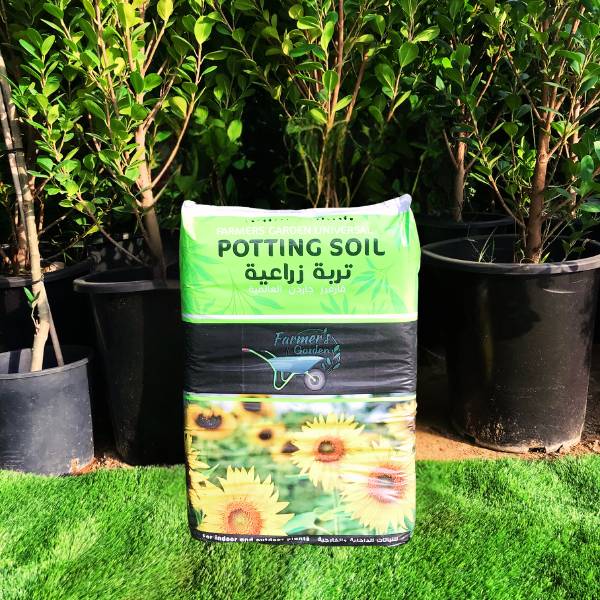
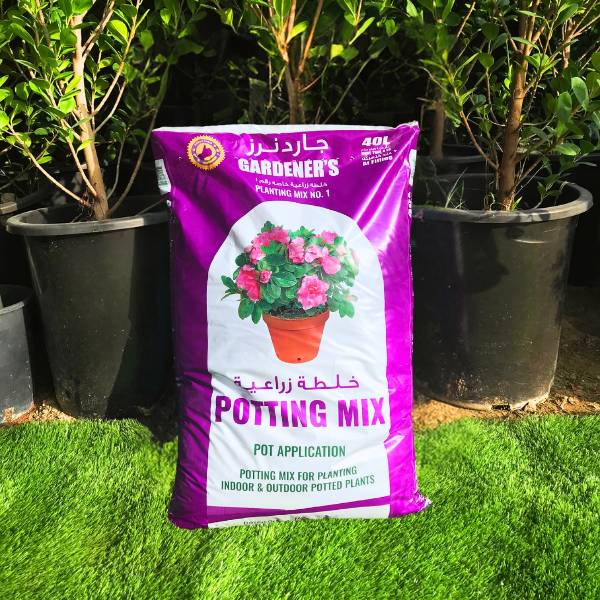
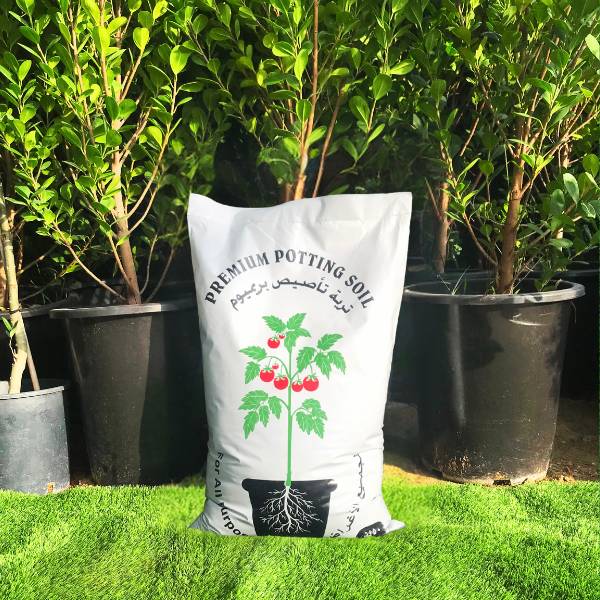
Soil: Use a well-draining soil mix that is rich in organic matter. A mix of peat moss, perlite, and sand works well.
Water: Water the plant when the top inch of soil is dry to the touch. Do not overwater, as this can lead to root rot.
Temperature and Humidity: Alstonia scholaris prefers warm temperatures between 60 and 80°F (15-27°C). It can tolerate lower temperatures but may drop its leaves if exposed to cold drafts or temperatures below 50°F (10°C).
Fertilizer: Feed the plant with a balanced fertilizer every two weeks during the growing season (spring and summer). Reduce feeding to once a month during the fall and winter months.
Propagation: Propagate by stem cuttings or seeds.
Here are some step-by-step instructions for taking care of Alstonia scholaris:
Review
Related products














































































Contact Info
- Address: Love gardens LLC , nursery warsan 3, Dubai
- Phone: +971 554899462
- Email: [email protected]