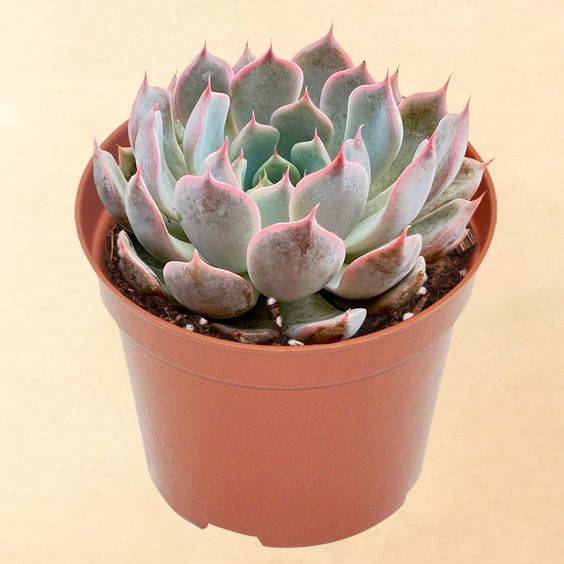
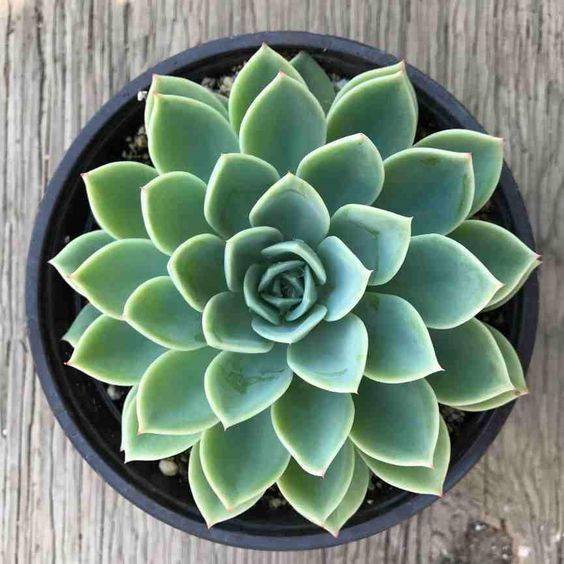
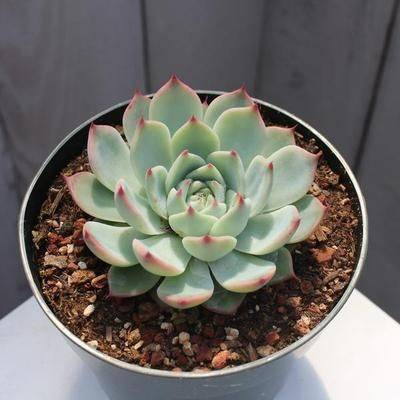
Echeveria succulent
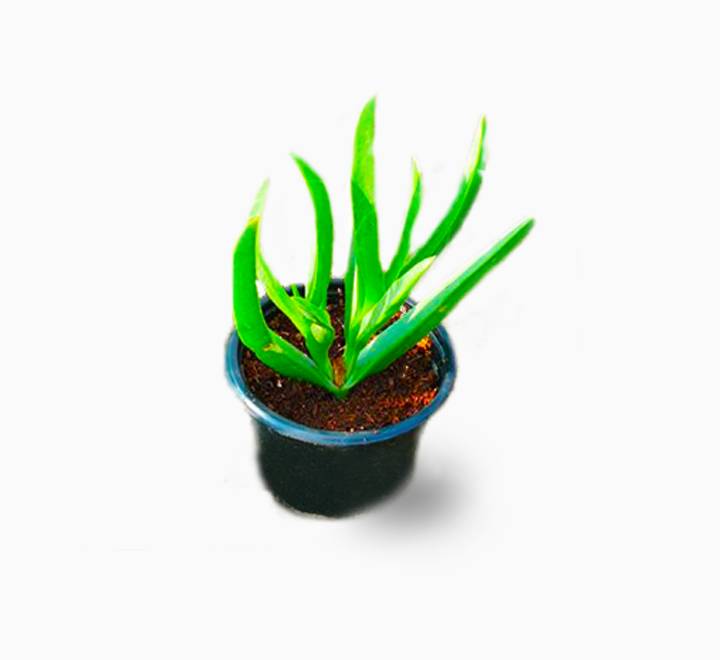
Echeveria is a genus of about 150 species of succulent plants in the stonecrop family (Crassulaceae), native from Texas to Argentina. These rose-shaped succulents are easy to care for, drought-resistant, and come in a beautiful variety of colors and sizes. The plant flowers readily, mostly coral-pink, yellow-tipped, or reddish-orange blooms, and grows quickly compared to other succulents. It functions well as ground cover and does well in containers. The leaves of Echeveria are fleshy and succulent-like and can often be covered in a powdery wax or tiny hair. They come in a range of colors, from green to blue-gray, pink to purple, and sometimes featuring beautiful, vibrant edges.
Light: Echeverias require bright, indirect sunlight to thrive. Direct sunlight can damage the leaves and flowers.
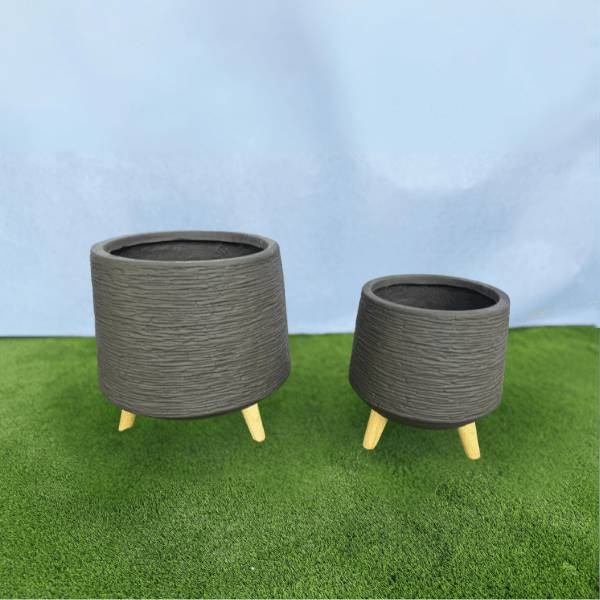
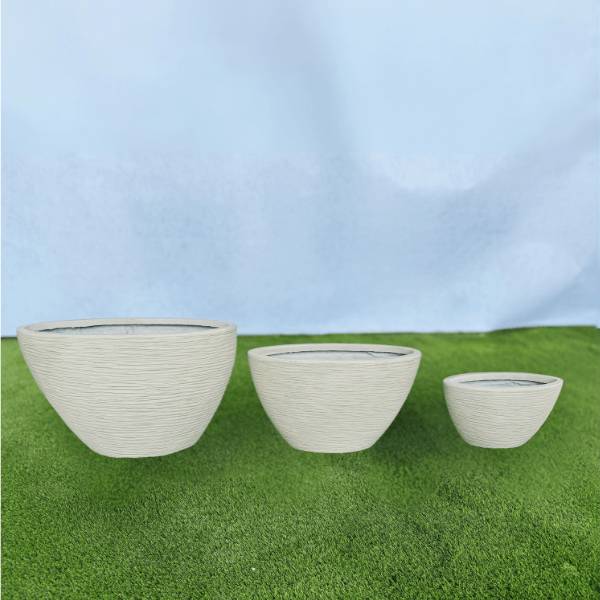
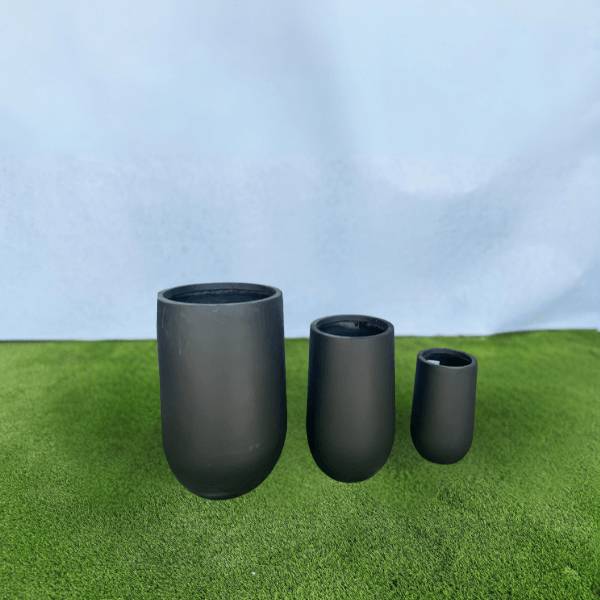
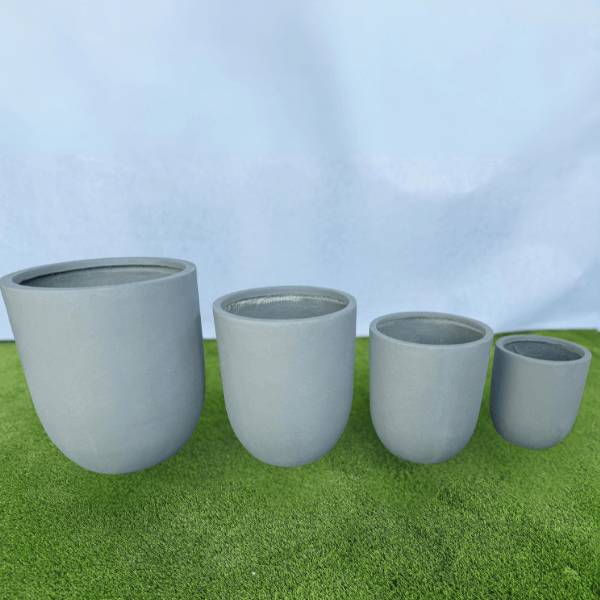
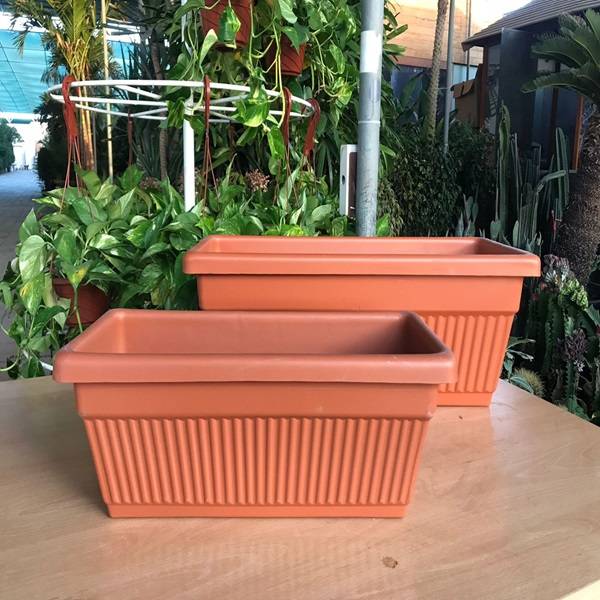
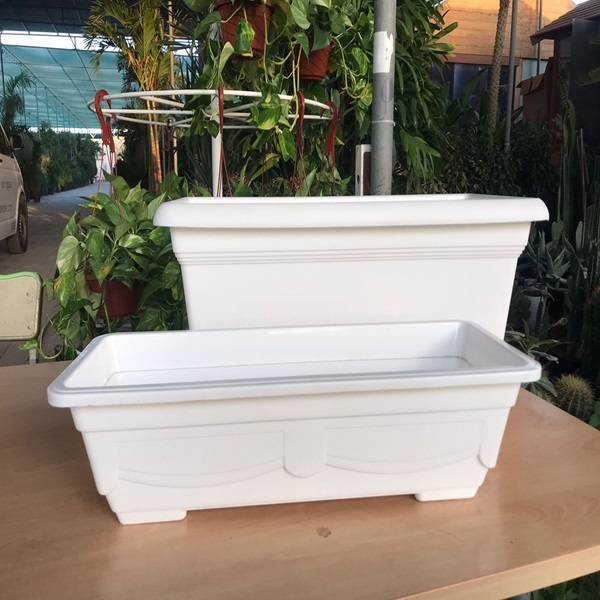
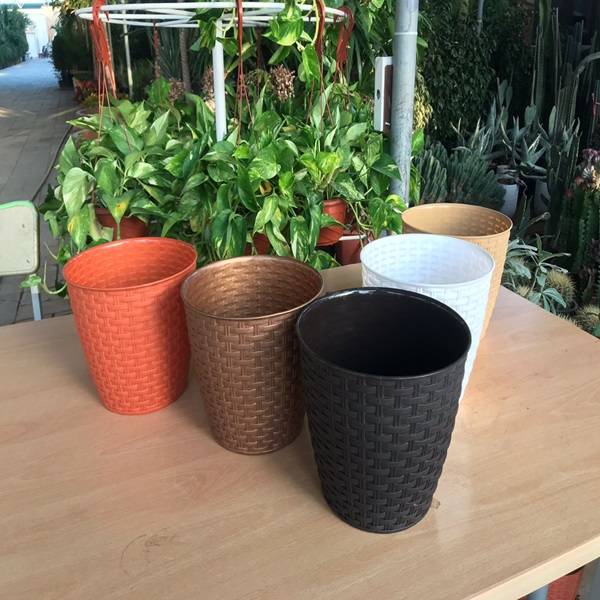
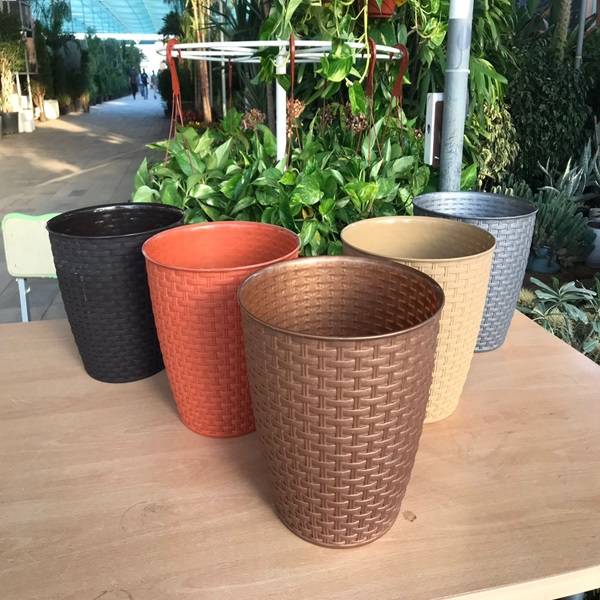
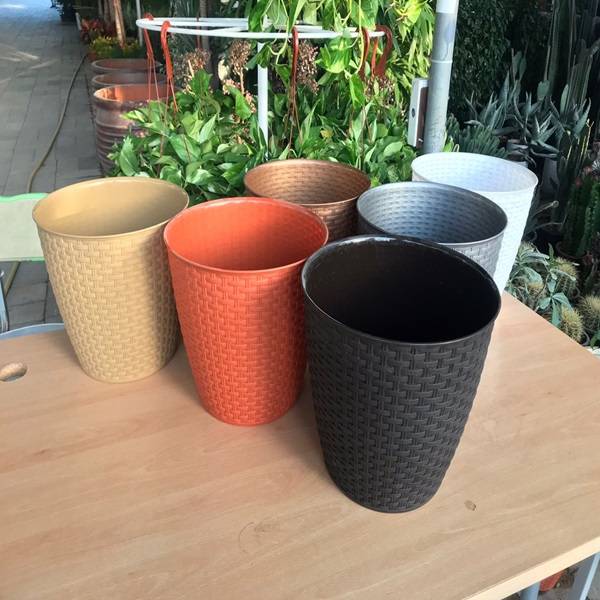
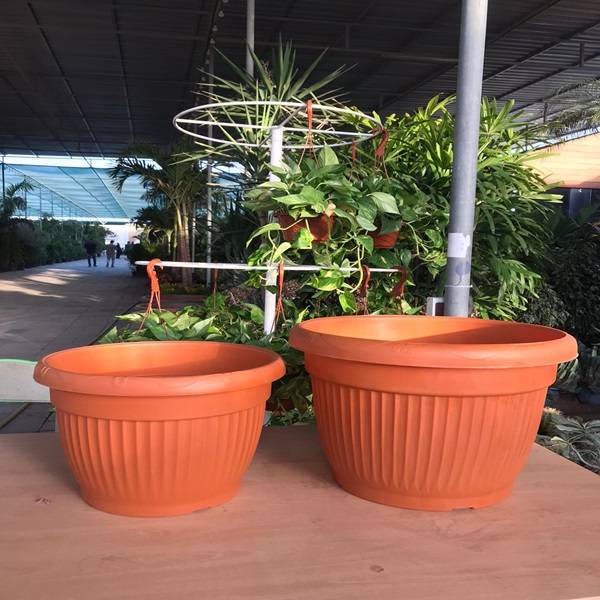
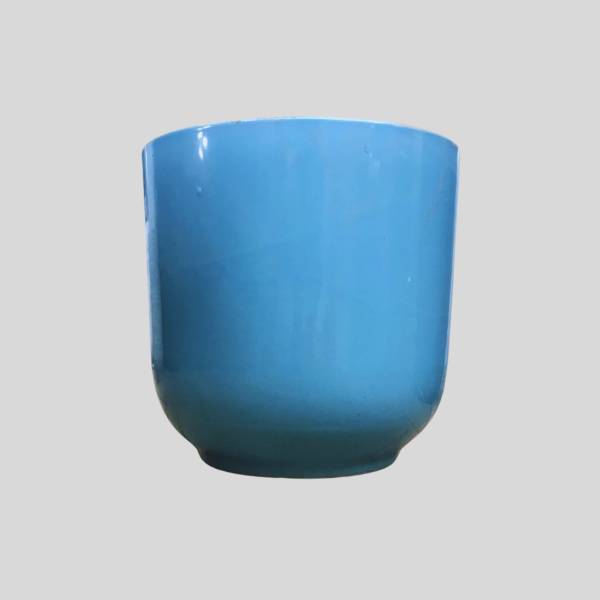
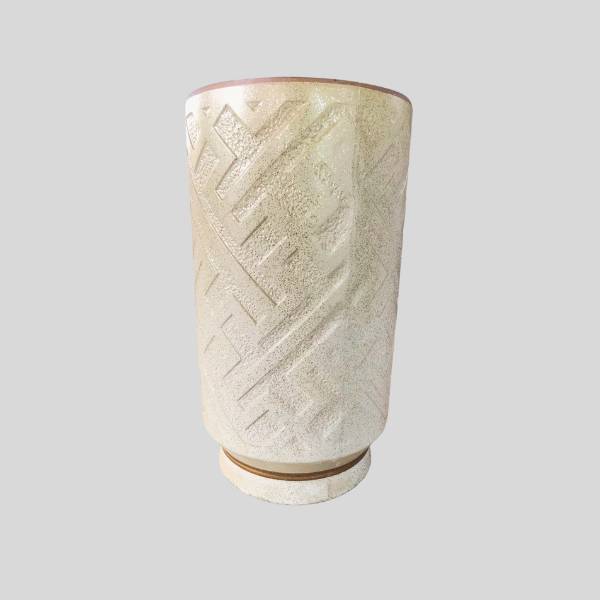
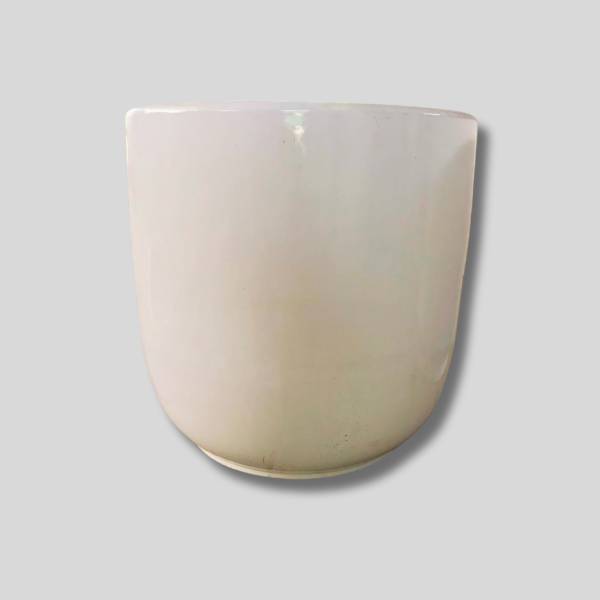
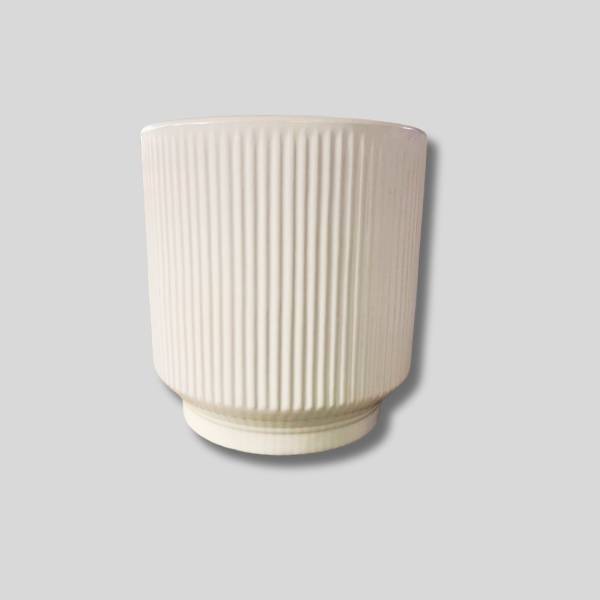
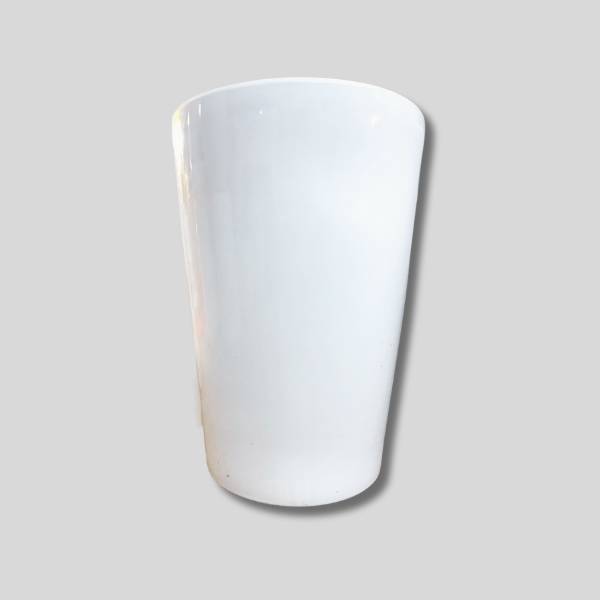
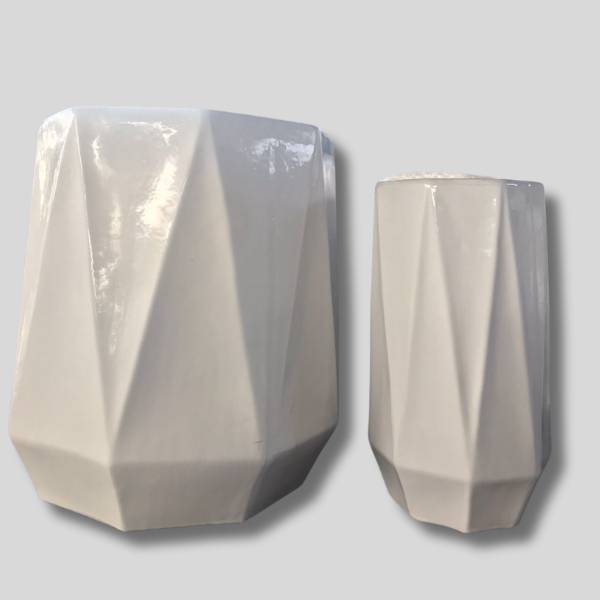
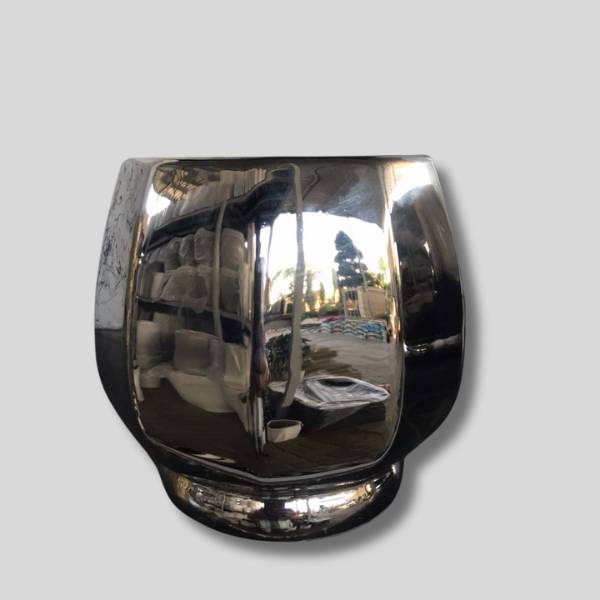
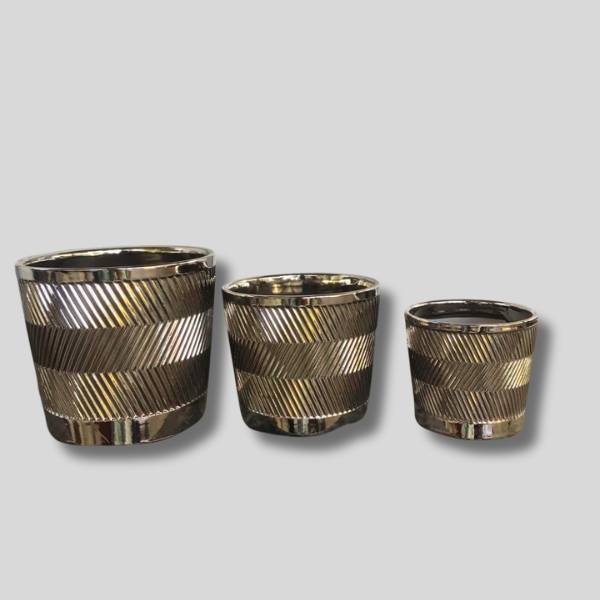
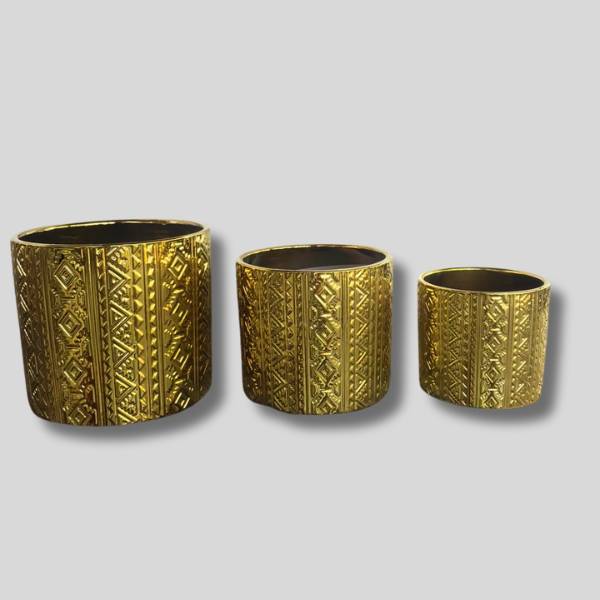
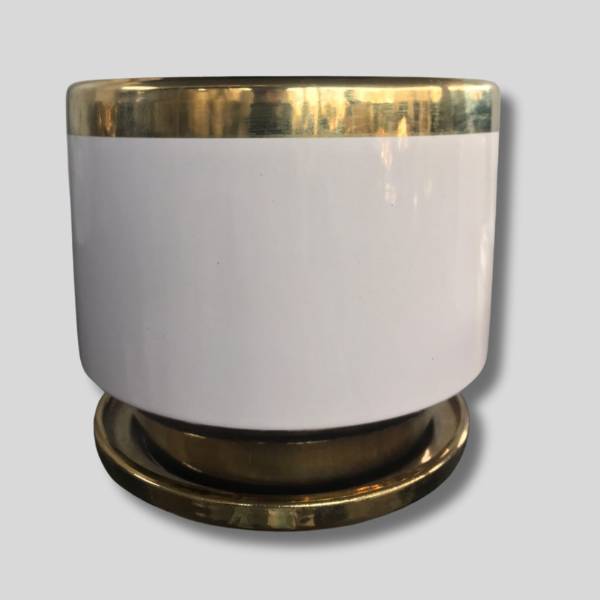
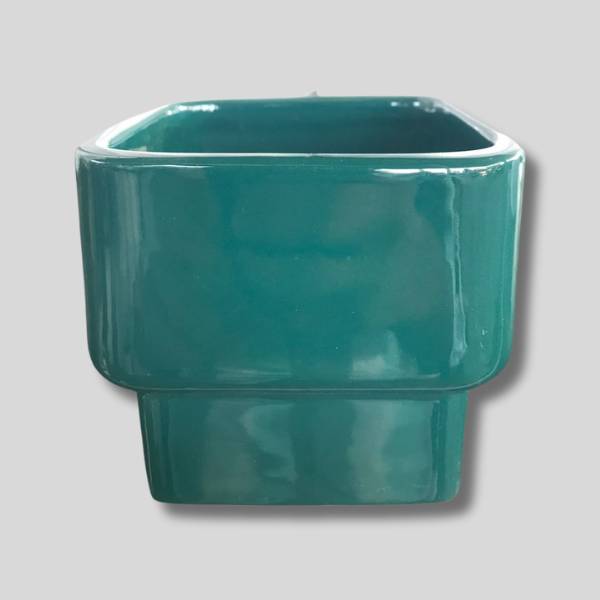
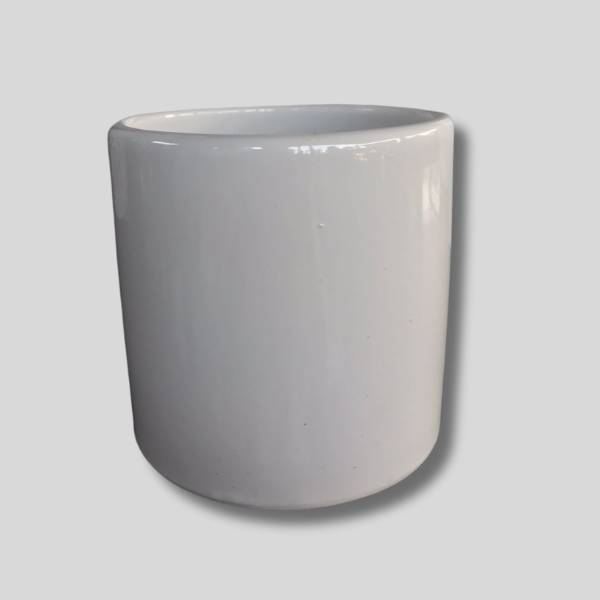
Pot: Echeverias require pots with good drainage and air circulation. Transparent pots are beneficial as they allow sunlight and air to reach the roots.
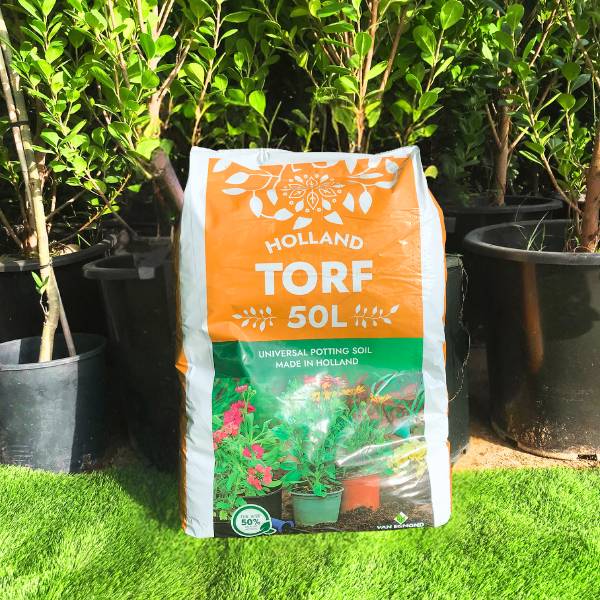
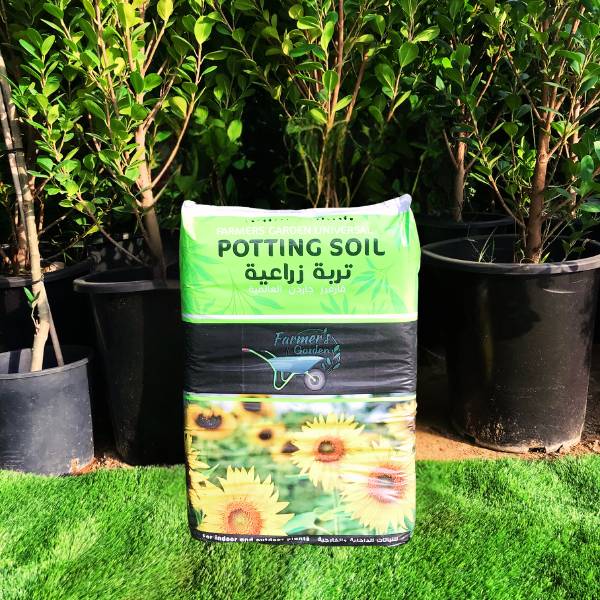
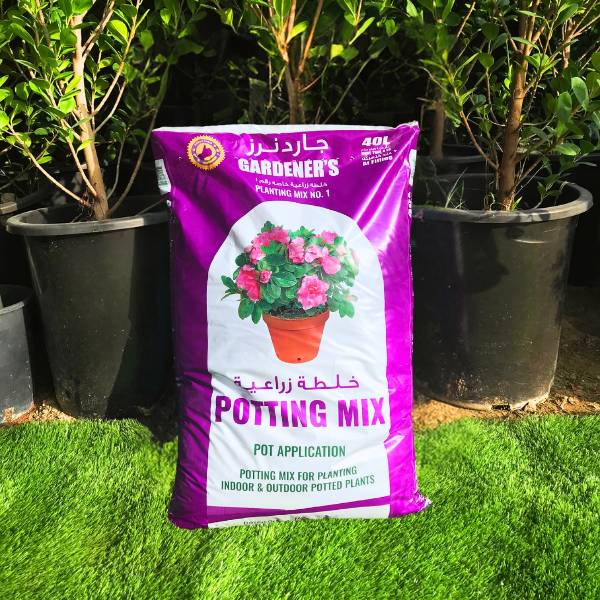
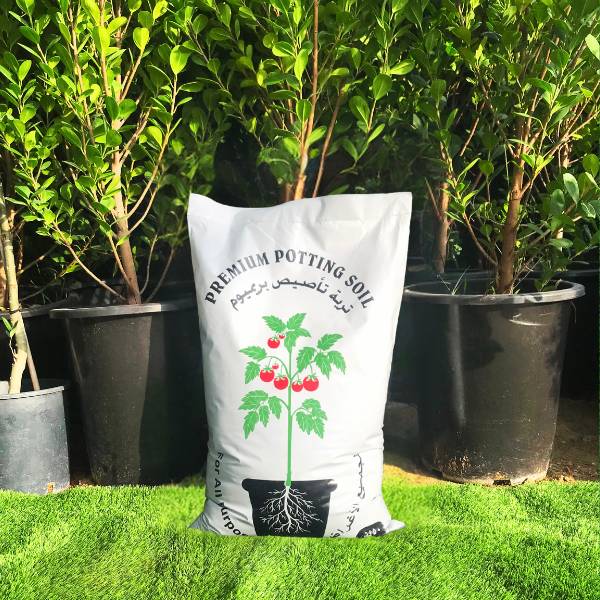
Potting mix: Echeverias require a potting mix that provides optimal growing conditions for the plant. A well-draining soil mix is essential for the health of your plant.
Watering: Water your Echeveria when the soil has almost dried out completely. Overwatering can cause root rot and kill the plant.
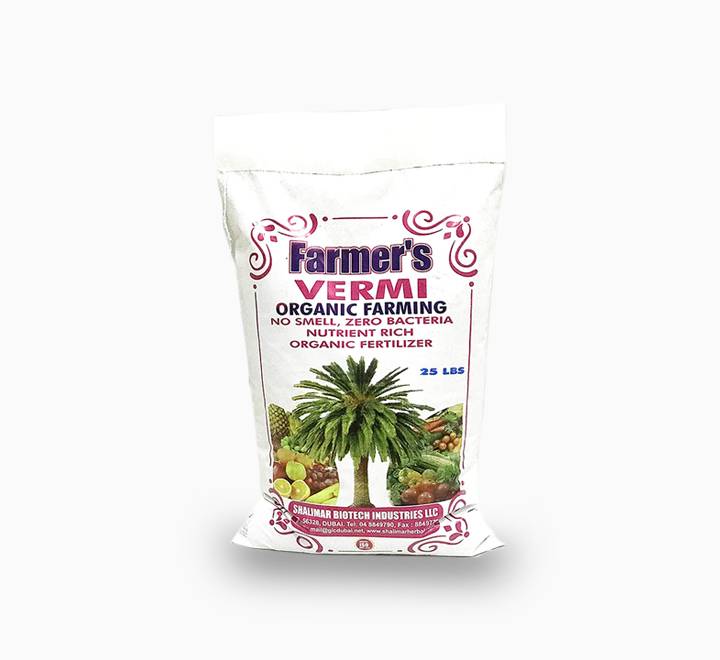
Fertilizing: Fertilize your Echeveria once every two weeks during the growing season with a balanced 10-10-10 fertilizer diluted to half-strength.
Humidity: Echeverias require humidity levels between 40-60%. You can use a humidifier or place a tray of water near the plant to maintain humidity levels.
Pruning: Prune your Echeveria when it has finished flowering to promote new growth.
Here are some tips for caring for your Echeveria succulent:
Review
Related products






Contact Info
- Address: Love gardens LLC , nursery warsan 3, Dubai
- Phone: +971 554899462
- Email: [email protected]