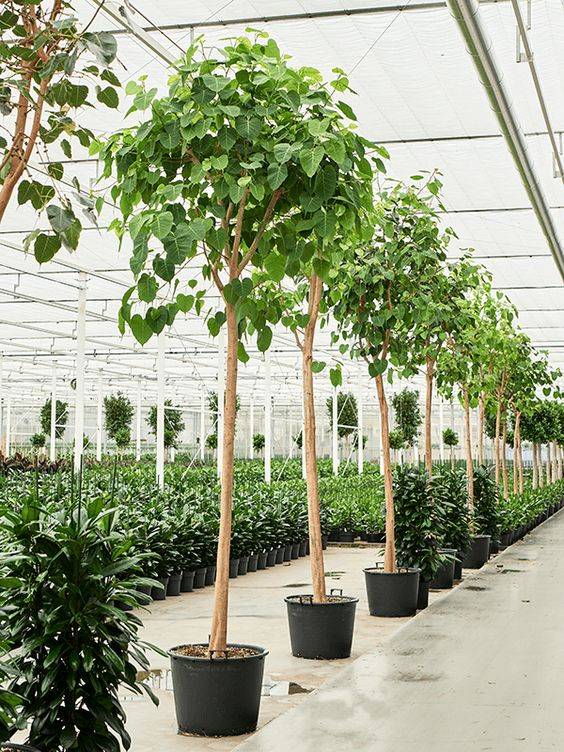
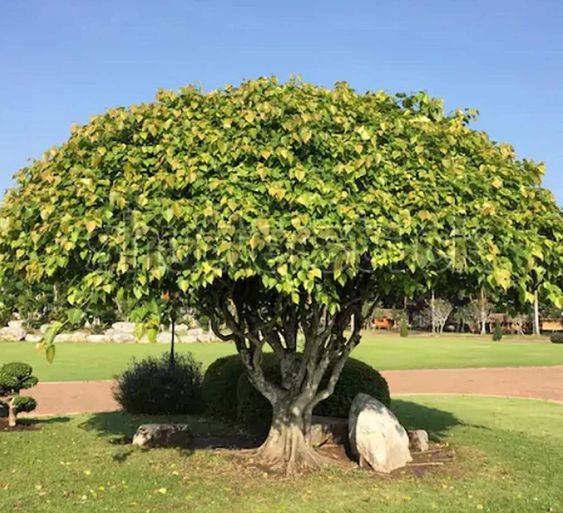
Ficus religiosa




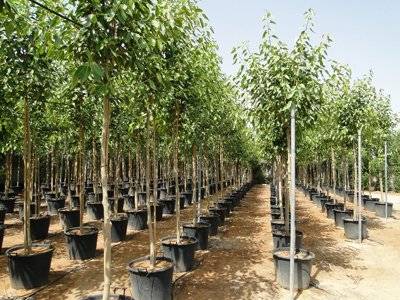
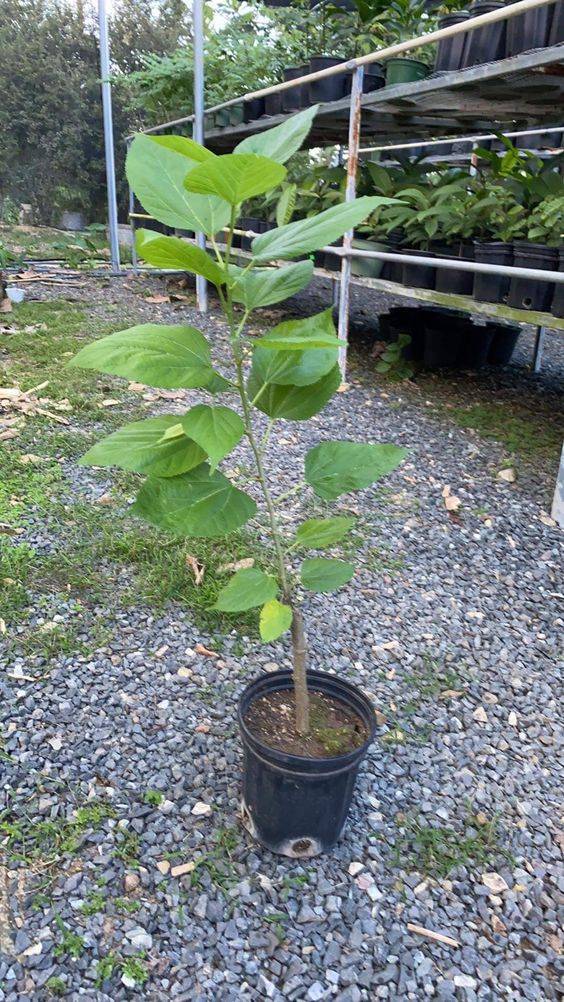
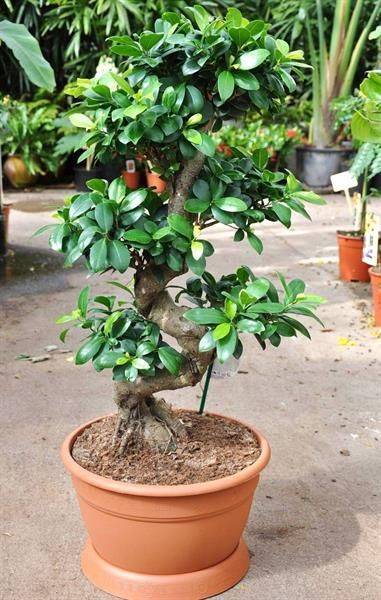
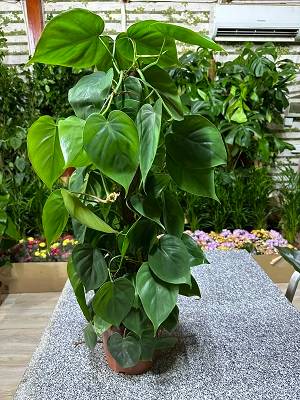
Ficus religiosa, commonly known as the sacred fig, is a species of fig native to the Indian subcontinent and Indochina that belongs to Moraceae, the fig or mulberry family. It is also known as the bodhi tree, pimple tree, peepul tree, pipala tree, ashvattha tree (in India and Nepal), or Asathu (ඇසතු) in Sinhala. The sacred fig is considered to have religious significance in three major religions that originated on the Indian subcontinent: Hinduism, Buddhism, and Jainism. Hindu and Jain ascetics consider the species to be sacred and often meditate under it. A tree of this species under which Gautama Buddha is believed to have attained enlightenment. Ficus religiosa is a large dry season-deciduous or semi-evergreen tree up to 30 meters (98 ft) tall with a trunk diameter of up to 3 meters (9.8 ft). The leaves are cordate in shape with a distinctive extended drip tip; they are 10-17 centimeters (3.9-6.7 inches) long and 8-12 centimeters (3.1-4.7 inches) broad, with a 6-10 centimeters (2.4-3.9 inches) petiole. The fruits are small figs 1-1.5 centimeters (0.39-0.59 inches) in diameter, green ripening to purple. Ficus religiosa has a lifespan ranging between 900 and 1,500 years.
Planting: Ficus religiosa prefers well-drained, sandy loam soils with a pH between 6.0 and 8.0. Plant the tree in moist, well-drained soil in an area that gets full sun.
Watering: Water regularly but sparingly during the growing season. Do not overwater, as Ficus religiosa is a fairly drought-tolerant plant.
Lighting: Ficus religiosa prefers full sun but will tolerate partial shade.
Temperature: Ficus religiosa requires warm temperatures and is hardy to USDA zones 10-12. The optimum growing temperature is between 77-95°F (25-35°C).
Fertilization: Fertilize with a balanced, slow-release fertilizer once per year in the spring .
Pruning: Prune in the winter to remove dead or damaged branches and to shape the tree.
Here are some step-by-step instructions for caring for your Ficus religiosa:
Review
Related products





























































































































Contact Info
- Address: Love gardens LLC , nursery warsan 3, Dubai
- Phone: +971 554899462
- Email: [email protected]