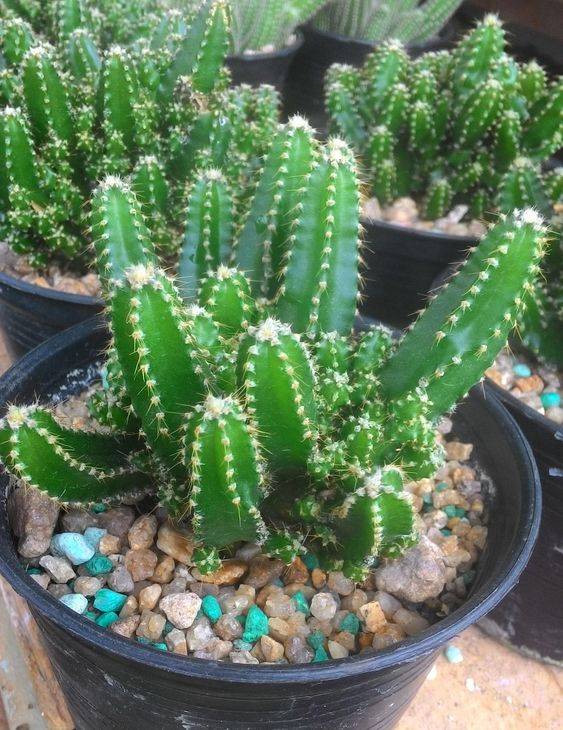
Cereus Peruvianus




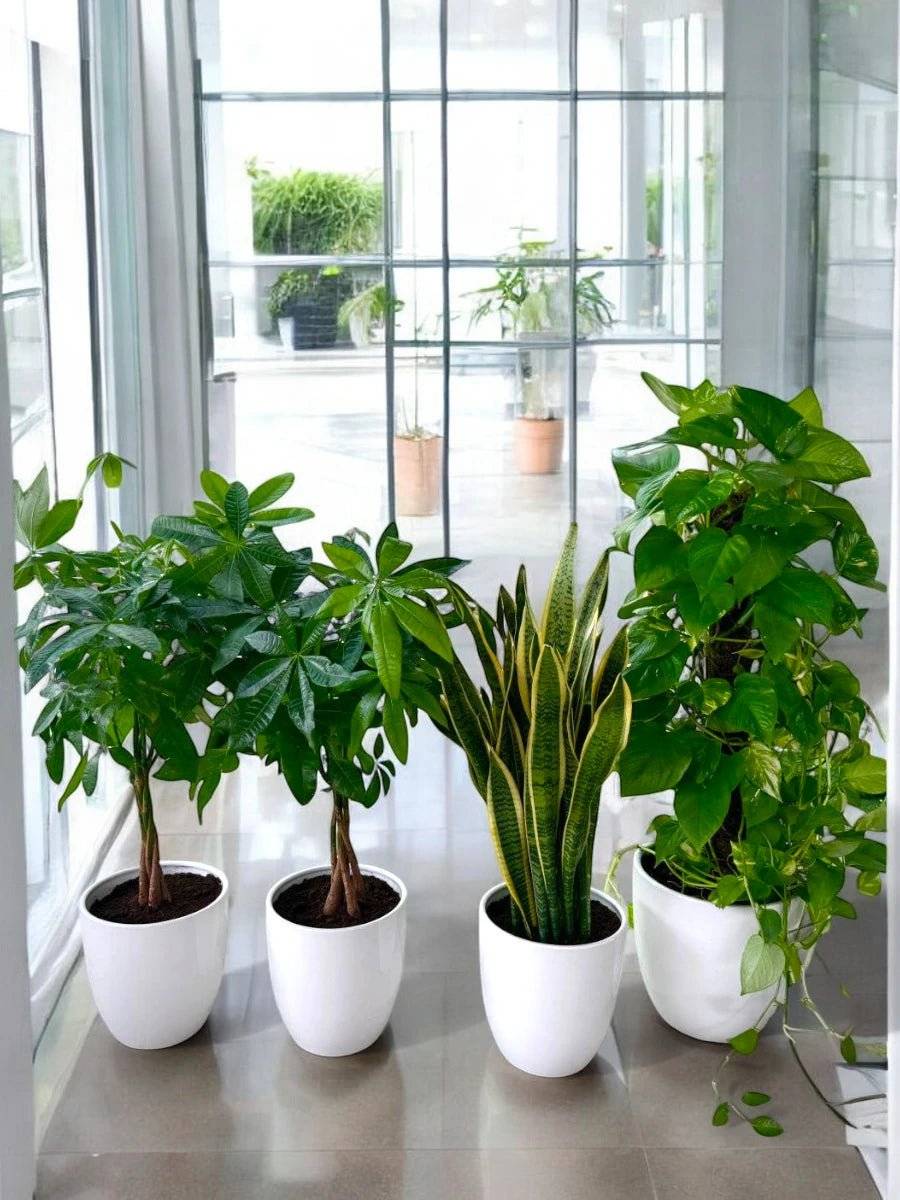

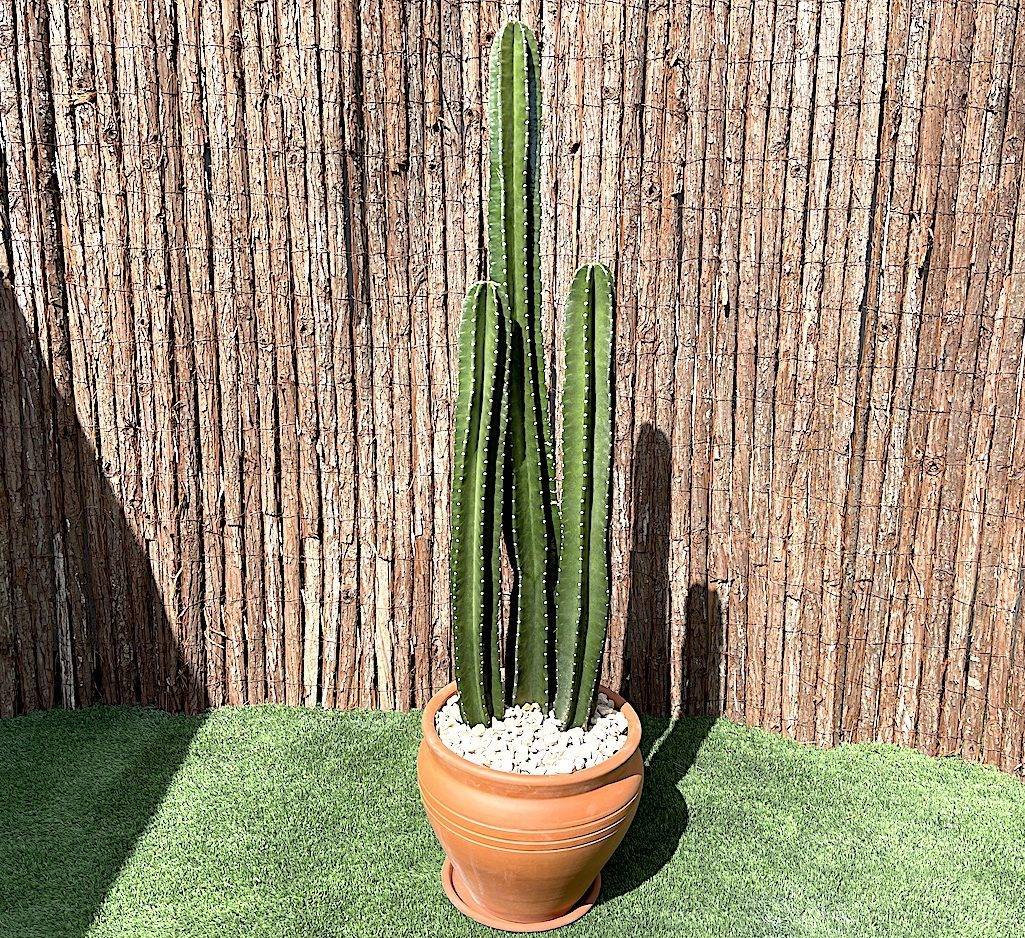
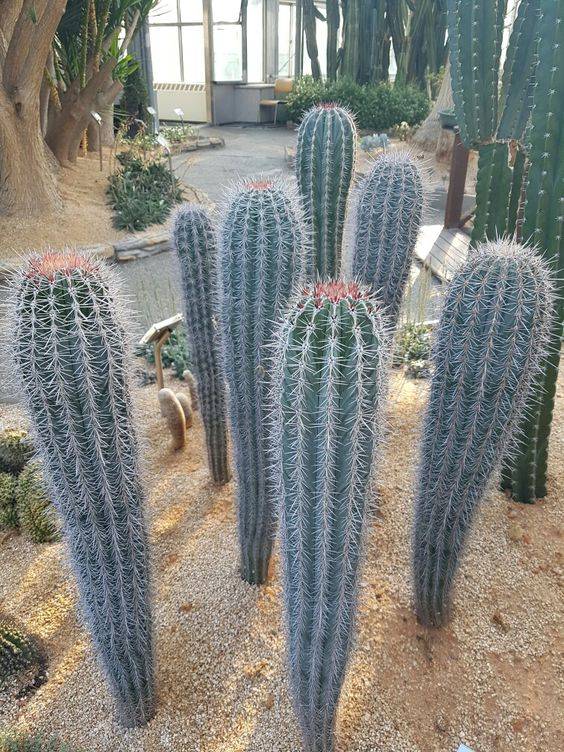
Cereus peruvianus, also known as Peruvian apple cactus or Peruvian torch cactus, is a tall, spreading columnar cactus that is native to South America. It is a perennial treelike stem succulent, often with many upright or slightly curved branches above, often with distinct trunks up to 10 m high (but usually less). The stems are cylindrical, somewhat slender, segmented, grey-green to blue, and 10-20 cm in diameter. The ribs are 9-10, fairly low, rounded, somewhat compressed and undated, to 1 cm high. The areoles are small and widely separated. The spines are extremely variable, often numerous, sometimes absent, grey, needle-like, the longest to 5 cm. The flowers are nocturnal and each flower opens for just one night and then shrivels up. They are white with reddish tips and 12-15 cm long. It is self-incompatible and requires cross-pollination to obtain fruits. During the warm season Cereus peruvianus produces several flower flushes. The fruits are globose to elongate up to 4 cm long and thornless usually red with white pulp, but skin color varies from yellow to deep violet-red. They are known locally as “Pitaya”, “Peruvian Apple” or “Koubo” and are edible.
Dormancy: During the dormant period in winter, you need very little watering and care should only be taken that the cactus substrate does not dry out completely. In winter, you should place the Cereus peruvianus monstrose in a cool place with temperatures around 10°C. Cereus peruvianus monstrose tolerates temperatures as low as 0°C.
Temperature: From late spring to autumn, Cereus peruvianus monstrose adapts to normal ambient temperatures. However, it is important to emphasize that they should not be sown in places with temperatures below 10°C.
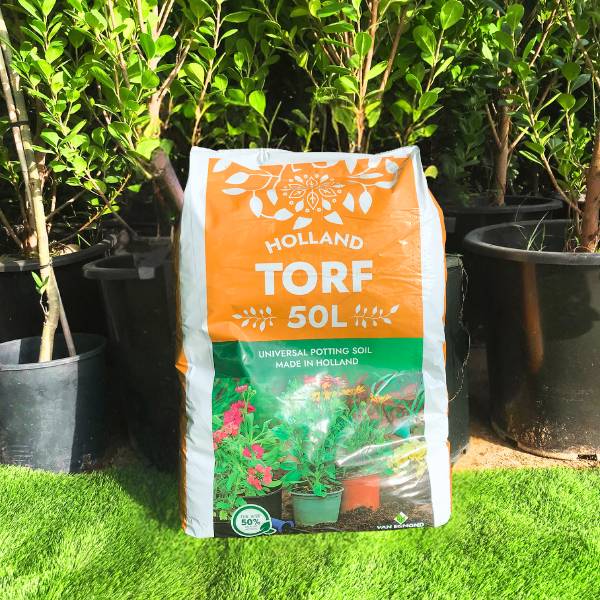
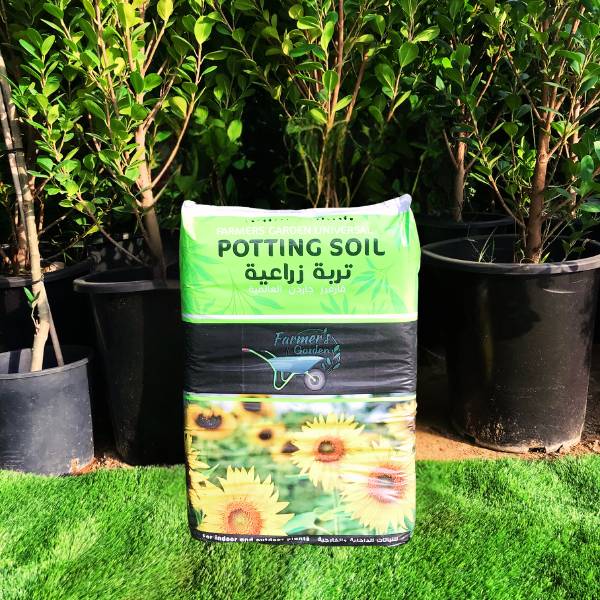
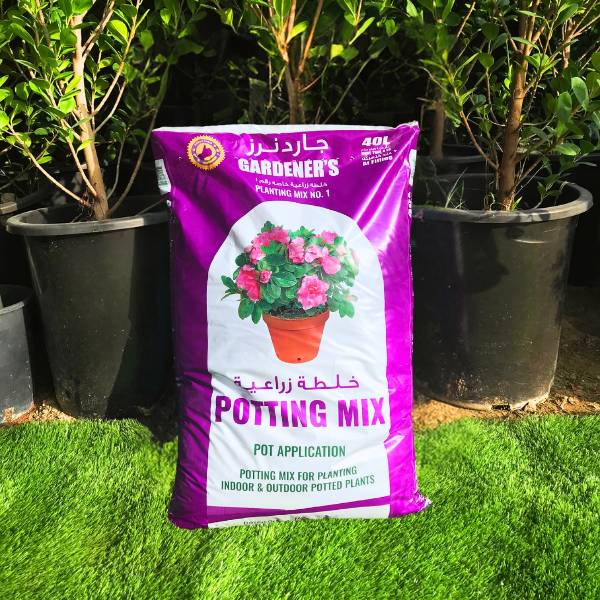
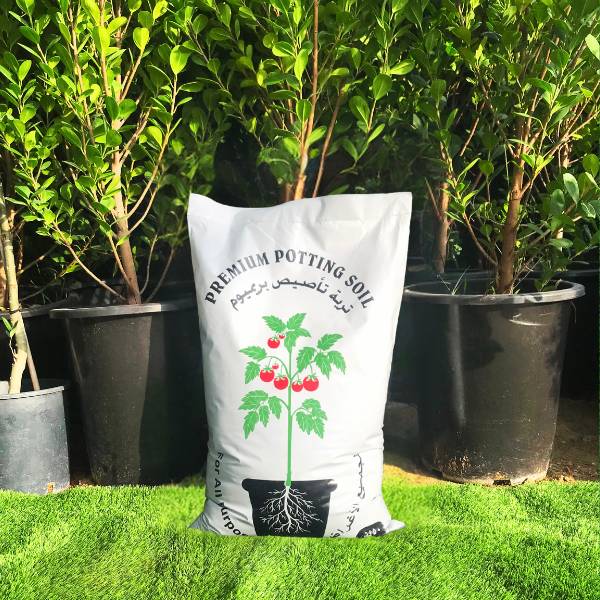
Soil: For the cultivation of these cacti, you can use soil based on compost or peat. For good drainage, one part of sharp sand is added to two parts of this soil.
Fertilization: For optimal growth, fertilize your Cereus peruvianus monstrose with a liquid compost solution every two weeks between spring and summer and suspend it completely in the remaining seasons.
Propagation and Growth: Cereus peruvianus monstrose can be propagated by cuttings or seeds. They grow tall like a tree with gray-green stems with multiple ribs. Many of these stems twist around as they grow.
Repotting: Repotting is necessary when the plant outgrows its container or when the soil becomes depleted of nutrients. It is recommended to repot your Cereus peruvianus monstrose every 2-3 years.
Pests: To maintain the health of the plants, they should be fumigated a couple of times a year to avoid fungi and mealybugs.
Here are some step-by-step instructions for caring for your Cereus peruvianus:
Review
Related products




































Contact Info
- Address: Love gardens LLC , nursery warsan 3, Dubai
- Phone: +971 554899462
- Email: [email protected]