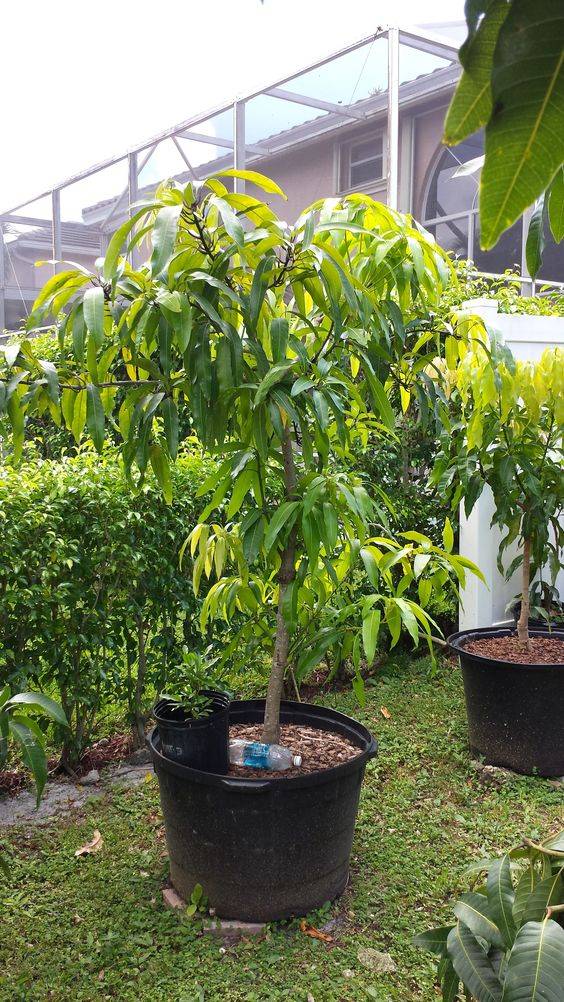
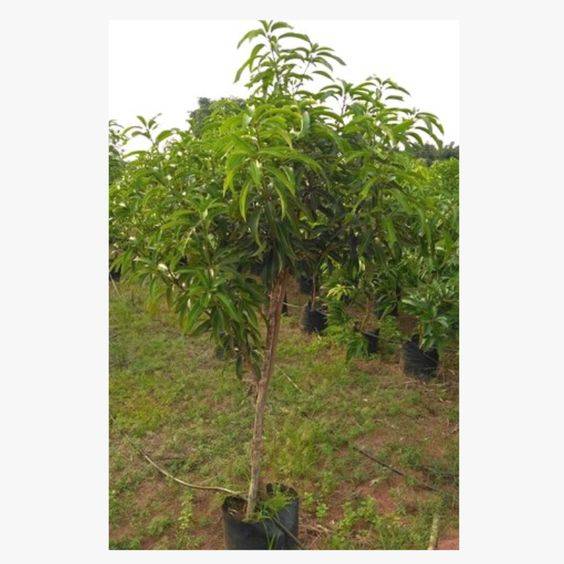
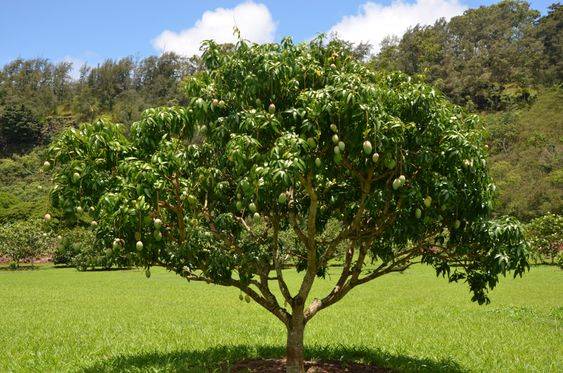
Mangifera indica
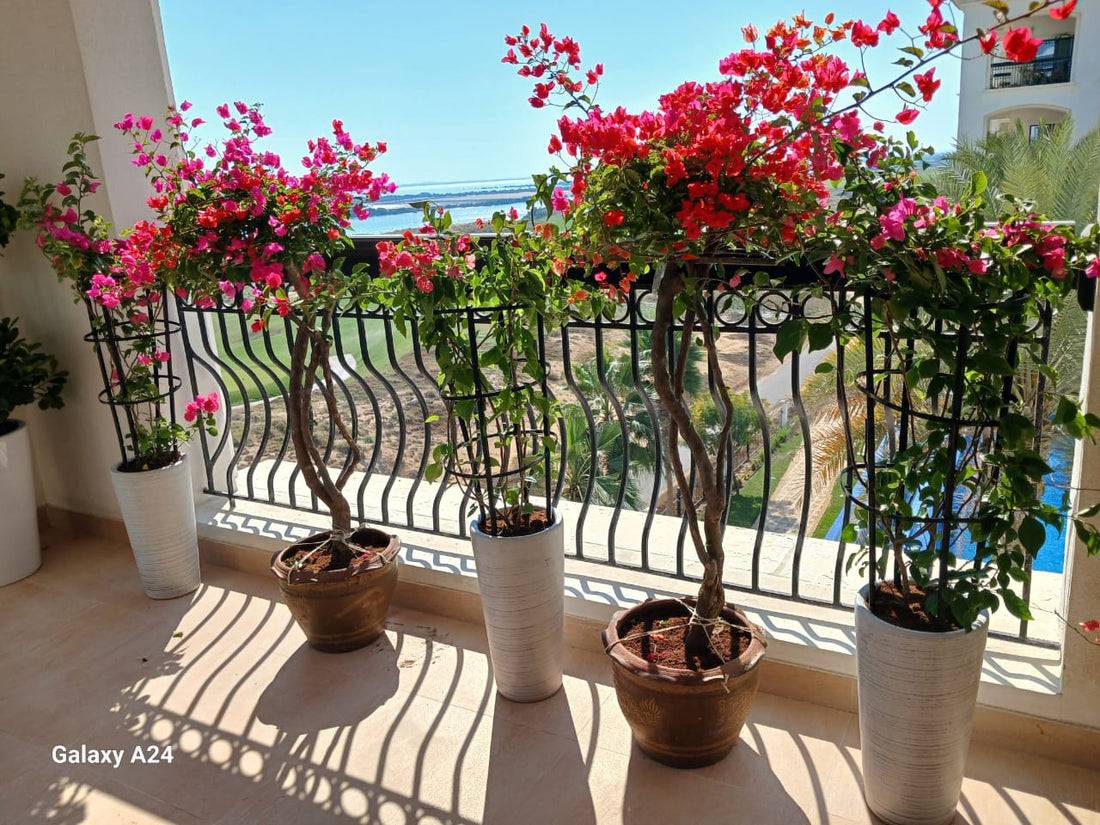
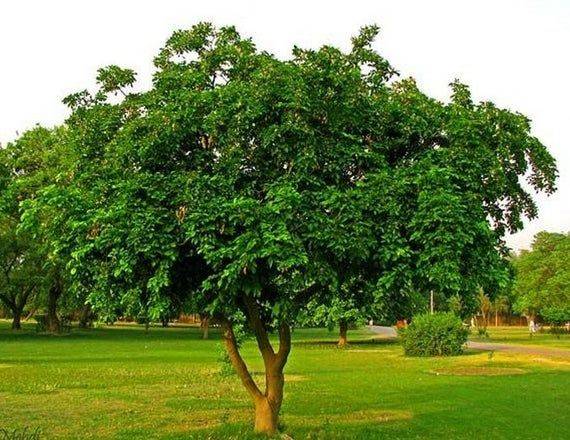
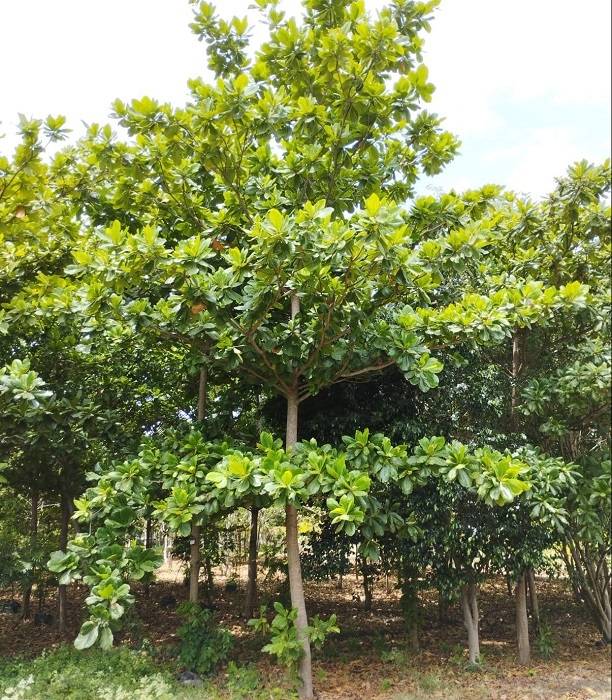
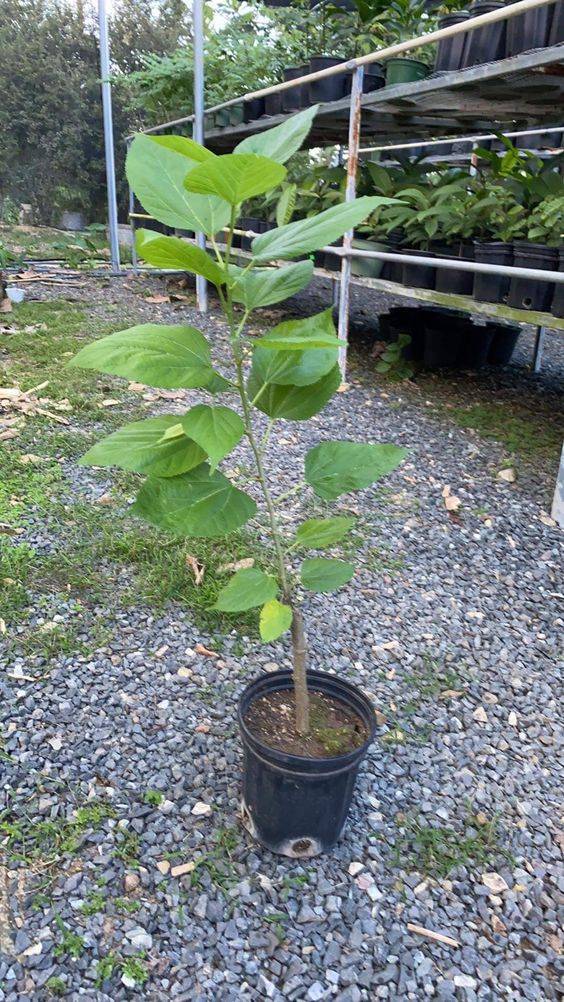
Mangifera indica, commonly known as mango, is a species of flowering plant in the family Anacardiaceae. It is a large fruit tree that can grow up to 30-40 meters tall with a crown radius of 10-15 meters. The tree is evergreen and has an oval, upright, dome-shaped crown and a stout trunk. The leaves are linear-oblong, lanceolate, elliptical, pointed from both sides, and arranged on branches in a spiral pattern. They have a soothing aroma and are dark green and shiny. The flowers are red-yellow and occur in panicles of about 3000 in number. The fruit is a large drupe that can be round, oval, heart-shaped, or kidney-shaped. It is typically 8-12 centimeters long and greenish-yellow in color. The interior flesh is bright orange and soft with a large, flat pit in the middle. Mangoes are typically harvested in April and May. Raw mangoes can be used to make pickles and chutneys while ripe mangoes are a popular fruit throughout the world. The skin and pulp account for 85% of the mango’s weight, while the remaining 15% comes from the stone (seed).
- Watering: Mango trees prefer moist soil but can tolerate periods of drought. Water the plant regularly during the growing season and reduce watering during winter.
- Fertilizing: Fertilize the plant with a balanced fertilizer once every 2-3 months during the growing season.
- Pruning: Prune the plant to maintain its shape and size. Pruning also encourages new growth and flowering.
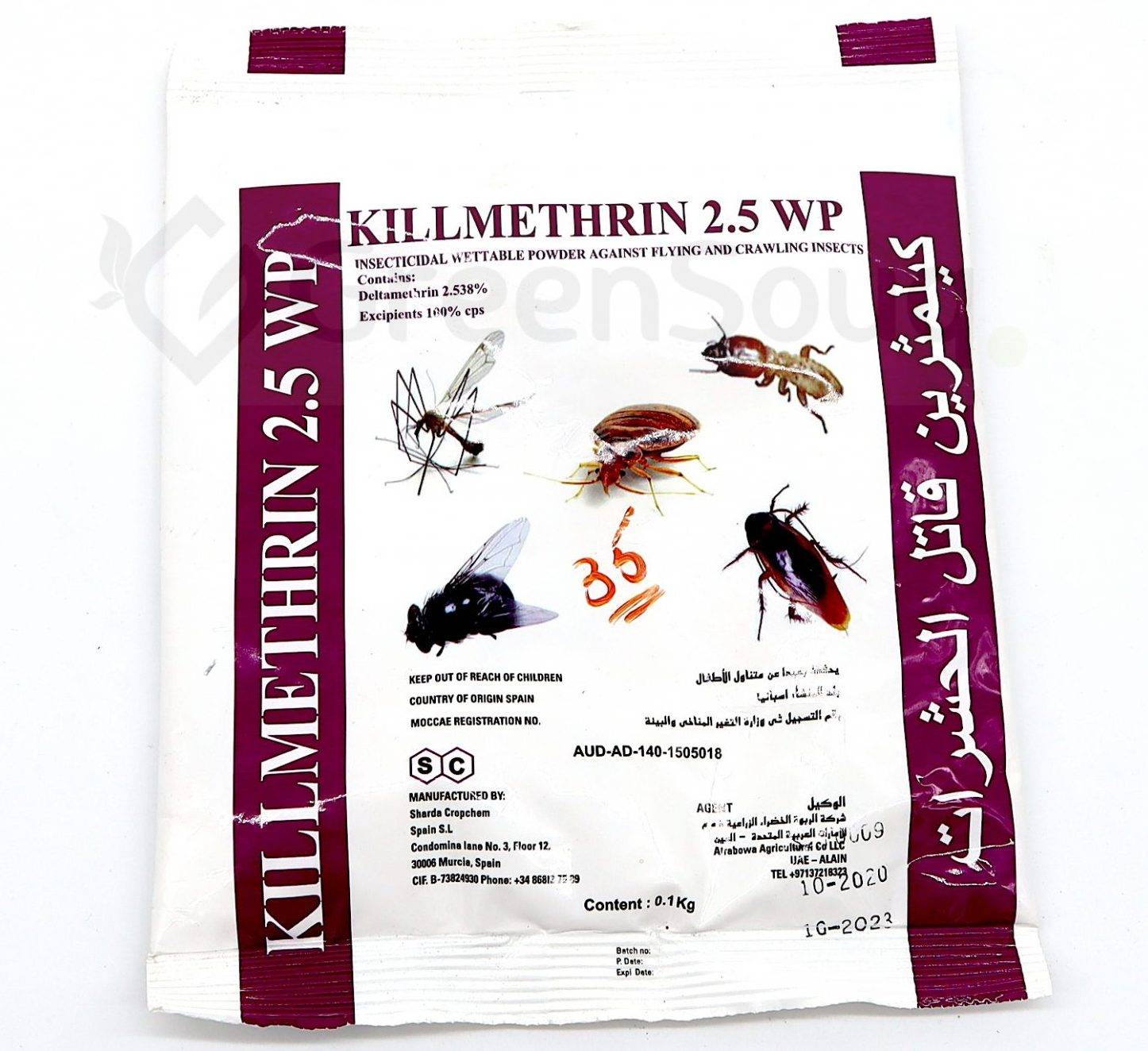
- Pest control: Mango trees are generally pest-resistant but can be affected by mealybugs, scale insects, and spider mites. Use insecticidal soap or neem oil to control pests.
Here are some tips for caring for Mangifera indica:
Review
Related products






Contact Info
- Address: Love gardens LLC , nursery warsan 3, Dubai
- Phone: +971 554899462
- Email: [email protected]