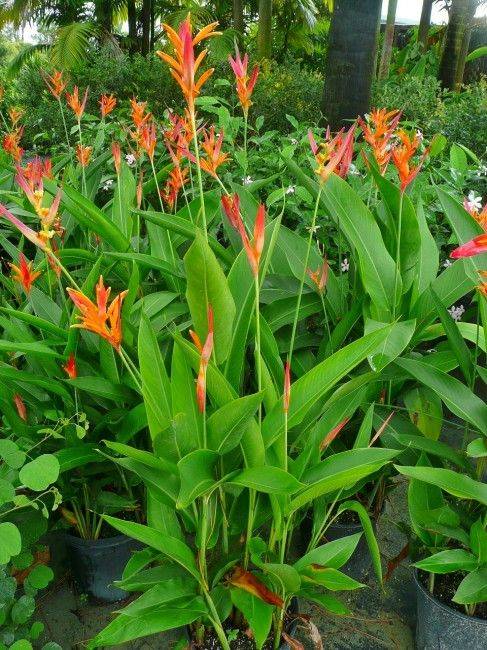

Heliconia Psittacorum (Parrot’s beak)

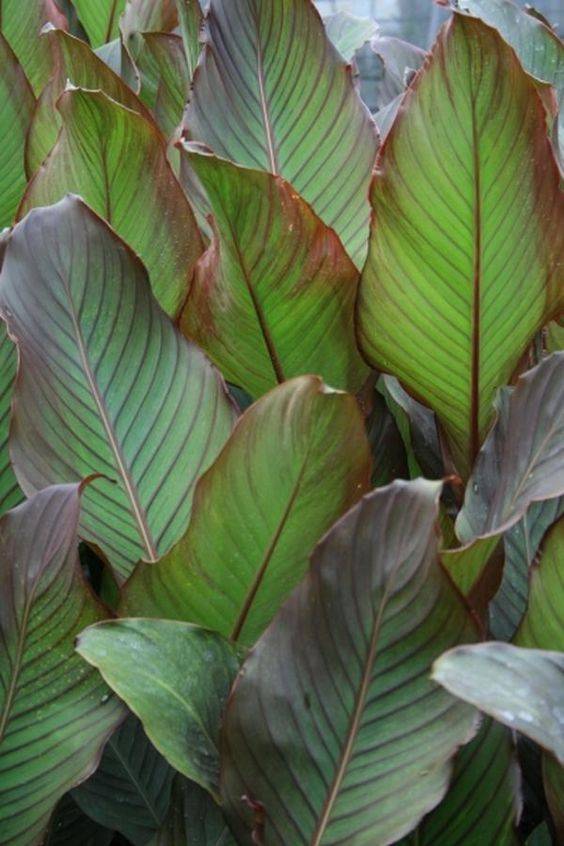
Heliconia psittacorum, also known as parrot’s beak, parakeet flower, parrot’s flower, parrot’s plantain, false bird-of-paradise, or lobster claw, is an erect, evergreen perennial forming dense tufts of lanceolate, bright intense green leaves adorned with prominent central nervation and pointed tips. The pseudostems (formed by the leaf sheaths) emerge from underground rhizomes. The inflorescence, or cluster of flowers, are quite distinctive and range in colorful hues of red, orange, yellow, and green. The inflorescence consists of brightly colored, waxy bracts (special leaves at the base of flowers) arranged alternately on the stem that encloses and protect small flowers. Parrot Heliconia has no particular blooming season and produce inflorescences all year long. The flowers produce an abundance of nectar and the color, shape, and curve of the flowers are adapted to hummingbirds. They are followed by fleshy, rounded, dark blue fruits. Great for tropical gardens, the blossoms last for weeks and are excellent in flower arrangements. Grows up to 3-6 ft. tall (90-180 cm) and 2-3 ft. wide (60-90 cm). Performs best in full sun or slight shade in humus-rich, constantly moist, acidic or neutral, well-drained soils. Watering must be regular and abundant in summer, letting the soil to partially dry up before watering again. Fertilize this plant in spring-summer. Protect from strong winds. Keep an eye out for mites and mealy bugs. Propagate by seed or by division of the rhizomes in spring. Native to Bolivia, Brazil, Colombia, French Guyana, Guyana, Panama, Surinam, Trinidad and Tobago and Venezuela.
Light: Heliconia Psittacorum needs bright but indirect light. Exposure to this level of light is needed for at least 4 to 6 hours per day. Too much direct sunlight will scorch the plant’s leaves. Not enough sun will result in its dull or plain foliage.
Soil: The plant prefers well-draining, light and fertile soil that should be slightly acidic (pH 6.0 to 6.5) and should be amended with organic matter or compost prior to planting.
Water: Keep the soil moist but not waterlogged. Water the plant when the top inch of soil feels dry to the touch.
Humidity: Humidity is important and should be no lower than 40%.
Temperature: Temperatures should be kept between 60℉ and 85℉ (15℃ and 29℃).
Fertilizer: Add fertilizer for blooming in the moment that the bulb starts to grow after blooming add fertilizer for growing leaves; it will make the bulb stronger.
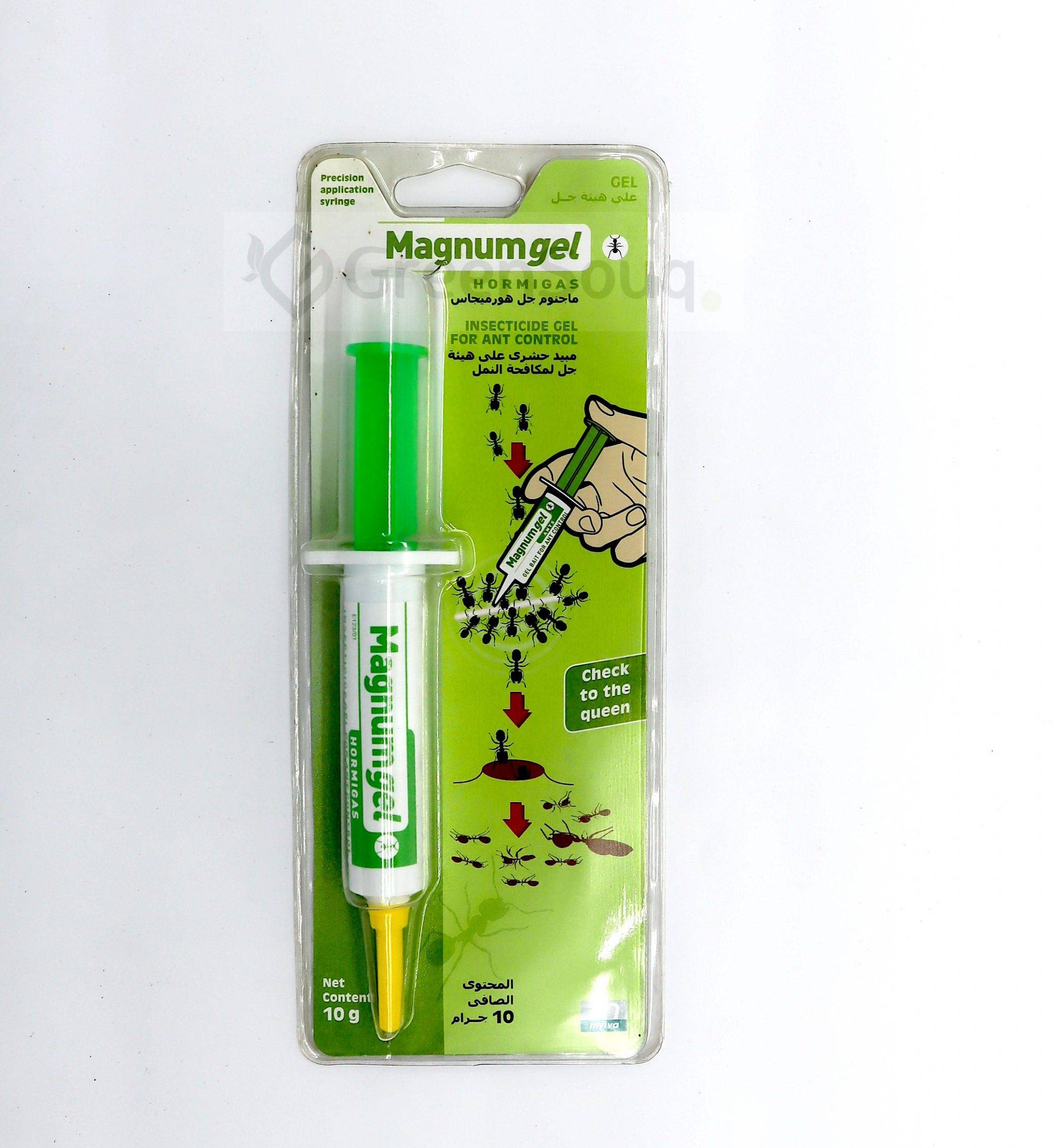
Pests: Check your plant regularly for signs of infestation and treat with an insecticide if necessary.
Here are some step-by-step instructions for taking care of Heliconia Psittacorum:
Review
Related products







Contact Info
- Address: Love gardens LLC , nursery warsan 3, Dubai
- Phone: +971 554899462
- Email: [email protected]