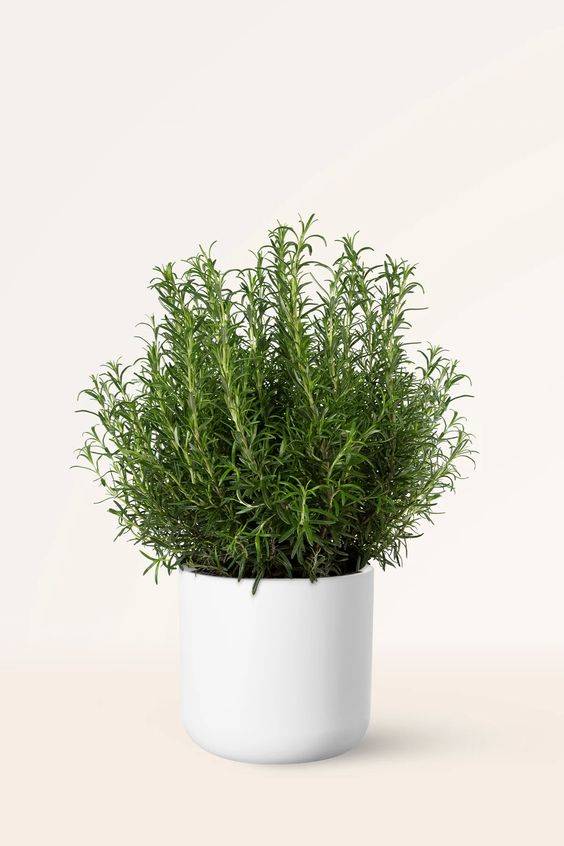
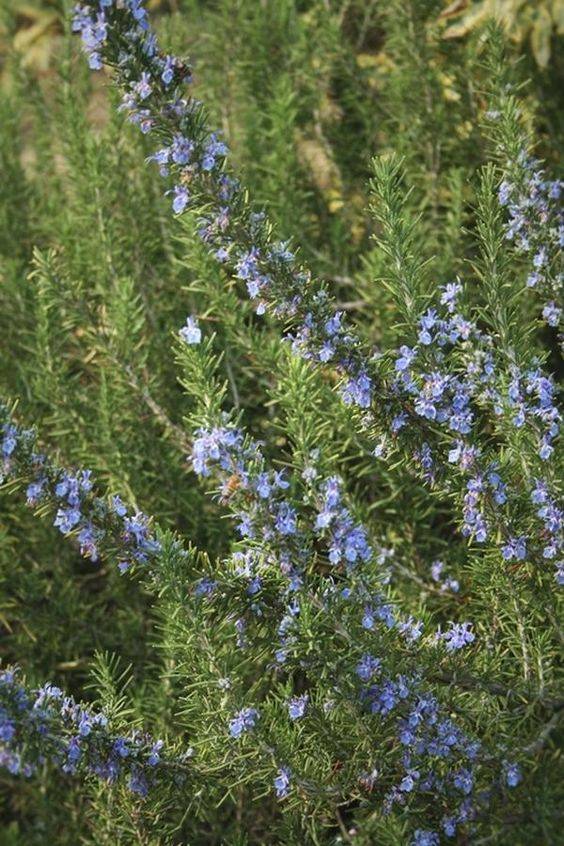

Rosmarinus officialis





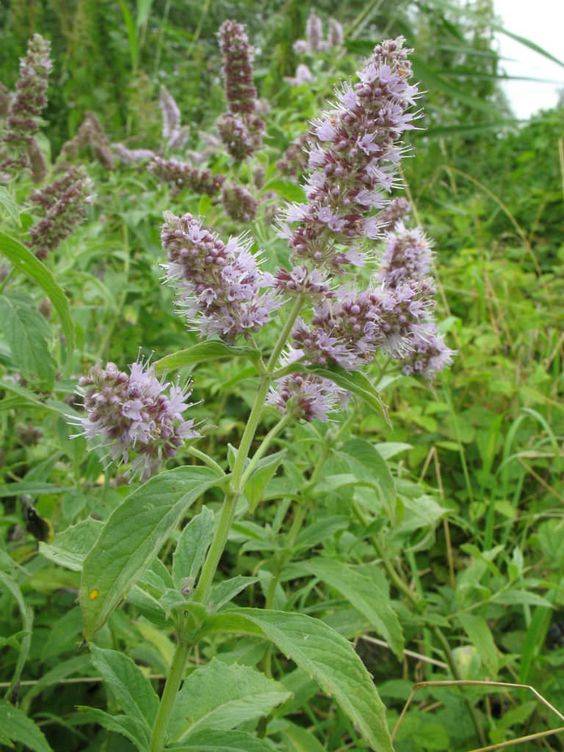
Rosmarinus officinalis, commonly known as rosemary, is a small evergreen plant of the mint family (Lamiaceae) that is native to the Mediterranean region. The leaves of the plant are used to flavor foods and have a pungent, slightly bitter taste. Dried or fresh, they are generally used to season a variety of foods. The plant is usually erect in growth habit and possesses branched woody stems with tufts of leaves. The leaves are opposite and usually bladelike and glossy green. Rosemary plants prefer full sunlight to grow well and produce fruit. That means it should get at least six hours of direct sun on most days. A plant grown in conditions that are too shady might never bear fruit.
Exposure/Light: Rosemary plants prefer full sunlight to grow well and produce fruit. That means it should get at least six hours of direct sun on most days. A plant grown in conditions that are too shady might never bear fruit.
Watering: Rosemary plants have low to average water needs. Water them when it’s dry or almost dry. Be sure to let the water drain through the pot, and if there’s a saucer under it, don’t let it sit in any built-up water. Depending on how warm and bright your house is, watering might be every 10-21 days.
Temperature: Rosemary plants grow best in regions with a pronounced change in season. They will grow best at temperatures between 12.8 and 37.8°C (55–100°F) during the growing season and 1.7 to 10°C (35–50°F) during dormancy.
Humidity: Rosemary plants prefer moderate humidity levels between 40% and 60%. If your home is dry, you can increase humidity by placing a tray of water near the plant or using a humidifier.
Fertilizer: To keep your rosemary plant happiest, fertilize in spring and summer with a slow-release granular fertilizer formulated for houseplants. Follow the instructions on the product packaging for application rates.
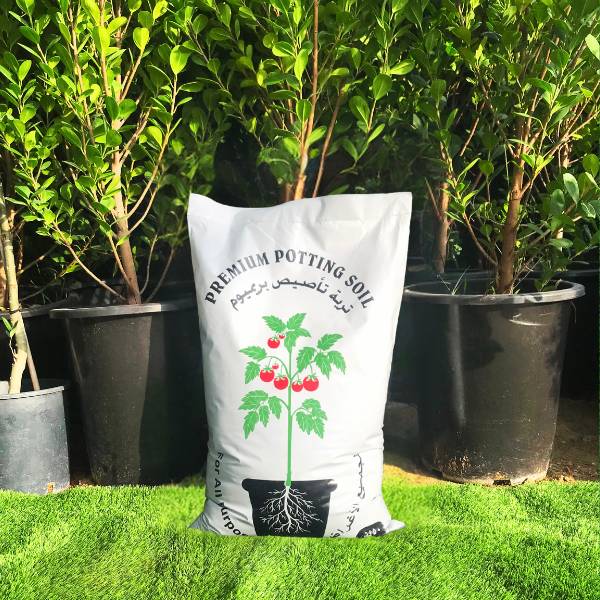
Soil / Repotting: Rosemary plants grow best when planted in nutrient-rich soil with excellent drainage. They are not overly picky about soil pH, though they grow best in slightly acidic soil. Repotting should be done every two years or so, or when roots start to grow out of the drainage holes at the bottom of the pot.
Pruning: Rosemary plants typically don’t need pruning, except to remove old leaves as they age out
Propagation: Rosemary plants can be propagated by division or by rooting stem cuttings in water or soil.
Pests: Common pests that affect rosemary plants include spider mites, scale insects, mealybugs, aphids, and whiteflies. Keep an eye out for these pests and treat them promptly if you notice any signs of infestation.
Pet Safety: Rosemary is not toxic to pets such as cats and dogs.
Here are some step-by-step instructions for caring for rosemary plants:
Review
Related products


































































































































































































Contact Info
- Address: Love gardens LLC , nursery warsan 3, Dubai
- Phone: +971 554899462
- Email: [email protected]