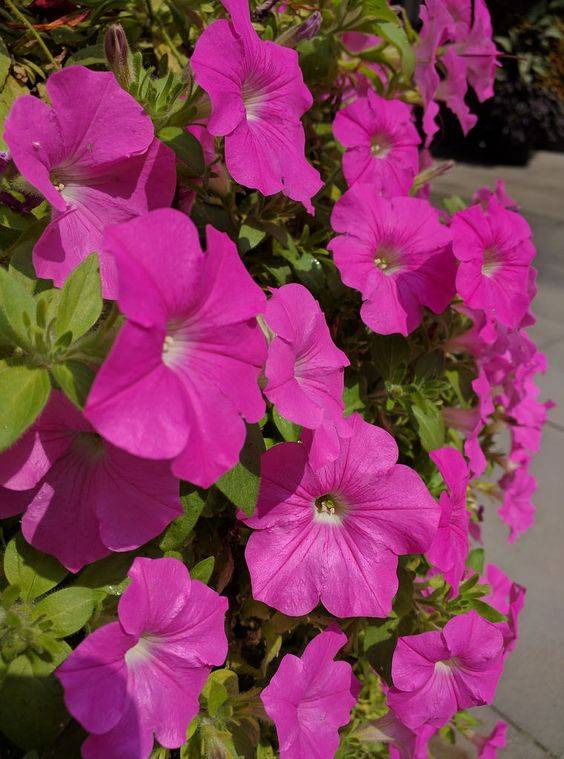
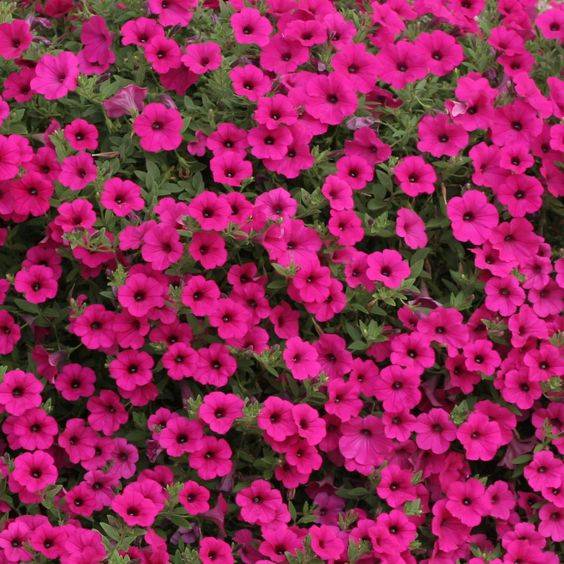
Petunias
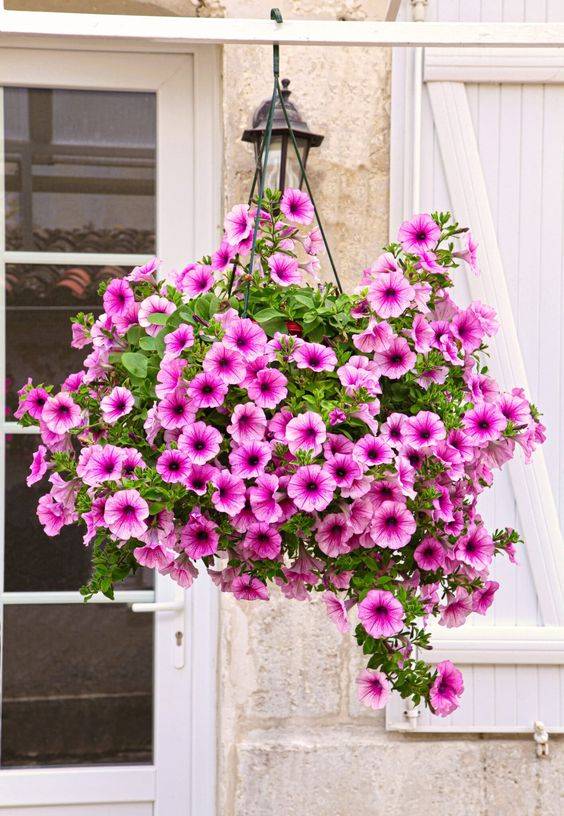
Petunias are a genus of flowering plants native to South America. The name “petunia” is derived from the French word “pétun,” which means tobacco, and was taken from a Tupi-Guarani language. Most of the varieties seen in gardens are hybrids, and the popular flower of the same name is a hybrid as well. Petunias are generally insect-pollinated, with the exception of P. exserta, which is a rare, red-flowered, hummingbird-pollinated species. They are low-growing, bushy to spreading tender perennials usually grown as annuals. Their soft, thick leaves are slightly sticky to the touch. Trumpet-shaped flowers have a single set of plain-edged petals or can be doubled, ruffled, or fringed and come in colors from light pink through dark red and pale blue through deep purple. Petunias can tolerate relatively harsh conditions and hot climates but not frost. They need at least five hours of sunlight every day and flourish in moist soil and conditions of low atmospheric humidity. They are best grown from seed. Watering once a week should be sufficient in most regions. Hanging baskets and other containers need more frequent watering.
Planting: Petunias are best grown from seed. They need at least five hours of sunlight every day and flourish in moist soil and conditions of low atmospheric humidity. Plant them in well-draining soil and water them once a week, which should be sufficient in most regions.
Watering: Petunias require regular watering throughout the growing season (spring to fall). They need at least an inch or two of water every seven to ten days. If the rain doesn’t provide it, you should.
Fertilizing: To stay healthy during the months-long blooming marathon, petunias need a dose of diluted liquid fertilizer, provided once every month or so while they’re flowering. Select a balanced product (10-10-10 NPK).
Pruning: Prune petunias regularly to encourage bushy growth and more flowers. Deadheading spent blooms is also important to keep the plant looking tidy and to encourage more blooms.
Propagation: Petunias can be propagated by stem cuttings taken in late summer or early fall. Trim off a healthy portion of stem that’s around 6 inches long. Opt for a green, supple stem over one that’s older and… Remove foliage from the bottom half of the stem. Dip the cut end in rooting hormone. Plant the stem in a small container filled with moistened soilless potting mix.
Here are some step-by-step instructions for taking care of petunias:
Review
Related products


















Contact Info
- Address: Love gardens LLC , nursery warsan 3, Dubai
- Phone: +971 554899462
- Email: [email protected]