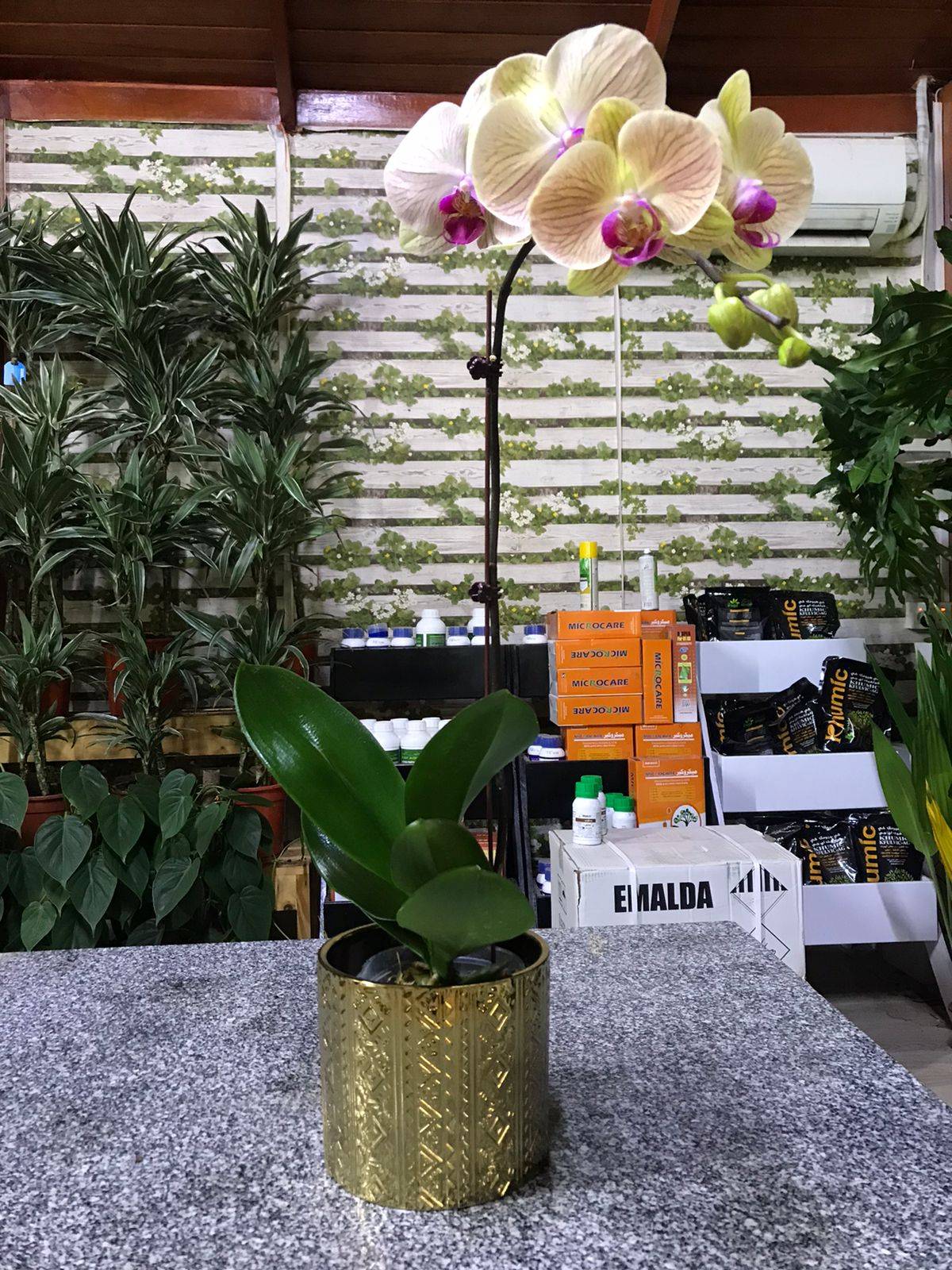
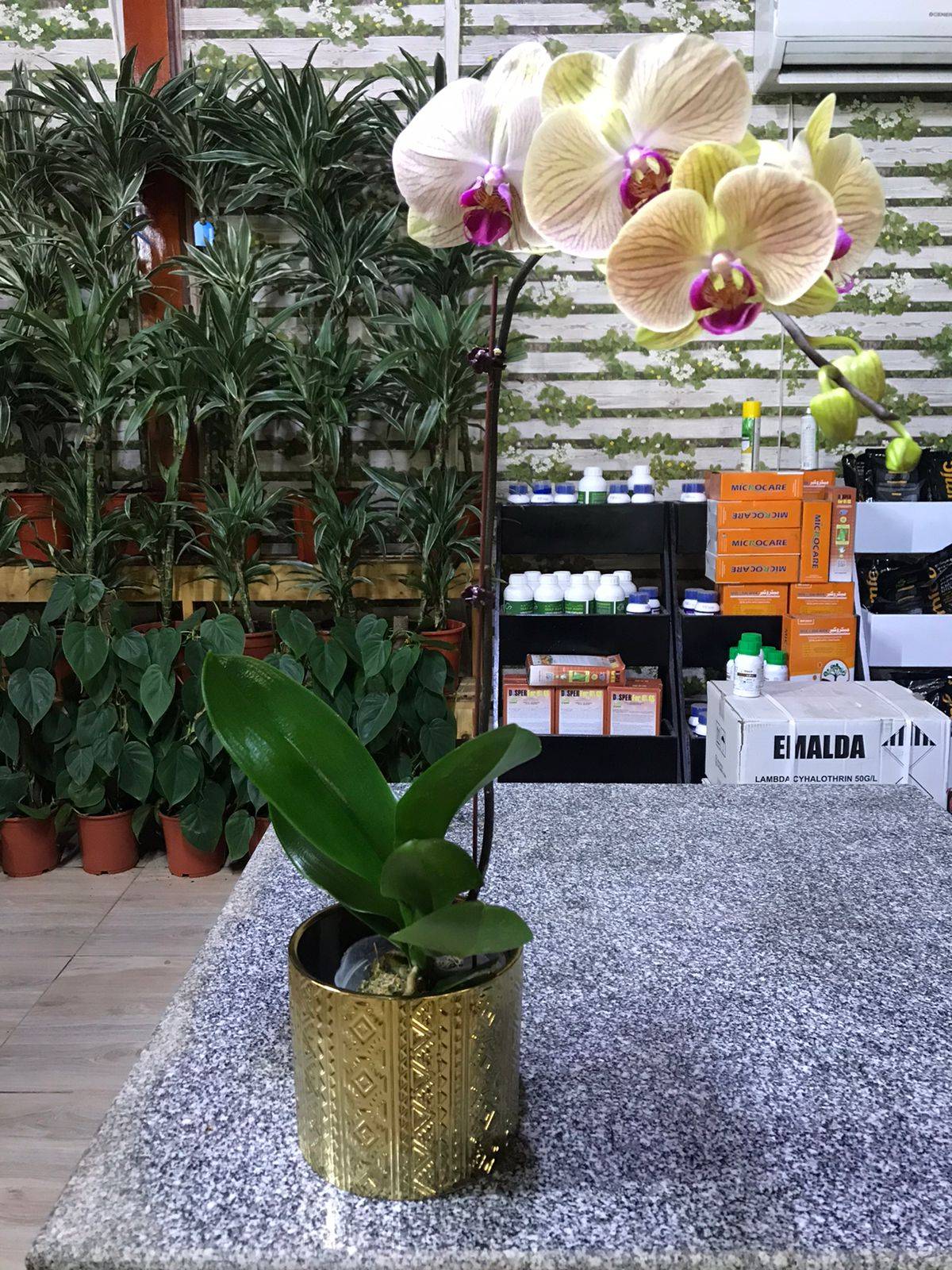
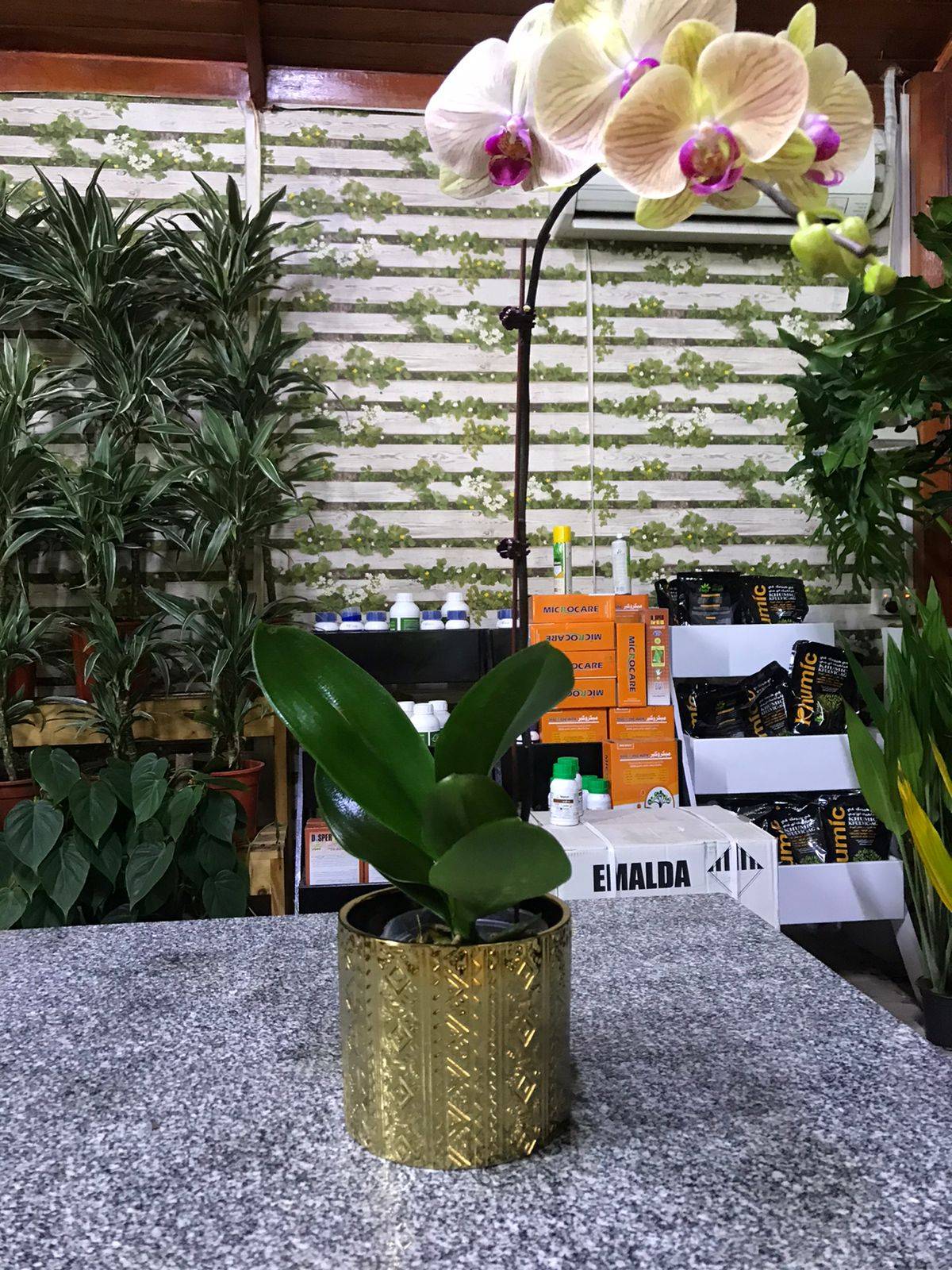
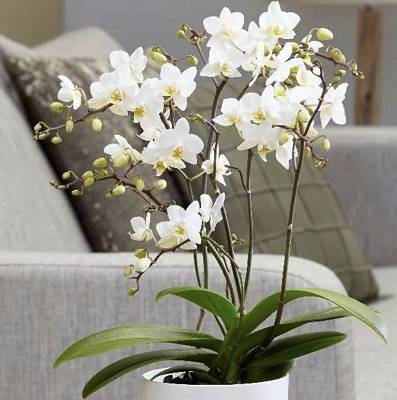
Orchid Phalaenopsis (Single Spike)




Phalaenopsis is a genus of about seventy species of orchids that are native to tropical regions of Asia and Australia. They are epiphytes, which means they grow on trees or rocks, and don’t need soil to grow. Phalaenopsis orchids are also known as moth orchids because their flowers resemble moths in flight. These orchids are popular houseplants because they are easy to care for and produce long-lasting flowers. The flowers are flat and arranged in a flowering stem that often branches near the end. A single multi-branching flower spike can have more than 20 flowers, and individual flowers can last for weeks. The flower stalks of these orchids grow from leaf joints, or axils, and often bear multiple flower buds, which can bloom for a month or more when properly cared for. To grow Phalaenopsis orchids indoors, it’s best to mimic their natural environment. They require good lighting but direct sunlight will scorch the leaves. During the winter, however, you can place the orchid in a south-facing or east-facing window that gets some direct light. Successful growth means finding the right balance between humidity, temperature, light, and airflow. Phalaenopsis orchids are not temperamental when grown indoors and under the right conditions, they will reward you with showy blooms for months.
- Lighting: Phalaenopsis orchids require good lighting but direct sunlight will scorch the leaves. During the winter, however, you can place the orchid in a south-facing or east-facing window that gets some direct light.
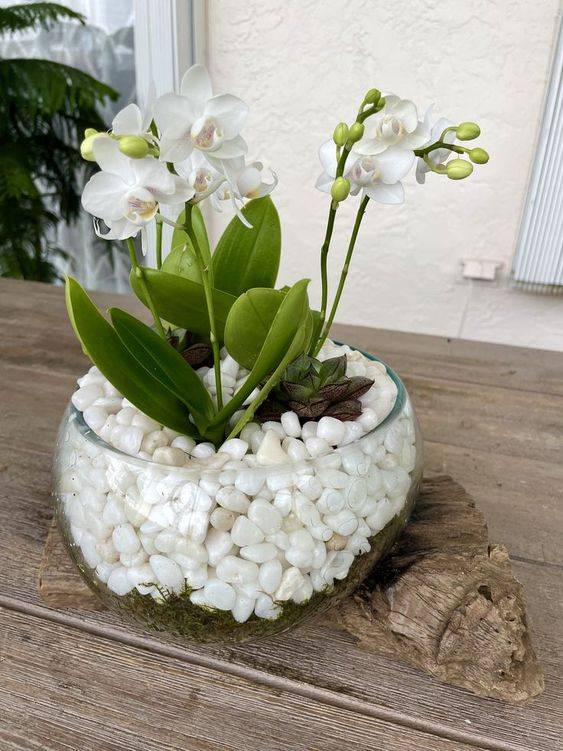
- Temperature and Humidity: Phalaenopsis orchids prefer temperatures between 75 and 85 degrees Fahrenheit. They also require high humidity, which can be achieved by placing the pot on a tray of pebbles filled with water.
- Watering: Water your orchid infrequently, being guided by the plant, rather than watering on a schedule. Only water the roots and avoid getting water on the leaves and flowers. Use a well-draining pot and growing media and never let your orchid sit in water for more than a few minutes.
- Fertilizing: During the growing season (summer), fertilize your orchid with a diluted orchid fertilizer every third or fourth week.
Phalaenopsis orchids are a popular choice for indoor plants because they are easy to care for and produce long-lasting flowers. Here are some tips for caring for your Phalaenopsis orchid:
Review
Related products















































































Contact Info
- Address: Love gardens LLC , nursery warsan 3, Dubai
- Phone: +971 554899462
- Email: [email protected]