Terminalia catappa
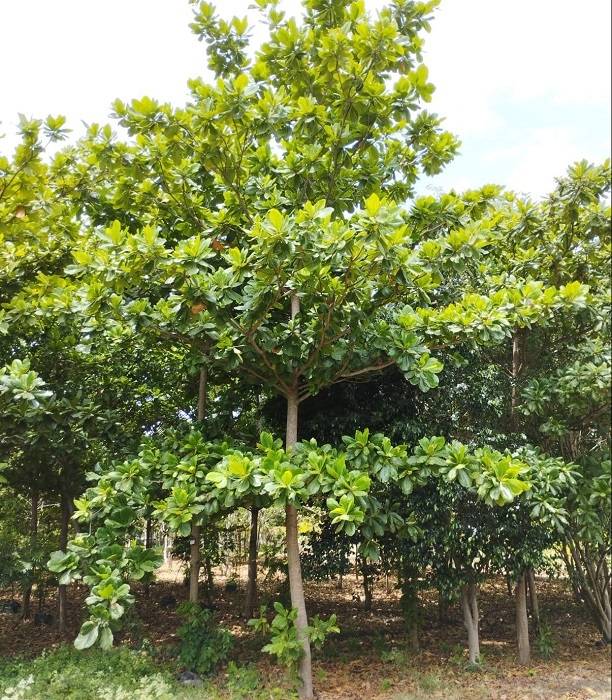
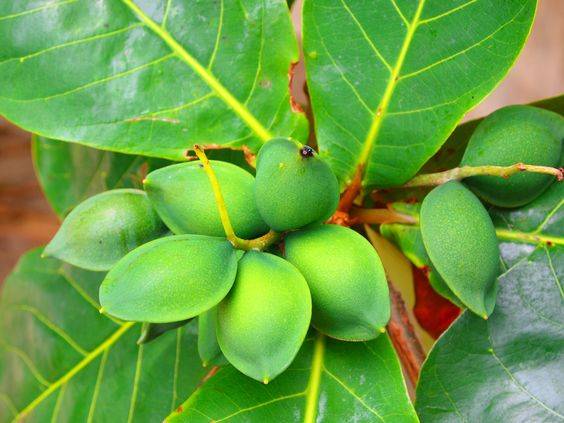
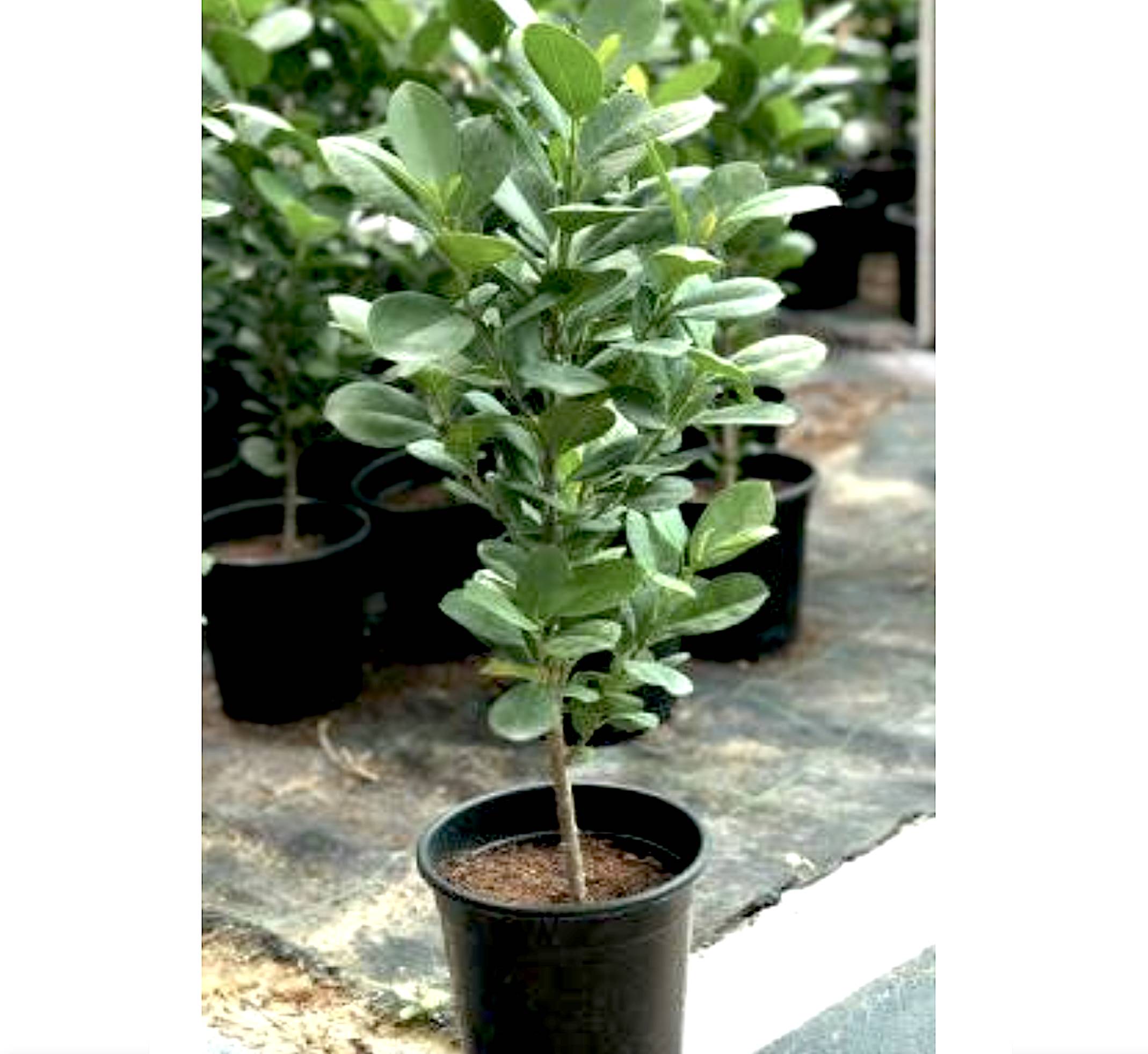
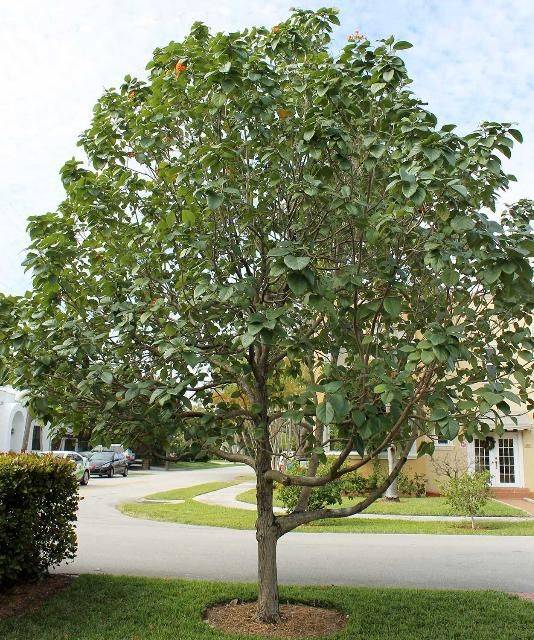
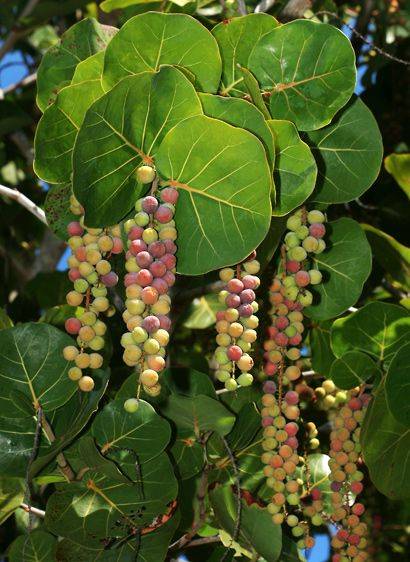
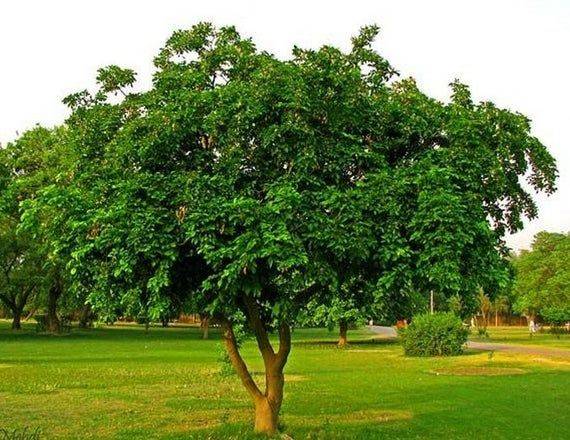
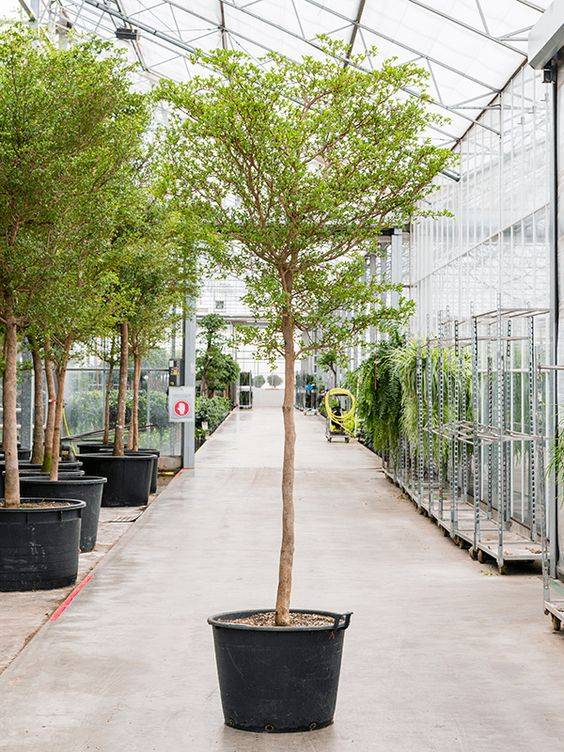
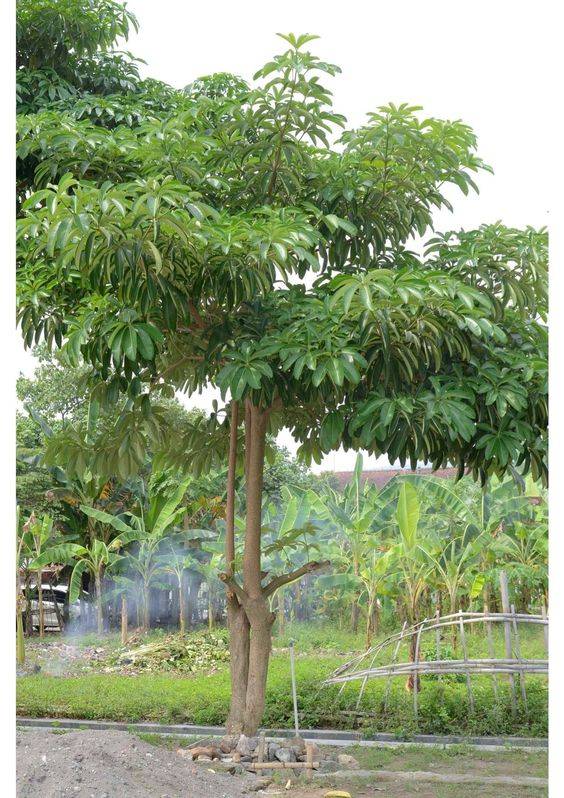
Terminalia catappa is a large deciduous tropical tree that belongs to the leadwood tree family, Combretaceae. It is native to Asia, Australia, the Pacific, Madagascar, and Seychelles. The tree can grow up to 35 meters tall with a spreading crown featuring horizontal branching in tiers. The leaves are large, ovoid, glossy dark green, and leathery. They are dry-season deciduous and turn pinkish-reddish or yellow-brown before falling due to pigments such as violaxanthin, lutein, and zeaxanthin. The fruit is a drupe that is green at first, then yellow and finally red when ripe. It contains a single seed that germinates into the largest pair of foliar cotyledons of any plant. Common names in English include country almond, Indian almond, Malabar almond, sea almond, tropical almond, beach almond and false kamani.
Light: Terminalia catappa thrives in full sun, but it can also grow in partial shade.
Water: Water the plant every 1-2 weeks with a well-draining soil and moderate watering. It originates from tropical coastal habitats that experience seasonal rainfall. Be mindful of overwatering and adjust as needed during wetter and drier seasons.
Fertilizer: Feed the plant with a balanced liquid fertilizer monthly when it is actively growing. It is not necessary to feed the plant during winter and fall.
Temperature: Terminalia catappa is native to warm regions, thriving in temperatures between 68 to 105 ℉ (20 to 41 ℃). It prefers warm and humid climates, and can tolerate little to no frost or freezing temperatures. During cooler months, it’s important to ensure that the tree is protected from cold winds and temperatures.
Humidity: Terminalia catappa prefers medium humidity but still grows well in basic household humidity.
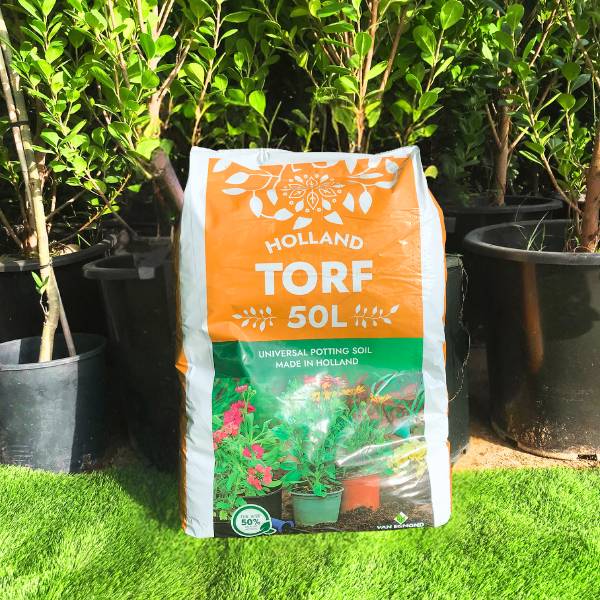
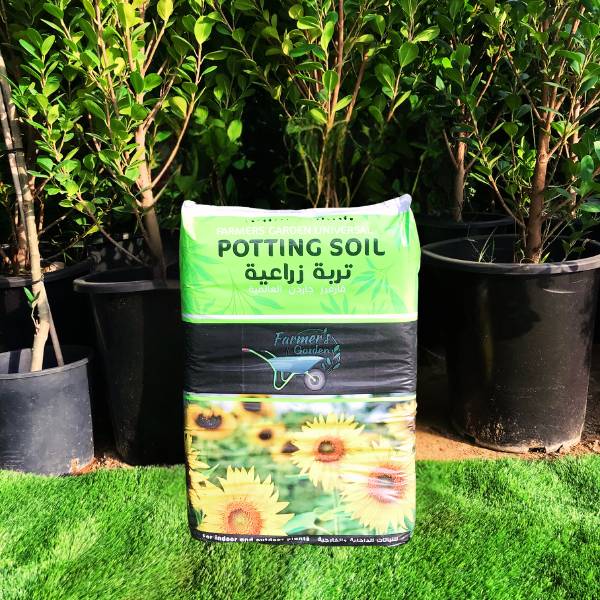
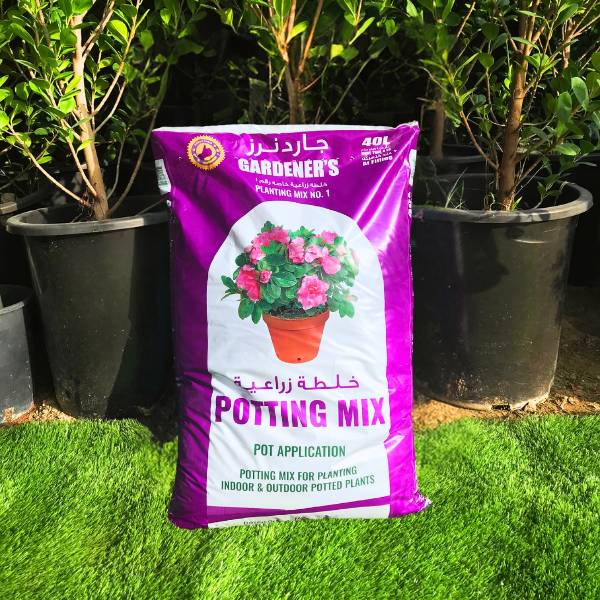
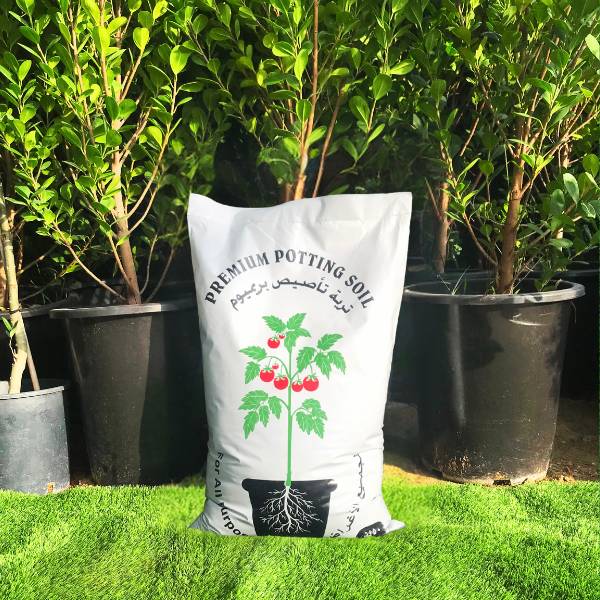
Soil: Use a well-draining soil that is rich in organic matter.
Pot Size: The roots of Terminalia catappa grow very slowly, so don’t be in a rush to move the plant to a larger pot. If the roots are coming out of the drainage holes, then it is time to repot it.
Here are some step-by-step instructions for taking care of your Terminalia catappa: Please note that these are general guidelines and your plant’s specific needs may vary depending on factors such as humidity, temperature, and light conditions.
Review
Related products










Contact Info
- Address: Love gardens LLC , nursery warsan 3, Dubai
- Phone: +971 554899462
- Email: [email protected]