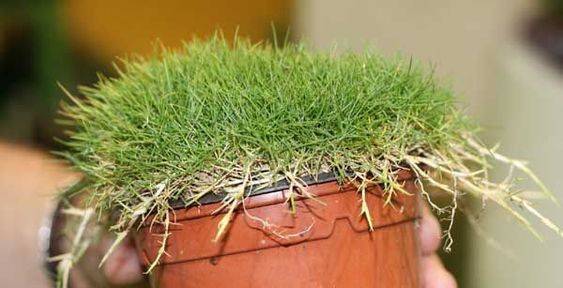
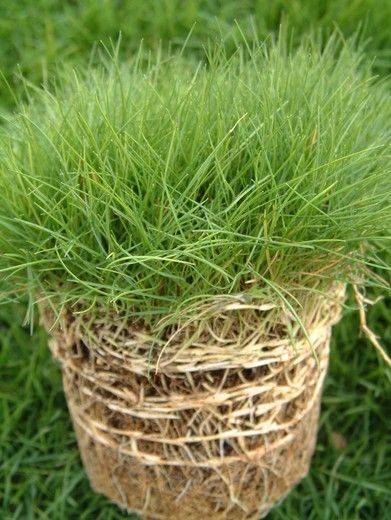
Zoysia Japonica
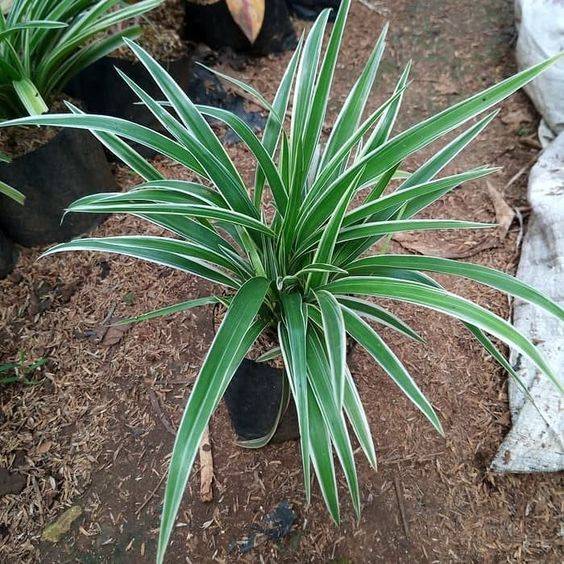
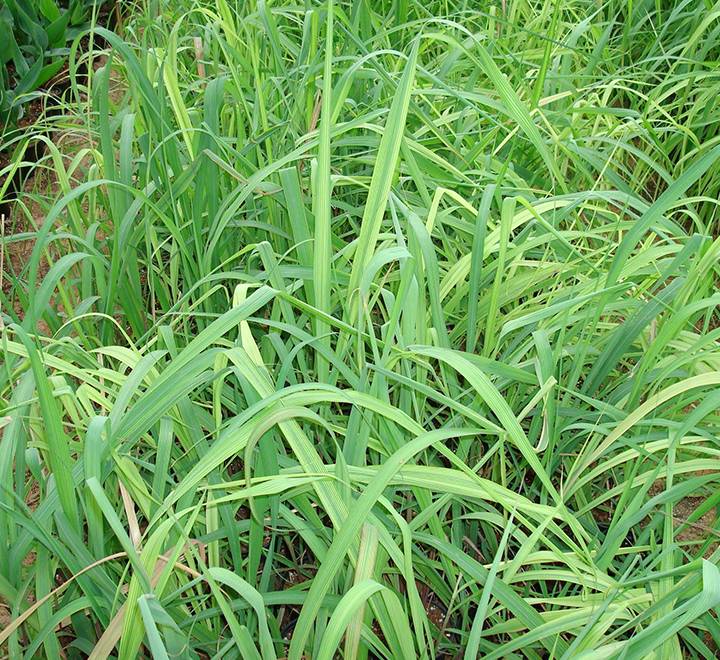
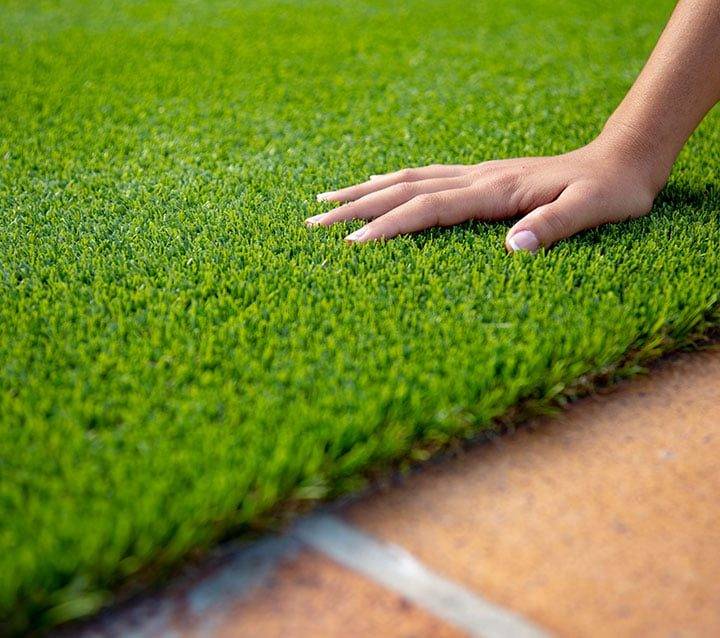
Zoysia japonica, commonly known as Korean lawngrass, zoysia grass or Japanese lawngrass, is a species of creeping, mat-forming, short perennial grass that grows by both rhizomes and stolons. It is native to the coastal grasslands of southeast Asia and Indonesia. Zoysia japonica has smooth, stiff, vertical leaf blades that roll in the bud. It grows to around 0.5 millimeters in width, and is hairy near the base and exhibits short inflorescences. The pedicles grow to about 1.75 millimeters, while the ascending culm internodes measure to roughly 14 millimeters long. Zoysia japonica has a very coarse texture, compared to others of its genus. Its high tolerance to drought, freezing temperatures, salt, and shade make for a favorable lawn grass . An adventitious root system grounds the grass. When exposed to prolonged drought, it easily adapts by developing deeper rooting systems. Although it is tolerant to freezing temperatures, it does lose its bright green color, turning brown after frost. Zoysia japonica needs a humid climate to survive. It does well in cool temperate zones, transition zones, and warm temperate or marine zones. In the United States, it is cultivated south of Connecticut, along the Atlantic Coast, and along the Gulf Coast to Texas. In Australia, it is cultivated along the northeastern coastline. Although Z. japonica is one of the only Zoysia species that can be seeded, it has a lengthy germination rate of at least a month, so vegetative planting is the primary form of cultivation. Z. japonica seeds require a moist environment and a temperature of at least 70 °F (21 °C) to germinate, and therefore sod, sprigs, and plugs are less prohibitive methods of planting
Planting: Zoysia japonica is best planted in a humid climate with well-draining soil that is rich in organic matter. The grass is drought tolerant and does not require much watering once established.
Fertilizing: You can fertilize the grass with a slow-release, balanced fertilizer in spring to help stimulate new growth.
Pruning: Zoysia japonica should be mowed at a height of ¾”-2” depending on the cultivar. Use a reel mower if possible, and sharpen the blades once a month during the growing season if using a rotary mower.
Overwintering: Zoysia japonica is tolerant to freezing temperatures, but it does lose its bright green color, turning brown after frost. If you want to overwinter it, protect it from frost by covering it with a thick layer of mulch or moving it indoors to a cool, dry location.
Pest and Disease Control: Zoysia japonica is not often bothered by pests or diseases and is generally rabbit and deer resistant.
Uses: Zoysia japonica is ideal for lawns in cool temperate zones, transition zones, and warm temperate or marine zones. It has a high tolerance to drought, freezing temperatures, salt, and shade making it a favorable lawn grass.
Here are some step-by-step instructions for caring for Zoysia japonica:
Review
Related products


Contact Info
- Address: Love gardens LLC , nursery warsan 3, Dubai
- Phone: +971 554899462
- Email: [email protected]