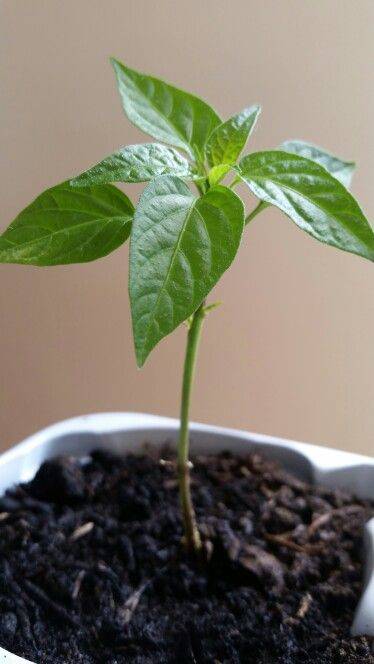
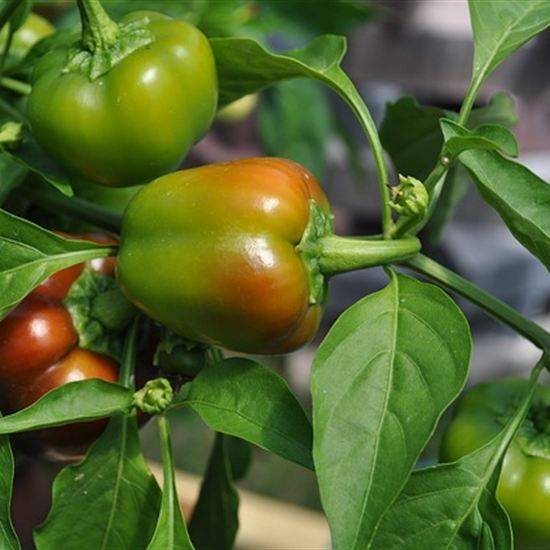
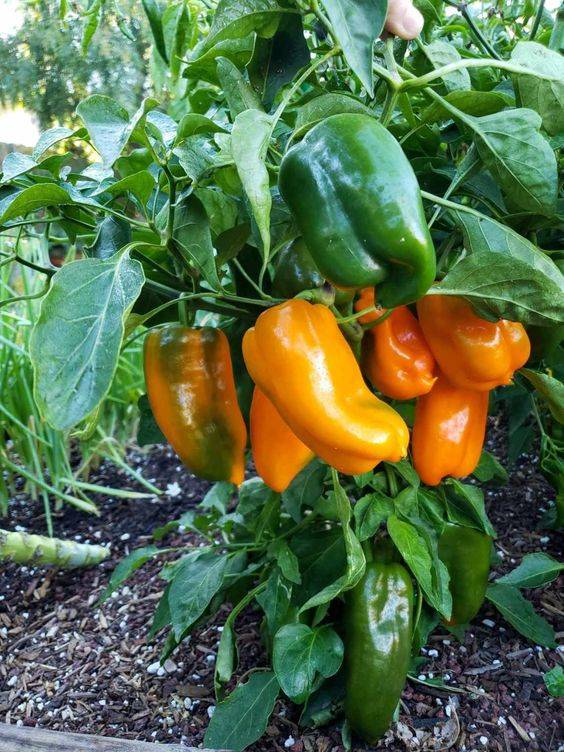
Capsicum Plant
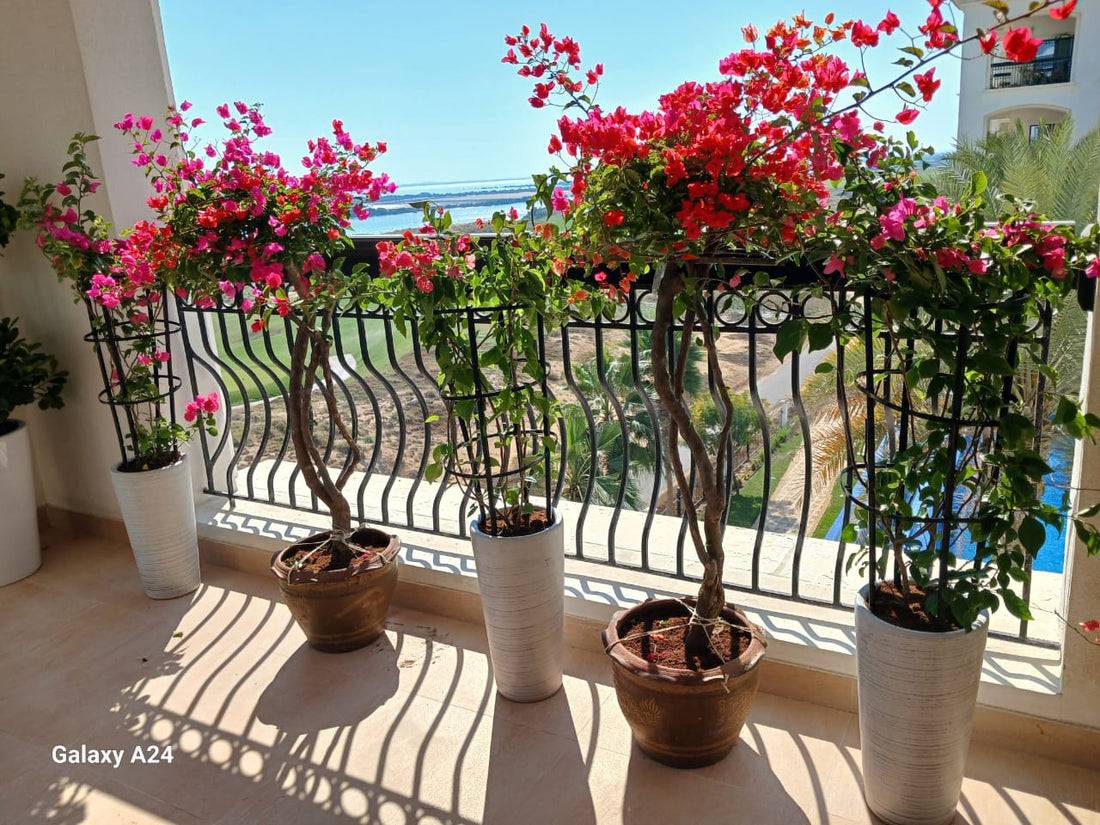
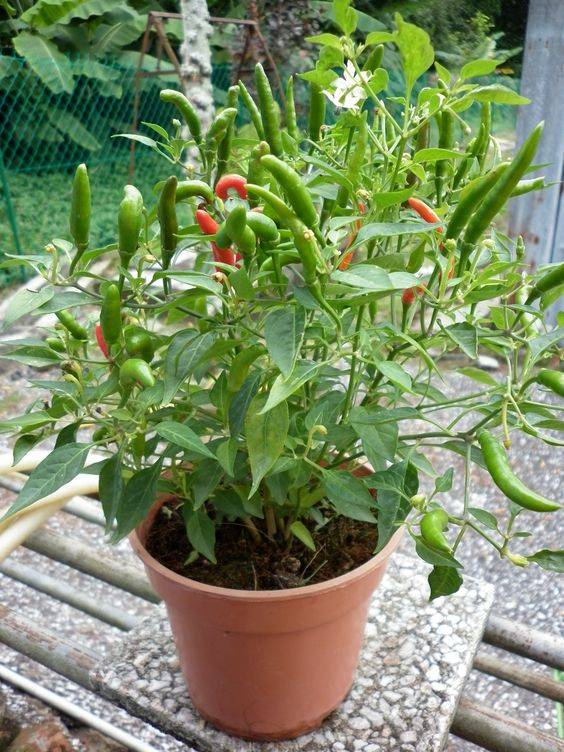
Capsicum annuum, commonly known as the pepper plant, is a flowering plant in the nightshade family Solanaceae. It is widely cultivated for its edible fruit, which is used as a vegetable in cooking. Capsicum annuum is the most economically important of the species in the Capsicum genus. Its common forms include bell, poblano, and jalapeño peppers. The plant grows up to 1 meter tall and has white or purple flowers that develop into variably shaped and colored hollow fruits that are full of seeds. Capsicum plants are suitable for growing in containers as well.
Light: Capsicum plants require full sun to grow and produce fruit. They need at least 6 hours of direct sunlight per day.
Soil: Capsicum plants prefer well-drained soil with a pH between 6.0 and 7.0. They grow best in fertile, loamy soil that is rich in organic matter.
Watering: Water your Capsicum plant deeply once a week, providing about 1 inch of water per week. Keep the soil consistently moist but not waterlogged.
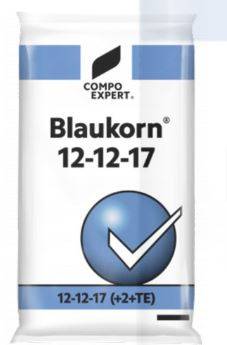
Fertilizing: Fertilize your Capsicum plant every two weeks with a balanced fertilizer (10-10-10) during the growing season. Alternatively, you can use a slow-release fertilizer at the beginning of the growing season.
Pruning: Prune your Capsicum plant to promote bushier growth and increase fruit production. Pinch off the tips of the main stems when the plant is about 1 foot tall, and remove any suckers that develop in the crotch between the main stem and branches.
Pests and Diseases: Watch out for pests such as aphids, spider mites, and whiteflies, which can damage your Capsicum plant. Common diseases include blossom end rot, bacterial spot, and powdery mildew.
Sure, here are some step-by-step instructions for caring for Capsicum plants:
Review
Related products




Contact Info
- Address: Love gardens LLC , nursery warsan 3, Dubai
- Phone: +971 554899462
- Email: [email protected]