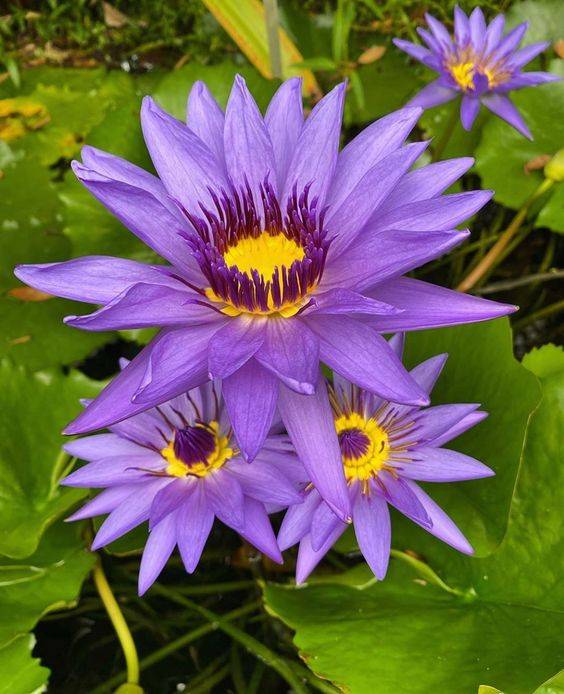

Nymphaea (Water Lily)




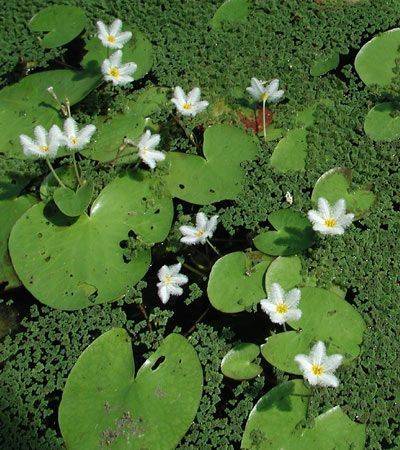
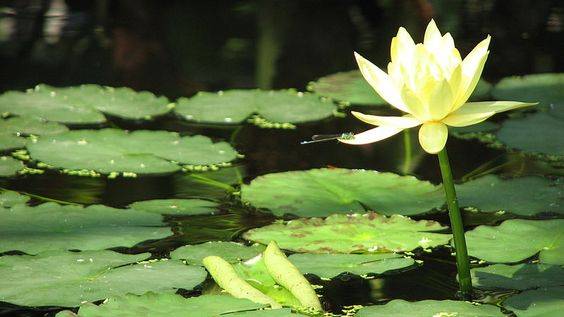
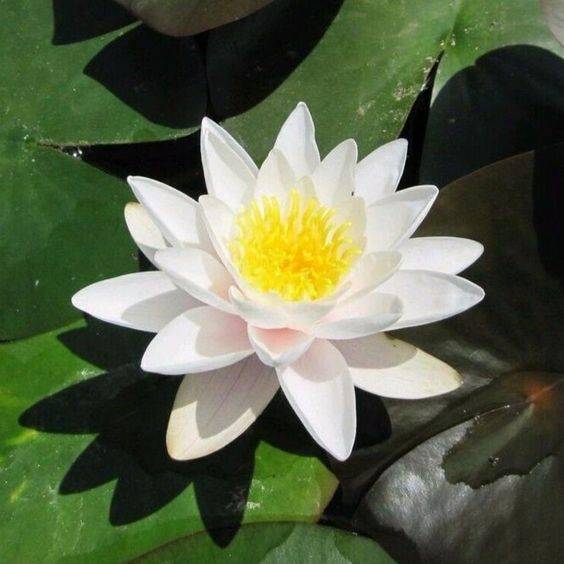
Nymphaea is a genus of aquatic plants in the family Nymphaeaceae. The genus has a cosmopolitan distribution and comprises 65 species. The plants are known commonly as water lilies or waterlilies in the United Kingdom. The genus name is from the Greek νυμφαία, nymphaia and the Latin nymphaea, which mean “water lily” and were inspired by the nymphs of Greek and Latin mythology. Water lilies are aquatic rhizomatous herbaceous perennials, sometimes with stolons as well. The stem is angular and erect. The leaves grow from the rhizome on long petioles (stalk that attaches the leaf blade to the stem). Floating round leaves of waterlily grow up to 30 centimeters (12 inches) across. The disc-shaped leaf blades are notched and split to the stem in a V-shape at the center, and are often purple underneath. Most of them float on the surface of the water. The leaves have smooth or spine-toothed edges, and they can be rounded or pointed. The flowers rise out of the water or float on the surface, opening during the day or at night. Many species of Nymphaea display protogynous flowering. Each has at least eight petals in shades of white, pink, blue, or yellow. Many stamens are at the center. Water lily flowers are entomophilous, meaning they are pollinated by insects, often beetle. The fruit is berry-like and borne on a curving or coiling peduncle.
Planting: Plant your water lily in a container that is at least 12 inches wide and 8 inches deep. Fill the container with soil and place the rhizome on top of the soil. Cover the rhizome with soil, leaving the growing tip exposed.
Watering: Fill the container with water until it is about 2 inches below the rim. Water lilies need at least 6 hours of direct sunlight each day, so place the container in a sunny spot.
Fertilizing: Fertilize your water lily once a month during the growing season (spring and summer). Use a fertilizer that is specifically formulated for aquatic plants.
Pruning: Remove any yellow or brown leaves as soon as you notice them. This will help prevent disease and keep your plant healthy.
Winter Care: In colder climates, water lilies will go dormant during the winter months. Move the container to a cool, dark place (such as a basement) and stop fertilizing until spring.
Water lilies are aquatic plants that require a lot of sunlight and warm water to grow. Here are some step-by-step instructions for caring for your Nymphaea:
Review
Related products





























































































































































Contact Info
- Address: Love gardens LLC , nursery warsan 3, Dubai
- Phone: +971 554899462
- Email: [email protected]