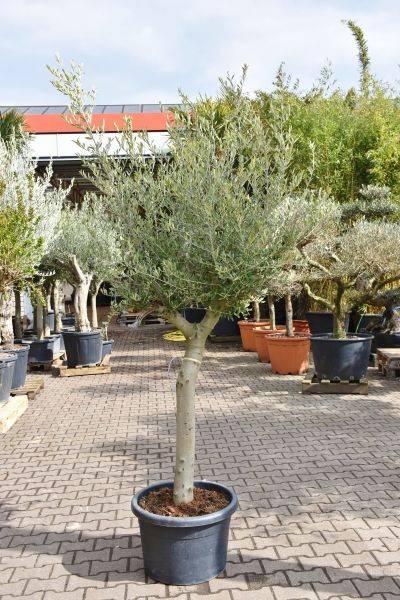
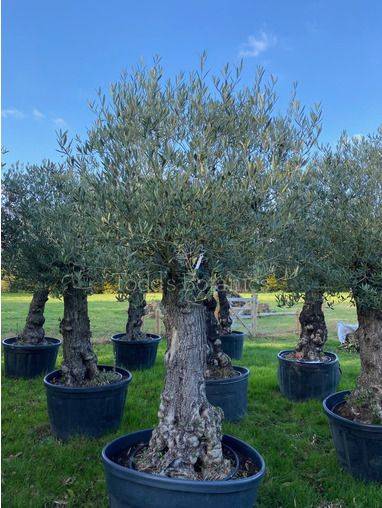
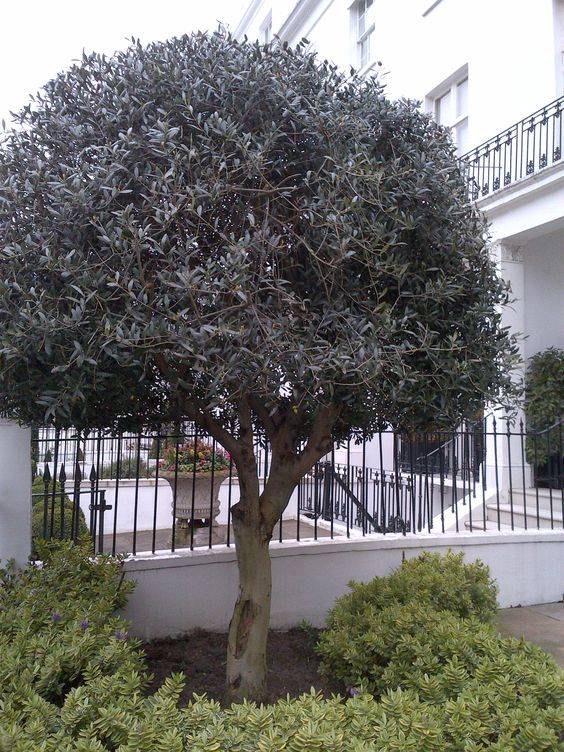
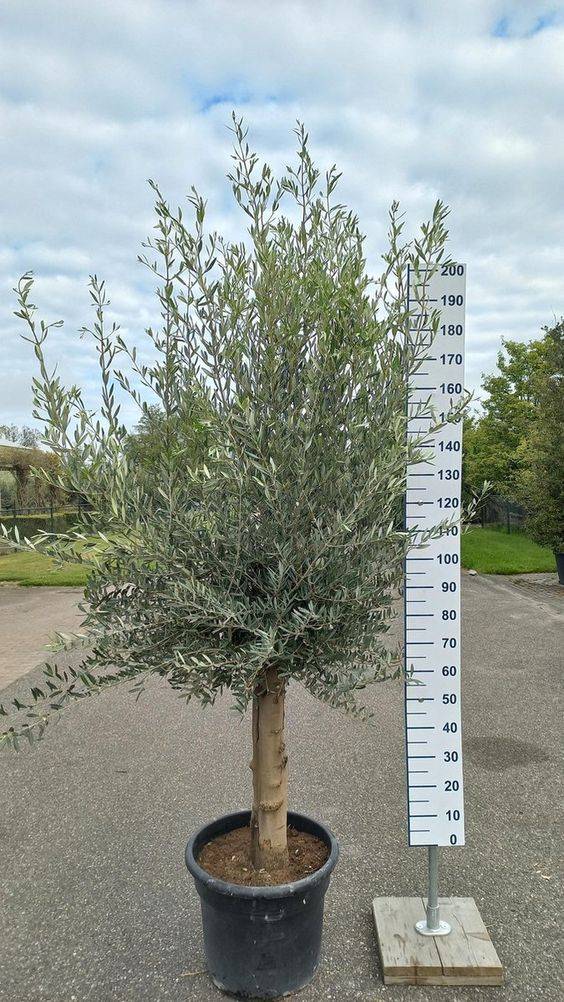
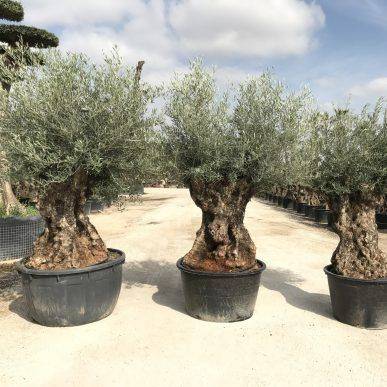
Olea europea
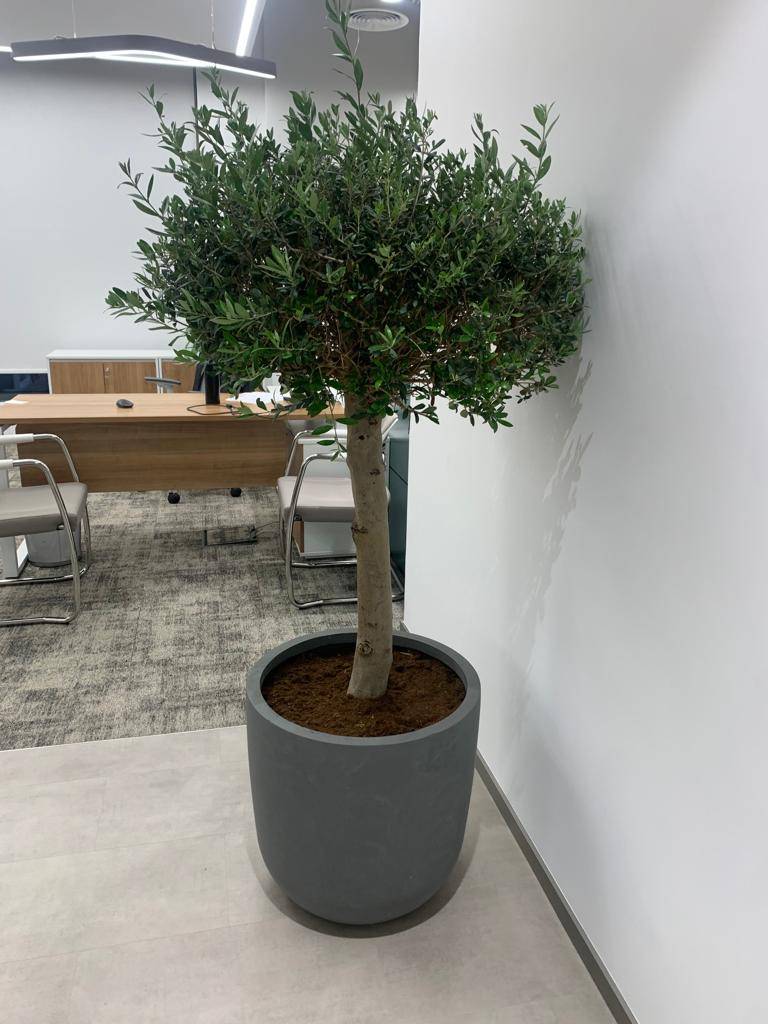
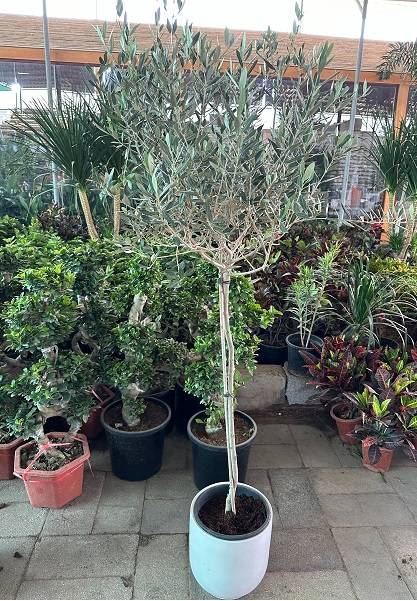
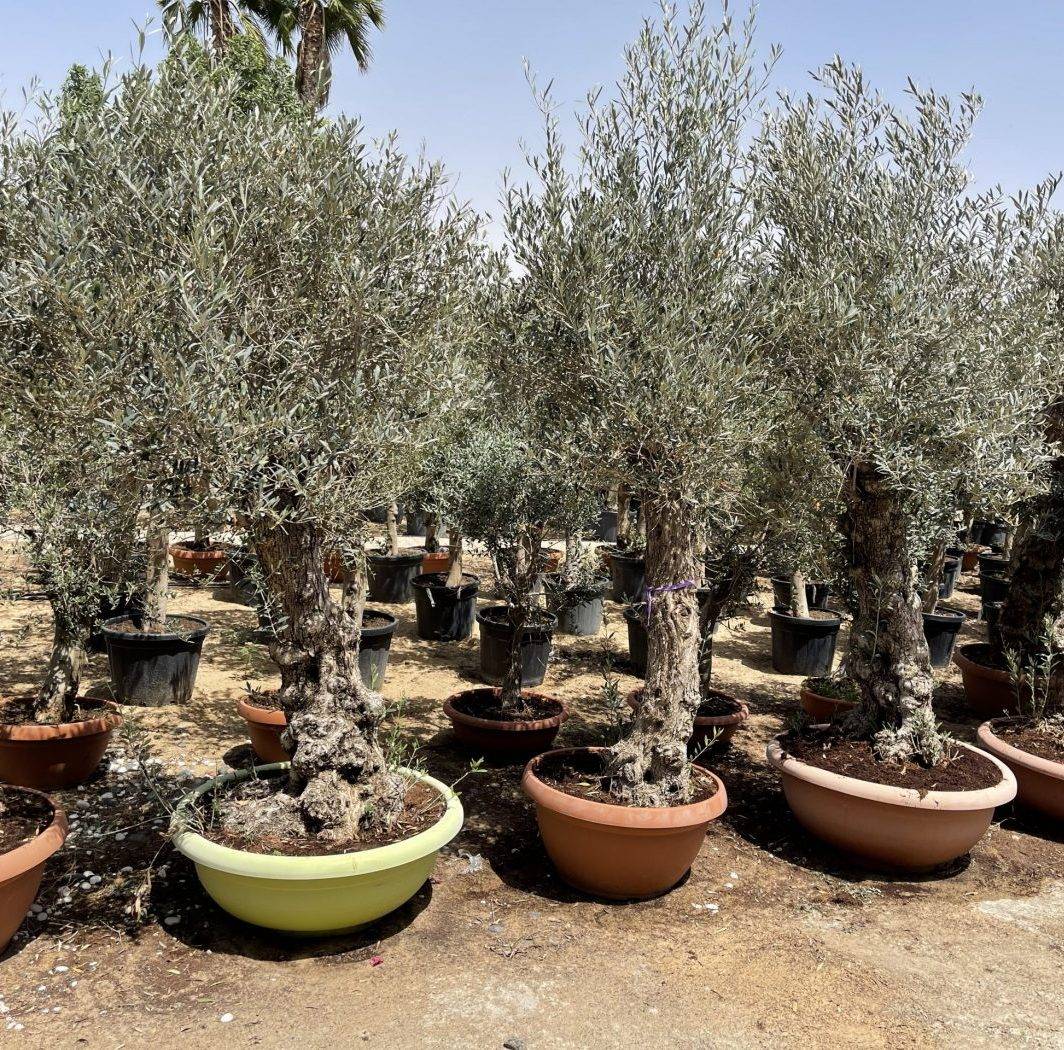
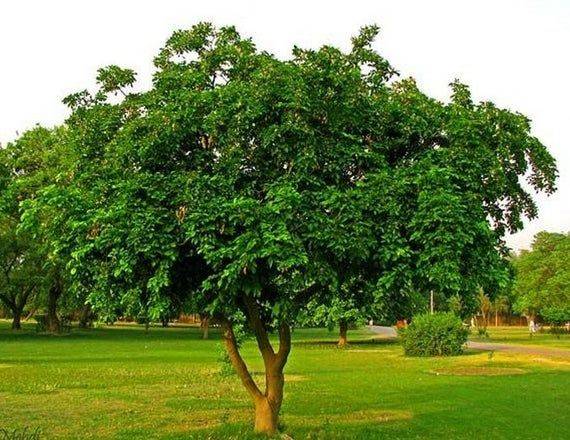
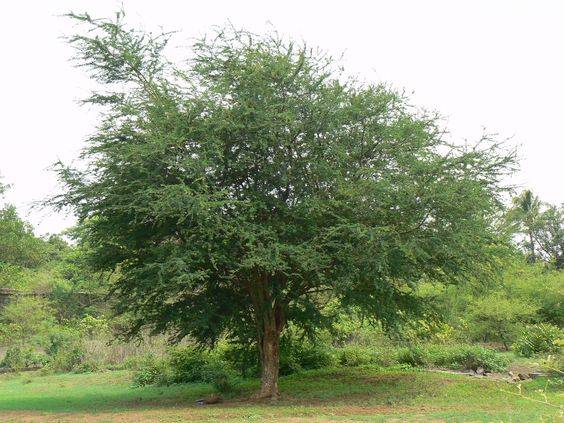
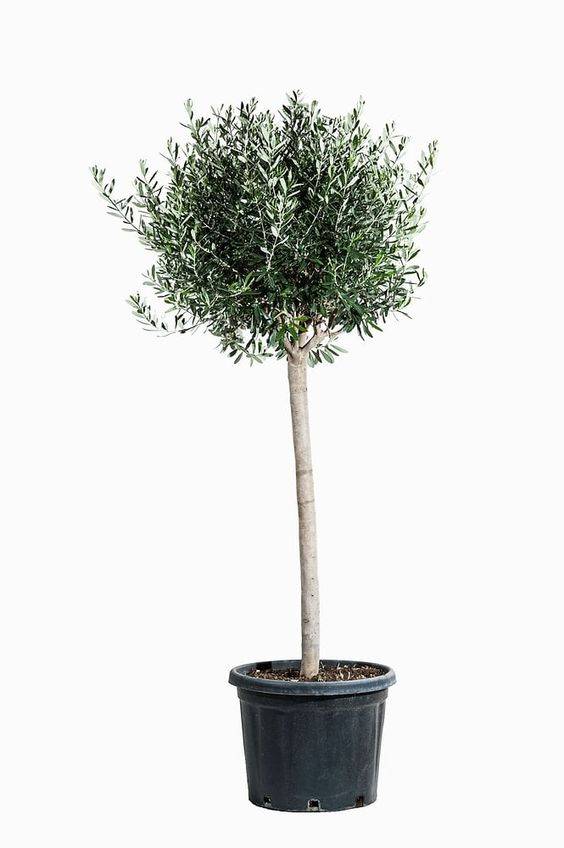
Olea europaea, commonly known as the olive tree, is a species of small tree or shrub in the family Oleaceae. It is native to Mediterranean Europe, Asia, and Africa and grows up to 8-15 meters tall. The tree has a short and squat appearance and is evergreen. Its fruit, also called an “olive,” is of major agricultural importance in the Mediterranean region as the source of olive oil; it is one of the core ingredients in Middle Eastern cuisine and Mediterranean cuisine. The olive’s fruit is typically 1-2.5 cm long and 1 cm wide, with a hard pit in the center. The olive tree has been cultivated for thousands of years for its fruit and oil. It has been used for food, medicine, fuel, and religious rituals. The tree has a long lifespan and can live up to 1000 years. The olive tree is also known for its ornamental value and is often grown as a decorative plant in gardens.
Planting: Olive trees prefer well-drained, sandy loam soils with a pH between 6.0 and 8.0. They are very drought tolerant and can withstand high levels of salt in the soil. Plant the tree in moist, well-drained soil in an area that gets full sun.
Watering: Water regularly but sparingly during the growing season. Do not overwater, as olives are fairly drought-tolerant plants.
Lighting: Olive trees prefer full sun but will tolerate partial shade.
Temperature: Olive trees are hardy but protect from cold drying winds and hard frost (below -5°C). The optimum temperature range for fruit production is between 18 to 24 degrees Celsius.
Fertilization: During the growing season, top dress sparingly with organic fertilizer or with slow-release fertilizer granules.
Pruning: Prune into shape in spring/summer.
Here are some step-by-step instructions for caring for your Olea europaea:
Review
Related products





Contact Info
- Address: Love gardens LLC , nursery warsan 3, Dubai
- Phone: +971 554899462
- Email: [email protected]