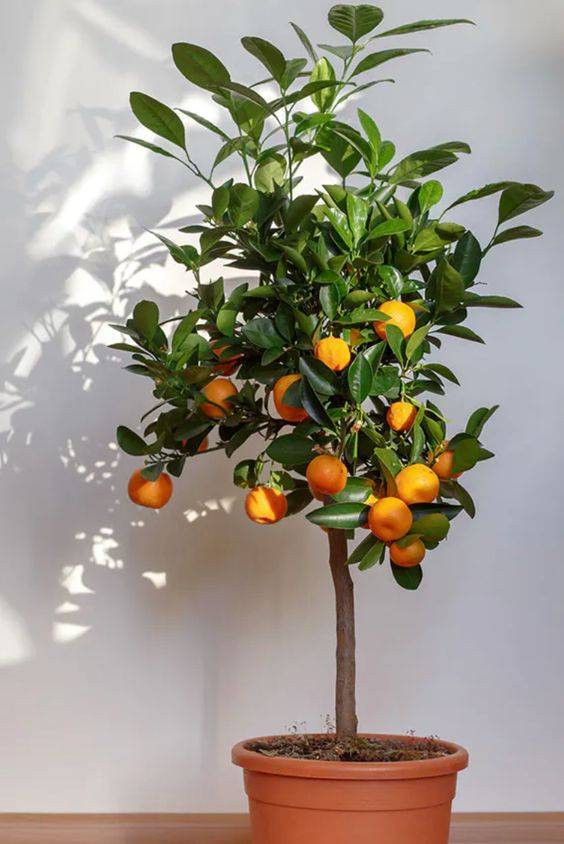
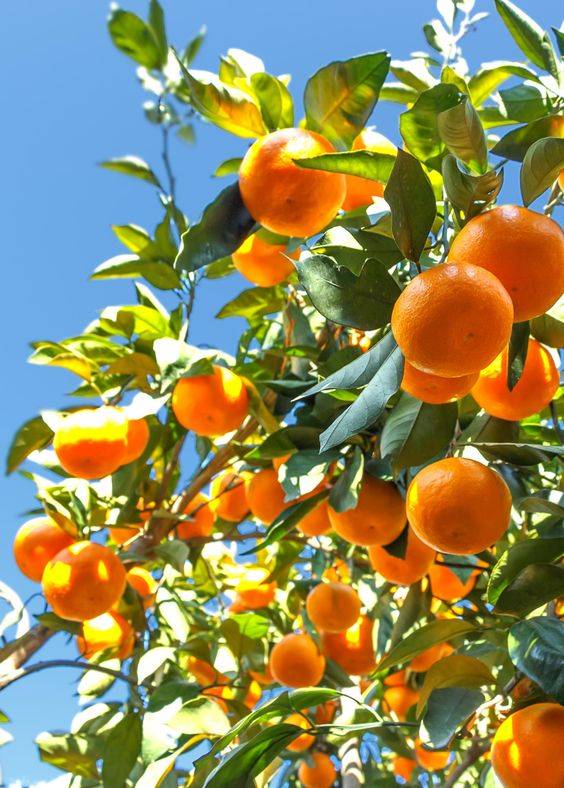
Mandarin Plant


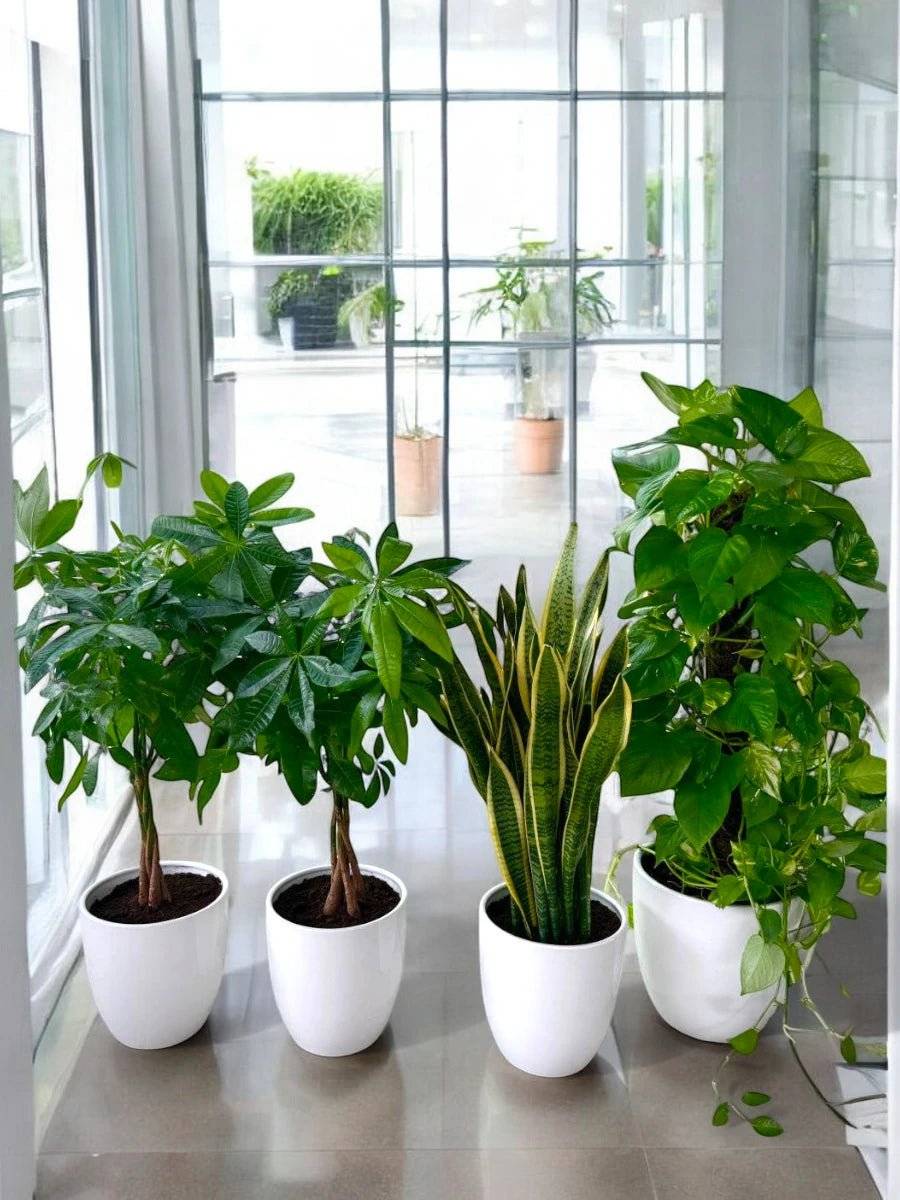
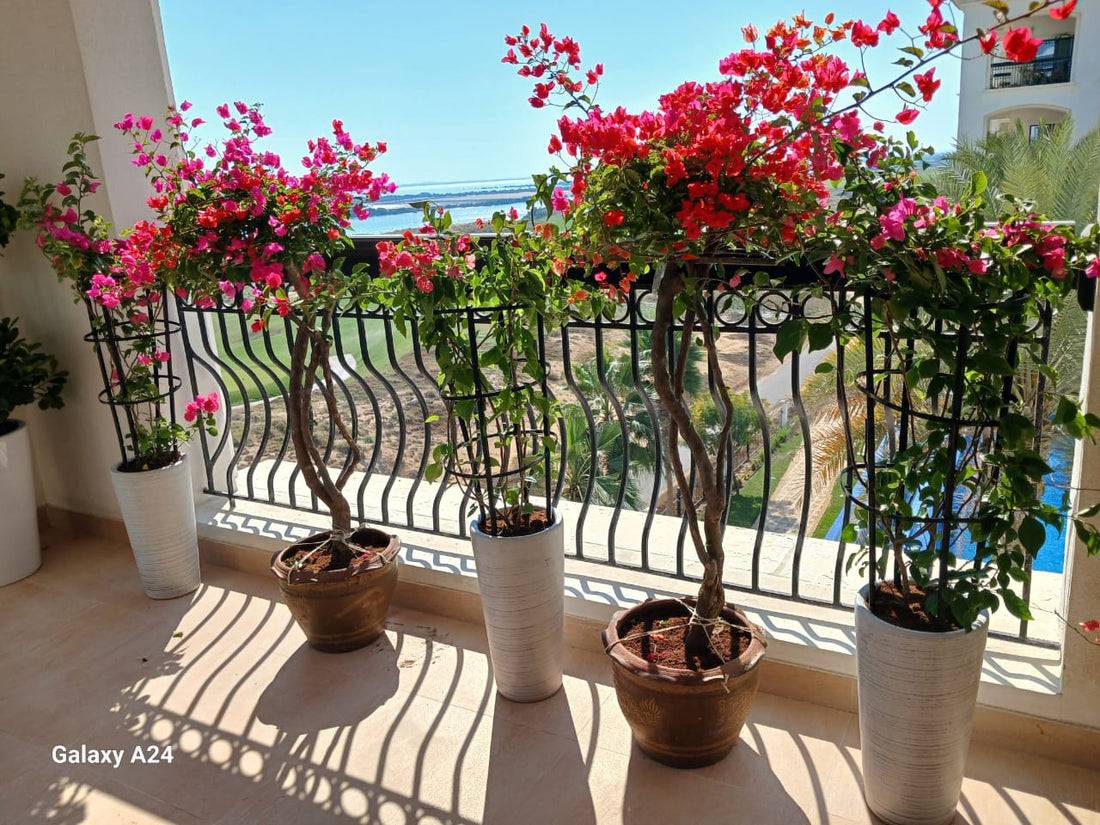
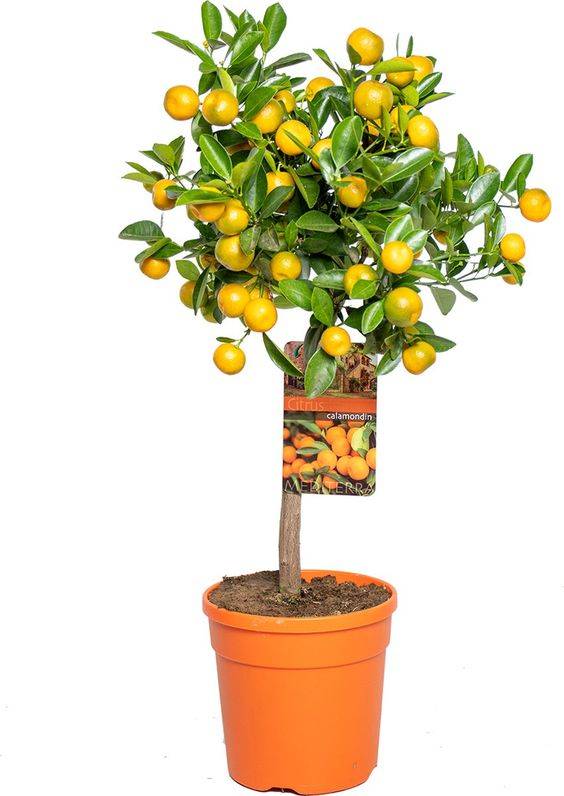
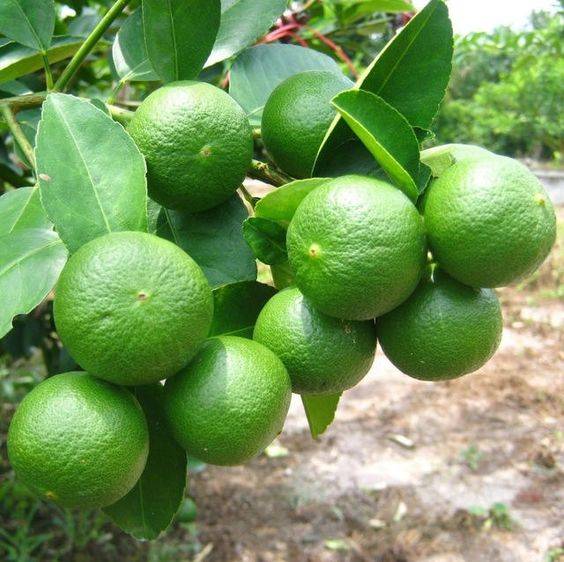
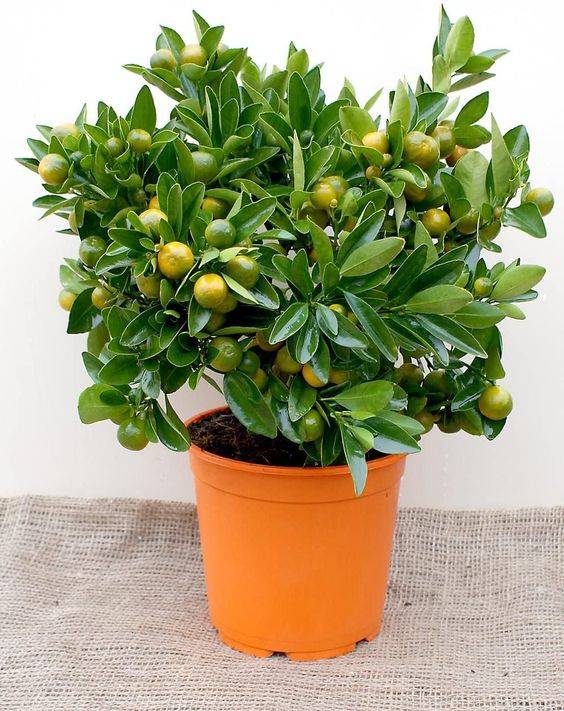
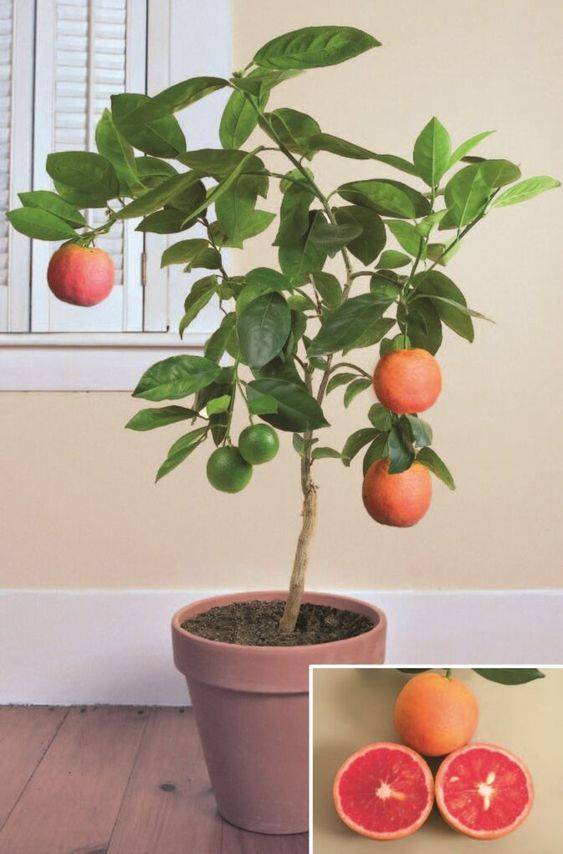
Mandarin is a group name given to several classes of small oranges that includes mandarins, satsumas, clementines and tangerines which all belong to the species Citrus reticulata and the satsuma mandarin Citrus unshiu. Generally, mandarin trees are small and spiny with long, slender branches. They can have an erect or drooping growth habit depending on variety. The leaves of the trees are lanceolate and may be hairless or toothed with narrowly winged petioles. The trees produce flowers singly or in clusters and globose fruits with a bright orange to red-orange peel and segmented orange flesh. Mature mandarin trees can reach 7–8 m 23–26 ft in height and can be very long lived if they do not succumb to disease. Mandarin oranges are commonly eaten fresh or may be processed for canned segments. They can be pressed or squeezed to produce juice which is used in many beverages. Mandarin essential oil is used as a flavoring in alcoholic drinks. Mandarin oranges are subtropical plants and the trees grow best in regions with a pronounced change in season. They will grow best at temperatures between 12.8 and 37.8°C (55–100°F) during the growing season and 1.7 to 10°C (35–50°F) during dormancy. Mature mandarin orange trees can survive short periods of freezing, whereas young trees will be killed. Fruit will also be damaged by freezing conditions. The trees will tolerate drought conditions but perform poorly in water-logged soil. Trees will grow best when planted in a well-draining sandy loam with a pH between 6.0 and 7.5.
Exposure/Light: Mandarin plants prefer bright indirect light, near but not in a west or south window. Prolonged periods of direct sunlight and/or touching hot glass will cause the plant to sunburn. In low light levels, the bright color of the stems would fade. In the winter months, you may have to move your Mandarin Plant to a brighter spot so it gets the bright light it needs.
Watering: Mandarin plants have low to average water needs. Water them when it’s dry or almost dry. Be sure to let the water drain through the pot, and if there’s a saucer under it, don’t let it sit in any built-up water. Depending on how warm and bright your house is, watering might be every 10-21 days.
Temperature: Mandarin oranges are subtropical plants and grow best in regions with a pronounced change in season. They will grow best at temperatures between 12.8 and 37.8°C (55–100°F) during the growing season and 1.7 to 10°C (35–50°F) during dormancy.
Humidity: Mandarin plants prefer moderate humidity levels between 40% and 60%. If your home is dry, you can increase humidity by placing a tray of water near the plant or using a humidifier.
Fertilizer: To keep your mandarin plant happiest, fertilize in spring and summer with a general-purpose fertilizer formulated for houseplants. Follow the instructions on the product packaging for application rates.
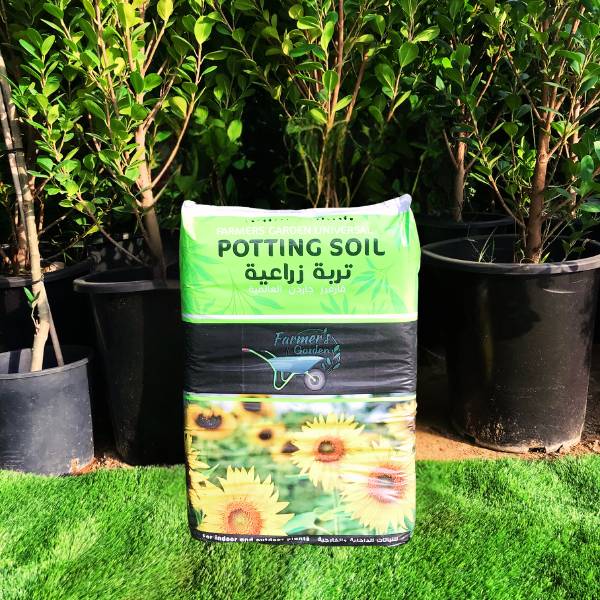
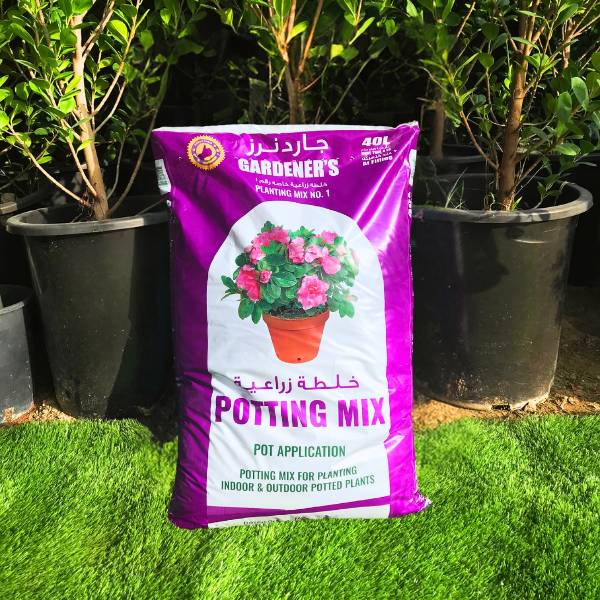
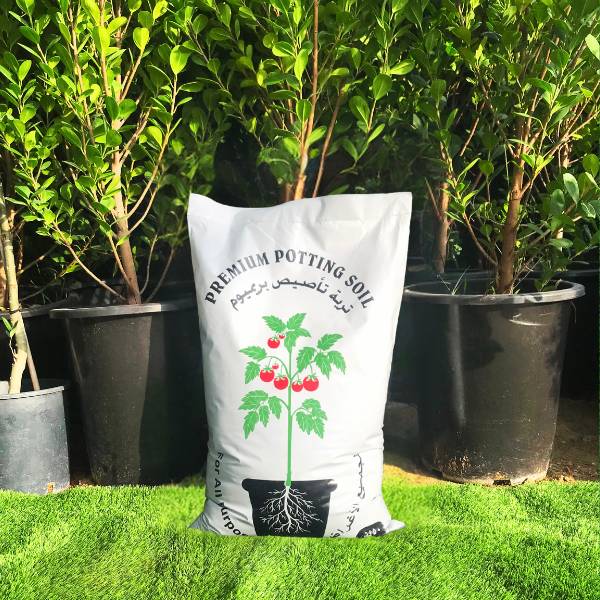
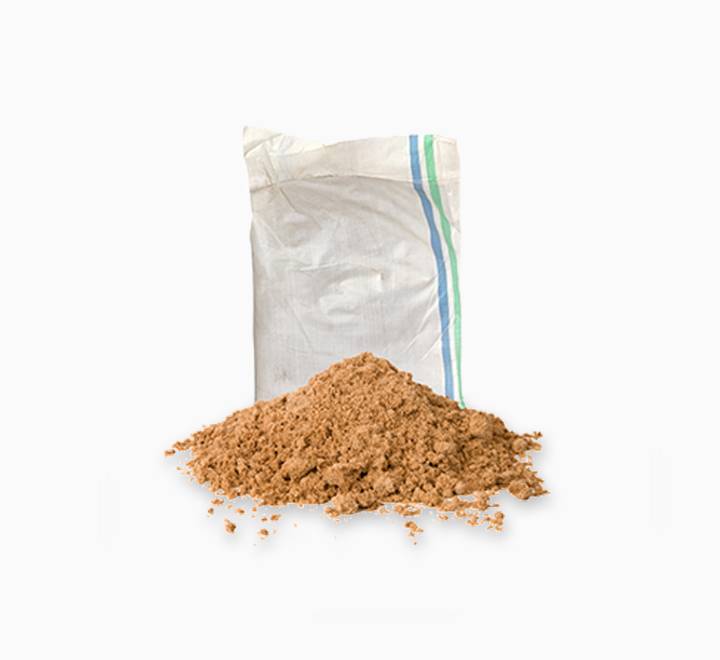
Soil / Repotting: Mandarin plants grow best when planted in a well-draining sandy loam with a pH between 6.0 and 7.5. Repotting should be done every two years or so, or when roots start to grow out of the drainage holes at the bottom of the pot.
Pruning: Mandarin plants typically don’t need pruning, except to remove old leaves as they age out.
Propagation: Mandarin plants can be propagated by division or by rooting stem cuttings in water or soil.
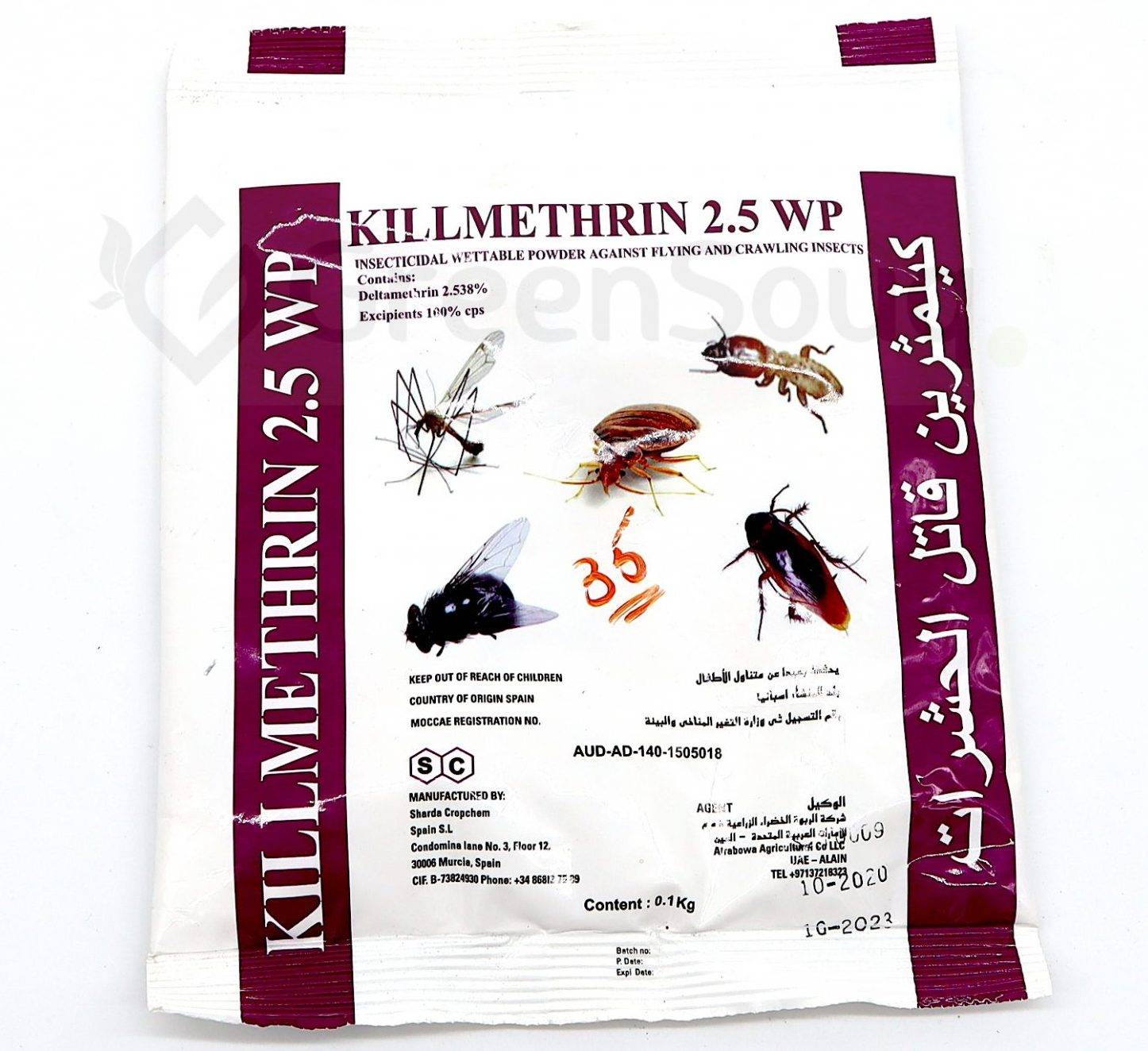
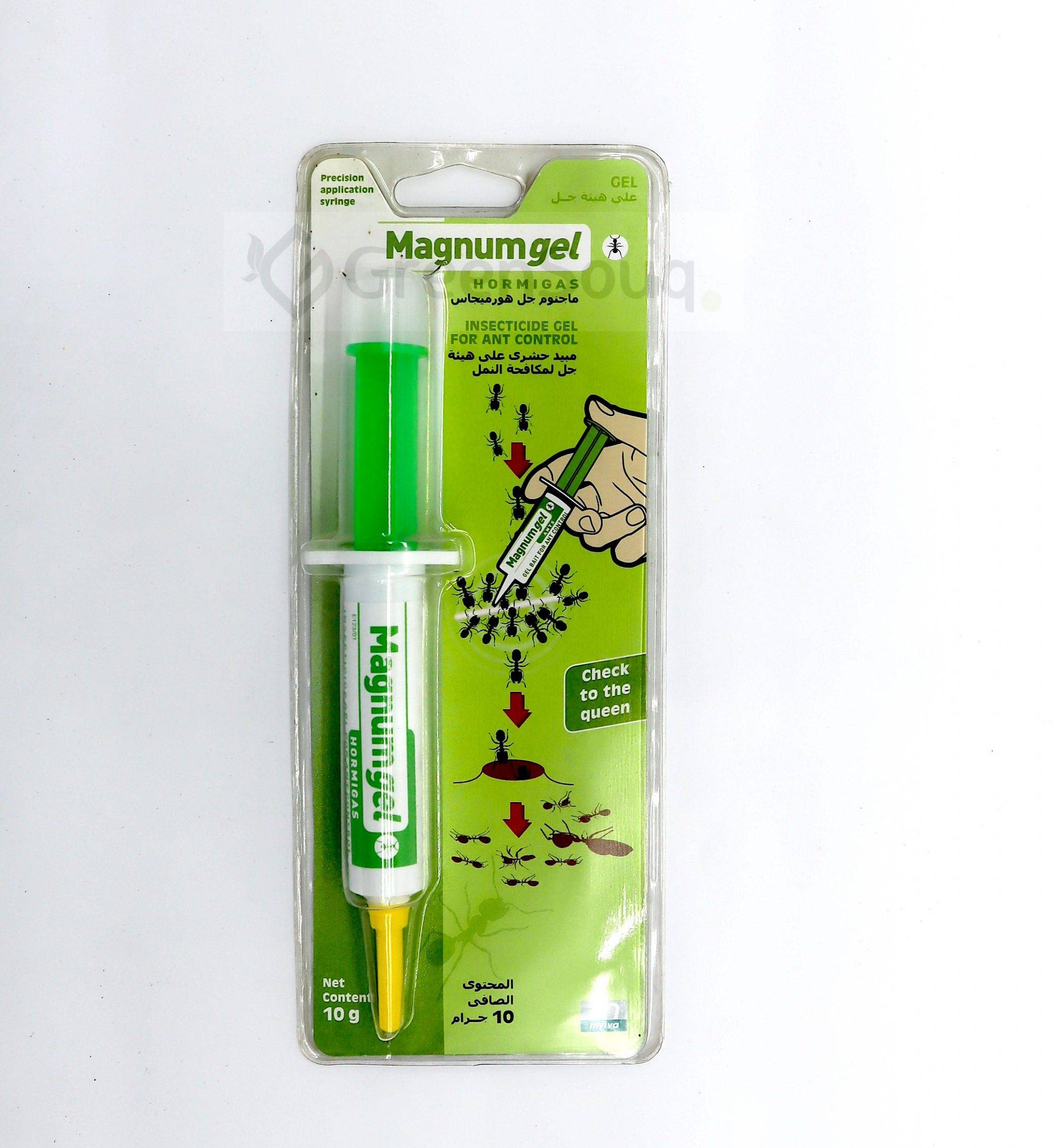
Pests: Common pests that affect mandarin plants include spider mites, scale insects, mealybugs, aphids, and whiteflies. Keep an eye out for these pests and treat them promptly if you notice any signs of infestation.
Pet Safety: Mandarin oranges are not toxic to pets such as cats and dogs.
Here are some step-by-step instructions for caring for Mandarin plants:
Review
Related products








Contact Info
- Address: Love gardens LLC , nursery warsan 3, Dubai
- Phone: +971 554899462
- Email: [email protected]