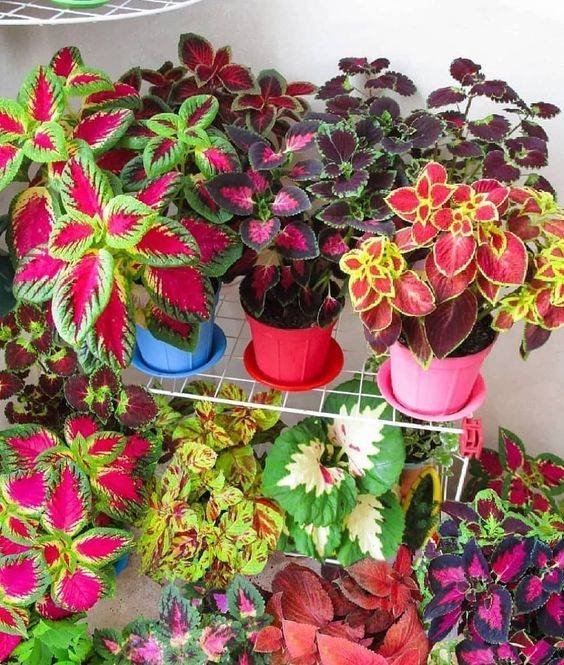
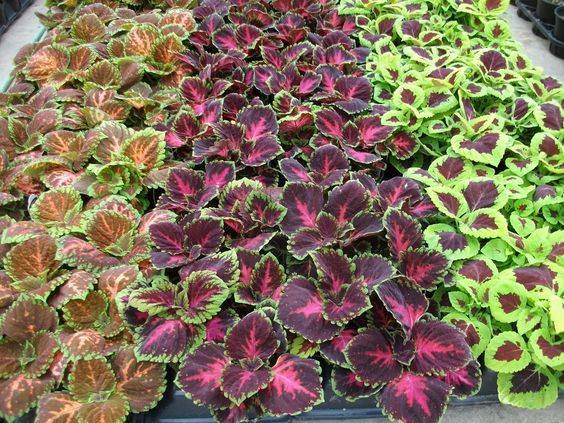

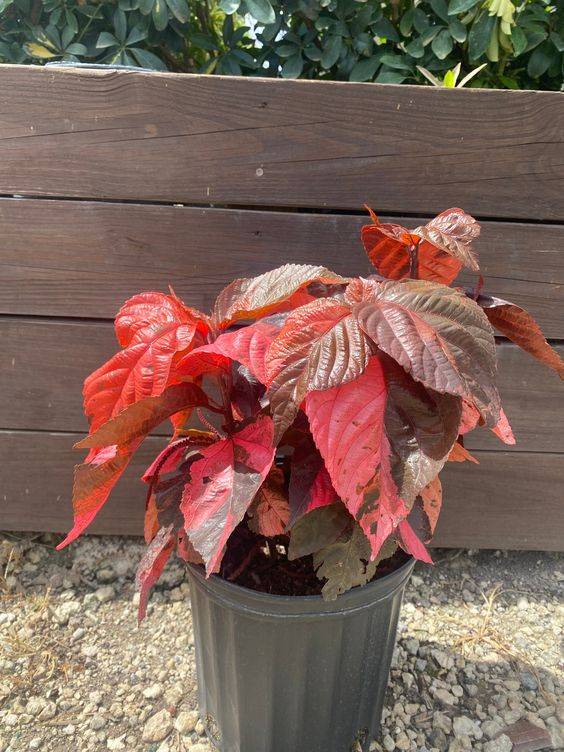
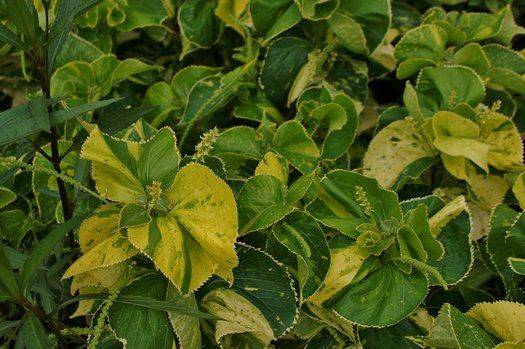
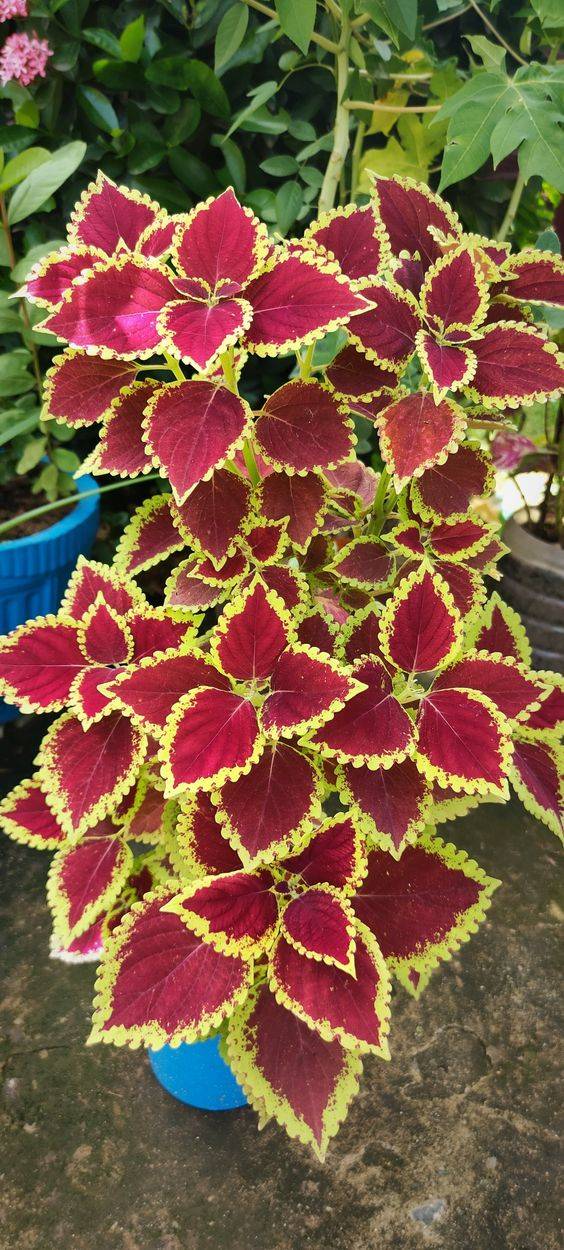
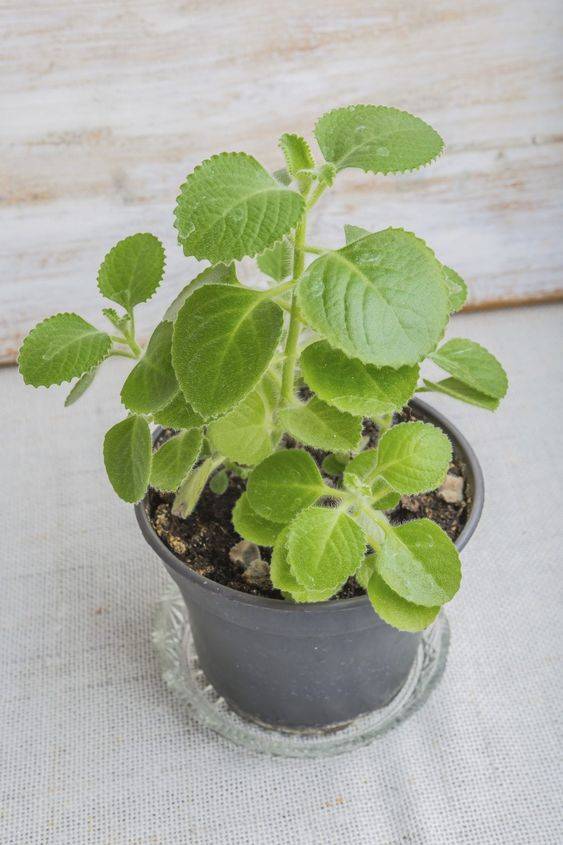
Coleus (Mix Colour)

Coleus is a genus of annual or perennial herbs or shrubs, sometimes succulent, sometimes with a fleshy or tuberous rootstock, found in the Afro-Eurasia tropics and subtropics. The relationship among the genera Coleus, Solenostemon and Plectranthus has been confused. Coleus and Solenostemon were sunk into Plectranthus, but recent phylogenetic analysis found Plectranthus to be paraphyletic with respect to other related genera in the subtribe Plectranthinae. The most recent taxonomic treatment of the genus resurrected Coleus, and 212 names were changed from combinations in Plectranthus, Pycnostachys and Anisochilus. Common names for Coleus include spurflower, flybush, hedgehog flower and hullwort. Coleus are cultivated as ornamental plants, particularly Coleus scutellarioides (syns. Coleus blumei, Plectranthus scutellarioides), which is popular as a garden plant for its brightly colored foliage.
Planting: Coleus prefers well-draining soil and partial shade (or full sun for sun-tolerant varieties). Amend the soil with compost or well-rotted manure to improve its fertility and drainage if needed. Dig a hole slightly larger than the root ball of the plant. Gently remove the plant from its container, being careful not to damage the roots. Place the plant in the hole and backfill with soil. Water thoroughly.
Watering: Coleus prefers evenly moist soils, so check often and adjust your watering schedule accordingly. Water the plants regularly, taking care not to overwater or saturate the soil.
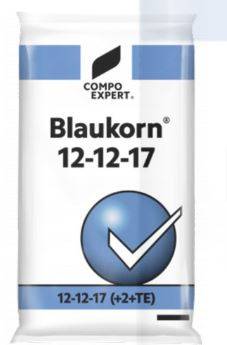
Fertilizing: Fertilize every two weeks during the growing season to boost your coleus and help encourage faster growth. Use a balanced fertilizer (10-10-10 NPK).
Pruning: Prune coleus regularly to encourage bushy growth and more leaves. Pinch off spent blooms to keep the plant looking tidy and to encourage more blooms.
Propagation: Coleus can be propagated by stem cuttings taken in late summer or early fall. Trim off a healthy portion of stem that’s around 6 inches long. Opt for a green, supple stem over one that’s older and… Remove foliage from the bottom half of the stem. Dip the cut end in rooting hormone. Plant the stem in a small container filled with moistened soilless potting mix.
Here are some step-by-step instructions for taking care of coleus:
Review
Related products








Contact Info
- Address: Love gardens LLC , nursery warsan 3, Dubai
- Phone: +971 554899462
- Email: [email protected]