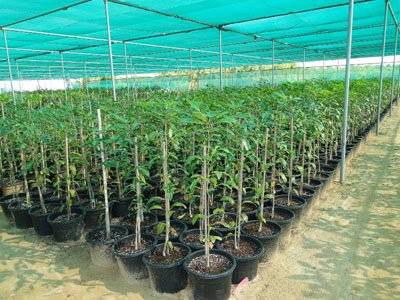
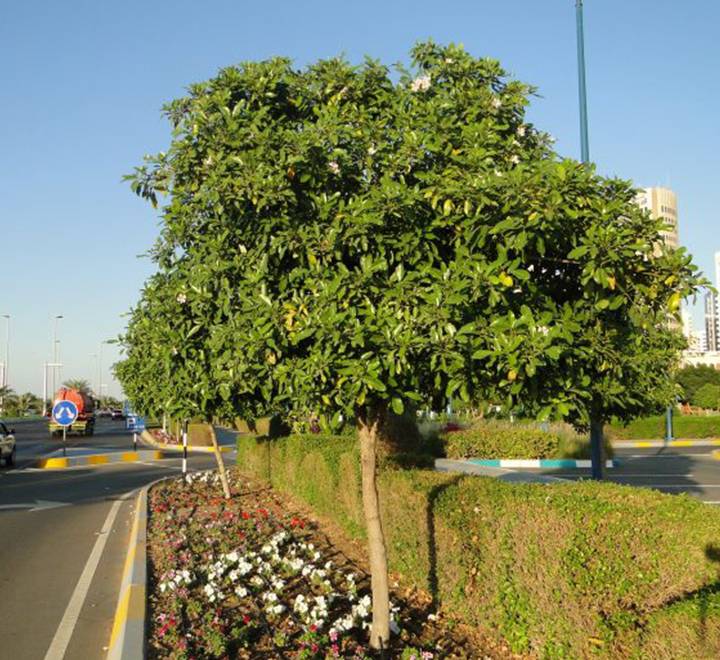
Tabebuia rosea
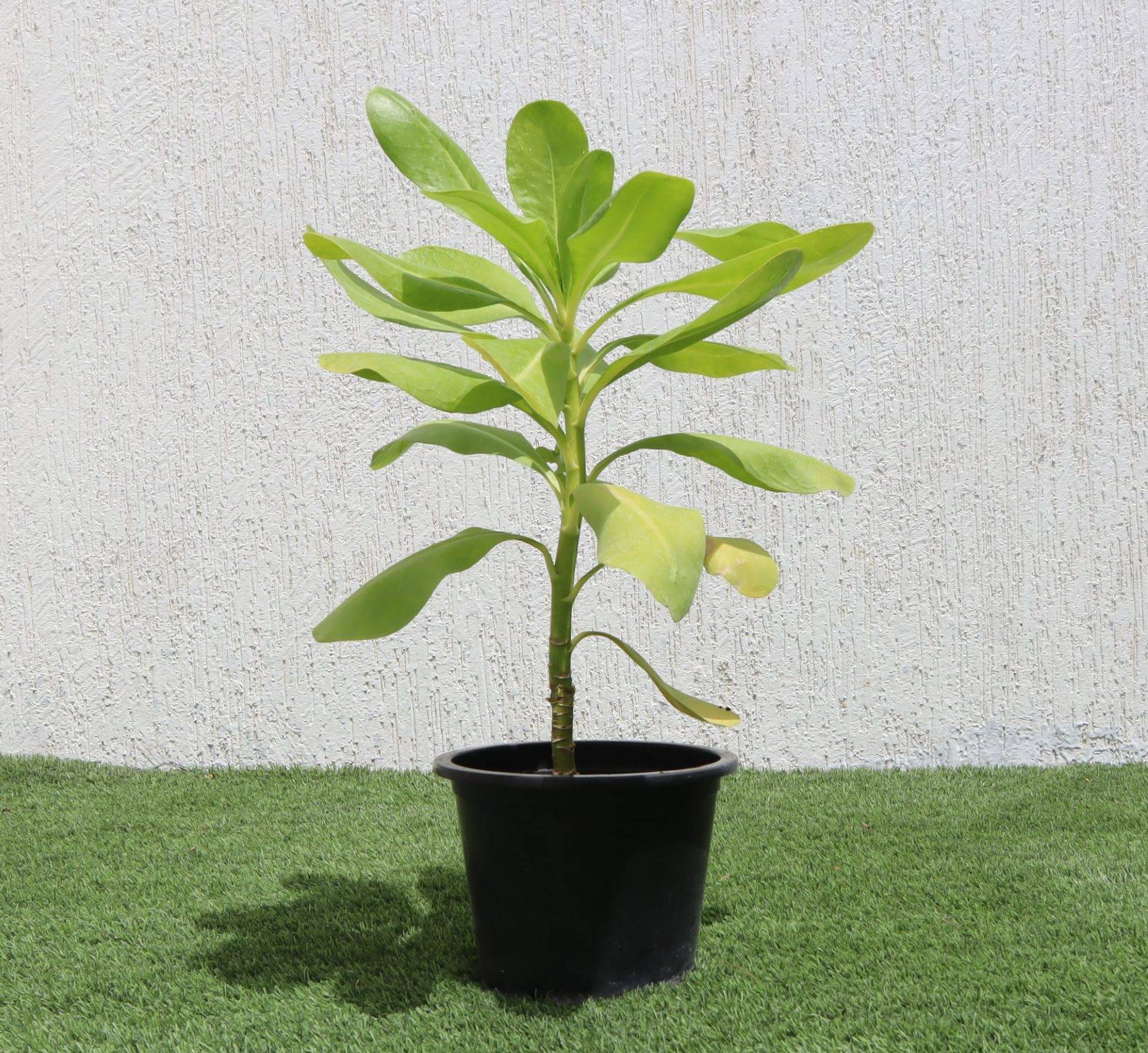
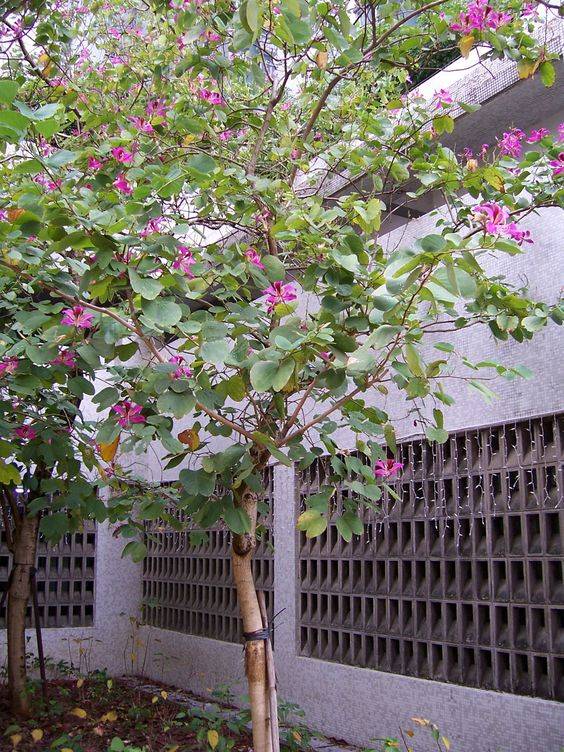
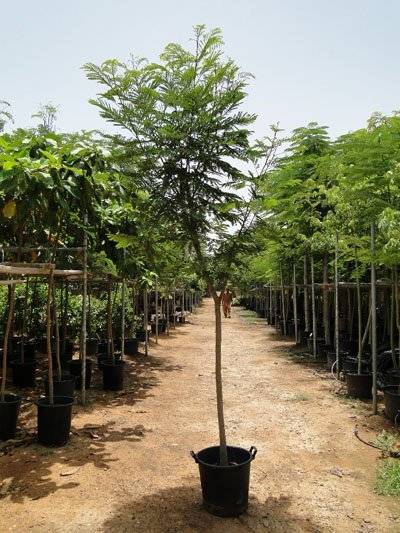
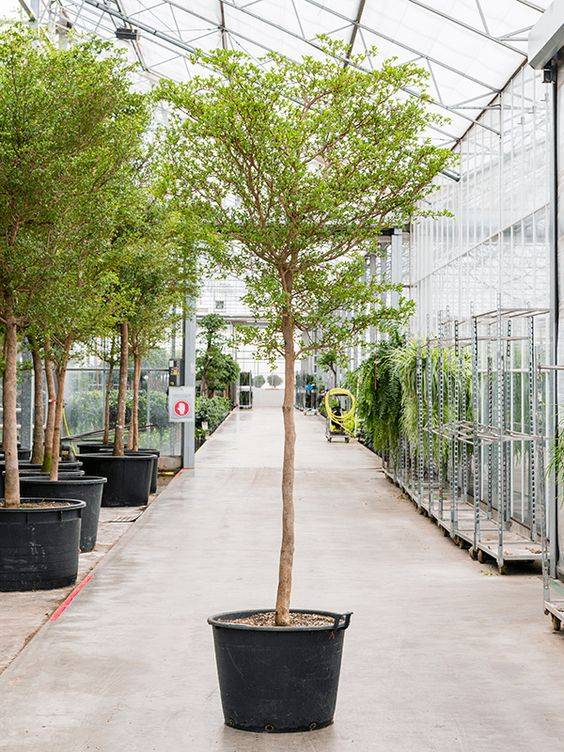
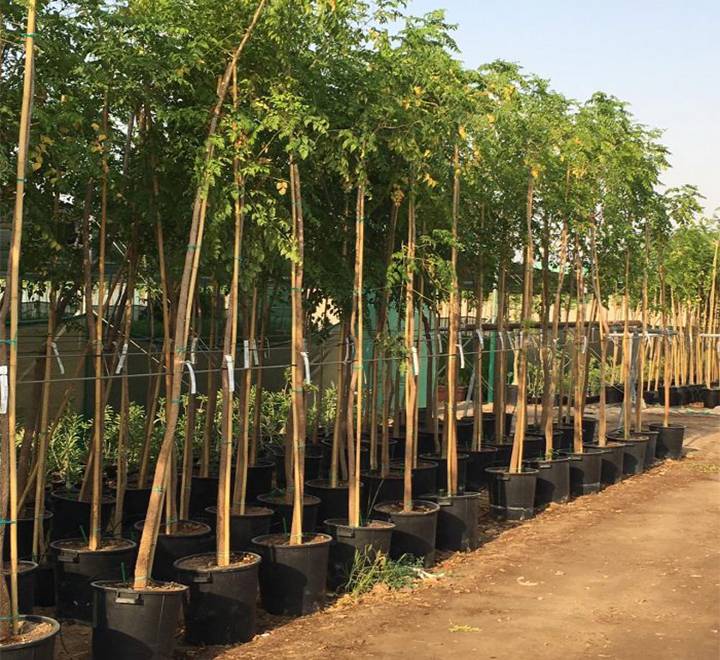
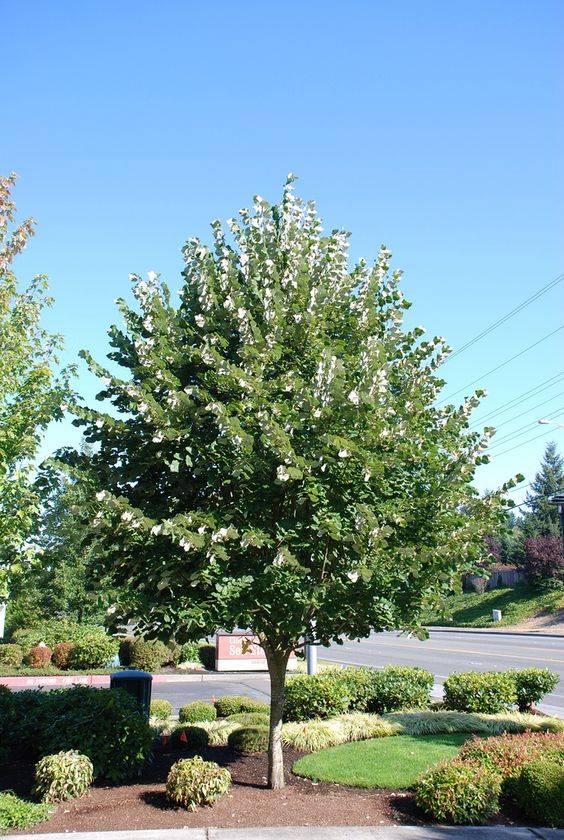
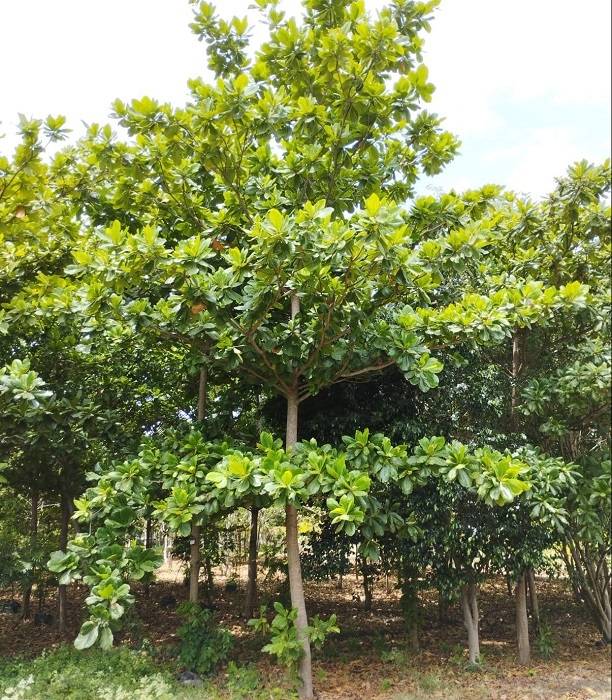
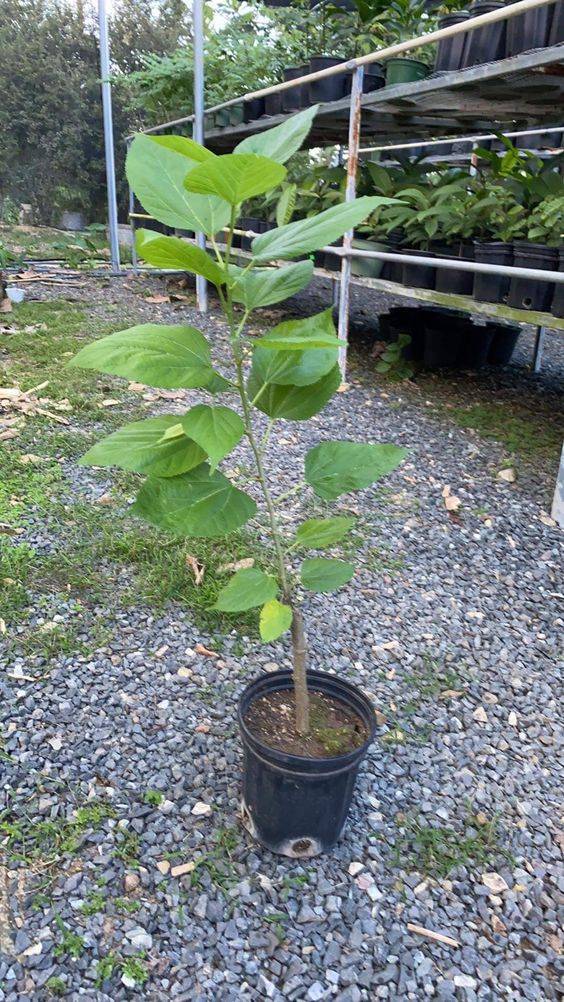
Tabebuia rosea, also called pink poui, and rosy trumpet tree is a neotropical tree that grows up to 30 m (98 ft) and can reach a diameter at breast height of up to 100 cm (3 ft). The tree is short length, with irregular, stratified ramification and only few thick branches. The bark can be gray to brown, in varying darkness and may be vertically fissured. Leaves are compound, digitate and deciduous. Each leaf has five leaflets of variable size, the middle one being the largest. Flowering occurs mainly in January and February, and is generally associated with dry periods; although flowering has also been observed in August, September, April and May. Flowers are large, in various tones of pink to purple, and appear while the tree has none, or very few, leaves. Pollination occurs probably by insects, although the flowers are visited by many birds such as tanagers, hummingbirds and orioles.
- Plant Tabebuia rosea in well-drained soil that is rich in organic matter. The soil pH should be between 6 and 6.5.
- Tabebuia rosea requires a sunny location that is sheltered from strong winds.
- Water the plants regularly, especially during dry spells. Tabebuia rosea doesn’t like to be waterlogged, so make sure the soil drains well.
- Fertilize the plants every two weeks with a balanced fertilizer that contains nitrogen, phosphorus, and potassium.
- Prune the plants regularly to remove dead or damaged leaves and to promote new growth.
- Protect the plants from pests such as aphids, mealybugs, and spider mites by using insecticidal soap or neem oil.
Here are the step-by-step instructions to grow and care for Tabebuia rosea:
Review
Related products



























Contact Info
- Address: Love gardens LLC , nursery warsan 3, Dubai
- Phone: +971 554899462
- Email: [email protected]