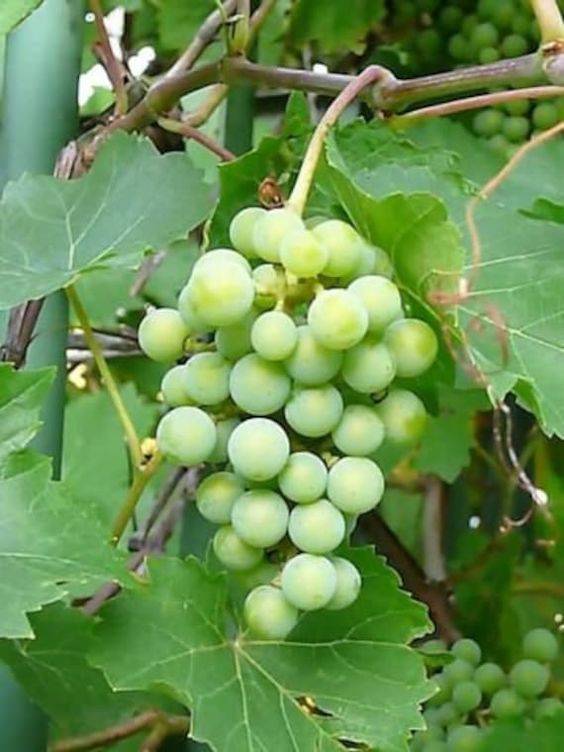
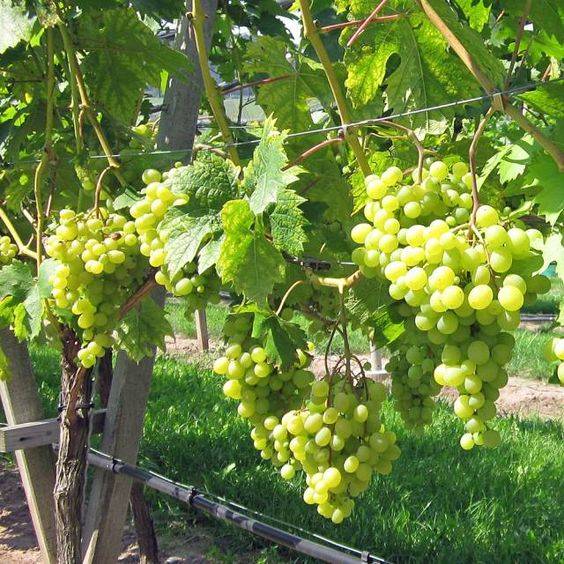
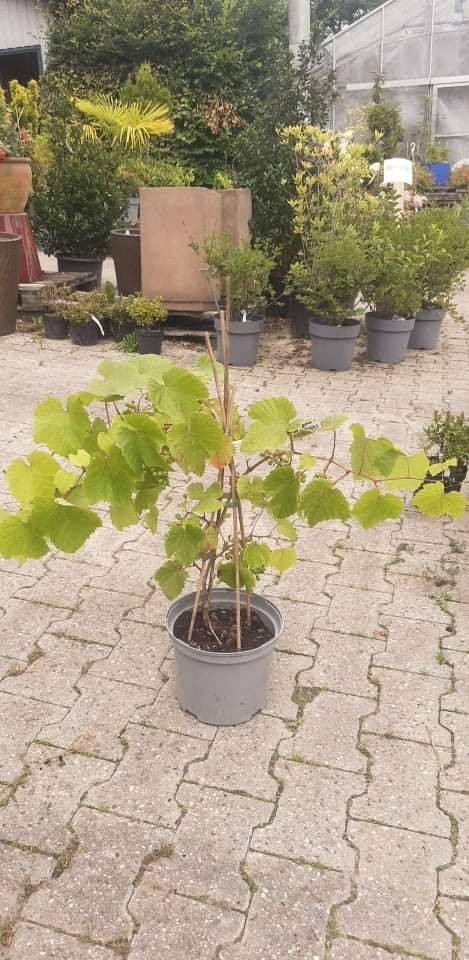
Vitis vinifera (Grapes Vine)





Vitis vinifera, commonly known as the common grape vine, is a species of flowering plant in the family Vitaceae, native to the Mediterranean region, Central Europe, and southwestern Asia. The plant is a woody, deciduous vine that climbs by branched tendrils to 40-60 feet long over time if left unpruned. The fruit of the common grape vine is used for wine production and can be eaten fresh or dried to produce raisins, sultanas, and currants. Grapes are a rich source of vitamins and minerals, including copper, vitamins B and K, and vitamin C. They are also high in fiber, which helps to diversify your gut microbiome and lower or maintain your blood sugar levels, blood pressure, and cholesterol. Grapes may boost heart health in several ways. They contain potassium, which is necessary for maintaining healthy blood pressure levels. Evidence shows that potassium helps lower blood pressure primarily by helping dilate your arteries and veins. It may also help excrete sodium and prevent the narrowing of arteries and veins that would otherwise increase blood pressure . Additionally, diets high in resveratrol — an antioxidant in grapes — such as the Mediterranean diet have been shown to decrease cholesterol levels . Grapes may benefit individuals with type 2 diabetes. Red and black grapes contain significant amounts of resveratrol, a compound found naturally in the skin of dark pigmented grapes to protect them from environmental toxins. In humans, resveratrol-containing grapes show promise in improving insulin sensitivity and glucose metabolism, particularly in those with type 2 diabetes. It’s recommended to incorporate red, black, or green grapes daily as part of an overall healthy diet containing vegetables, fruits, healthy fats, and whole grains. One cup is considered a serving. Individuals concerned with ingesting pesticide residues should consider choosing organically grown grapes. Grapes tend to be high in pesticides according to the Environmental Working Group (EWG).
Create the ideal environment: Grapevines thrive in warm, sunny climates. They require full sun exposure and well-drained soils with a pH range of 5.5 to 6.5. The tree is sensitive to cold temperatures and thrives in warm, moist climates.
Plant the tree: Plant your grapevine in a location that receives at least 8 hours of sunlight daily year-round and that never drops below 41 to 44 °F (5 to 7 °C). If you live in a colder climate, grow your grapevine indoors during the colder months. Once temperatures begin dropping and frost starts appearing on the ground, bring your grapevine indoors to a sunroom, a patio, a greenhouse, or some other room that will still allow it to receive abundant sunlight.
Fertilize and water the tree: Grapevines require regular watering and fertilization. Water your tree thoroughly once per week, allowing soil to partially drain in between. Use a citrus fertilizer to help the tree produce more fruit.
Harvest and prune: Once your grapevine is 2 to 3 years old, you should be able to harvest anywhere from 10 to 30 grapes every year! Pick grapes once they are firm and ripe. Prune your grapevine from time to time if you find it’s getting unruly or too large.
Here are some step-by-step instructions for caring for your Vitis vinifera tree:
Review
Related products

























































































































































































Contact Info
- Address: Love gardens LLC , nursery warsan 3, Dubai
- Phone: +971 554899462
- Email: [email protected]