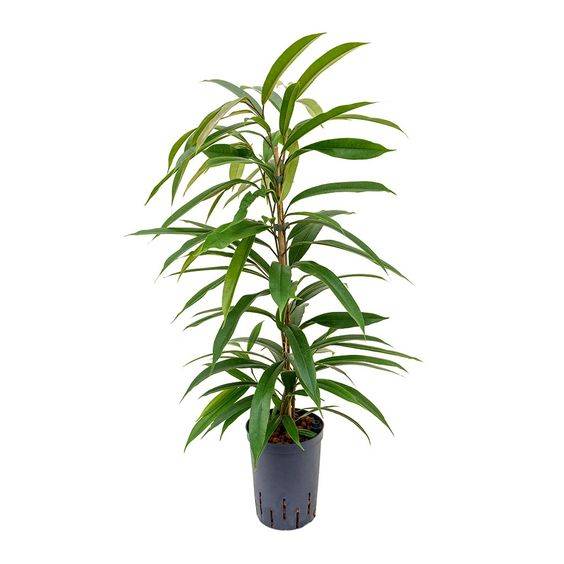
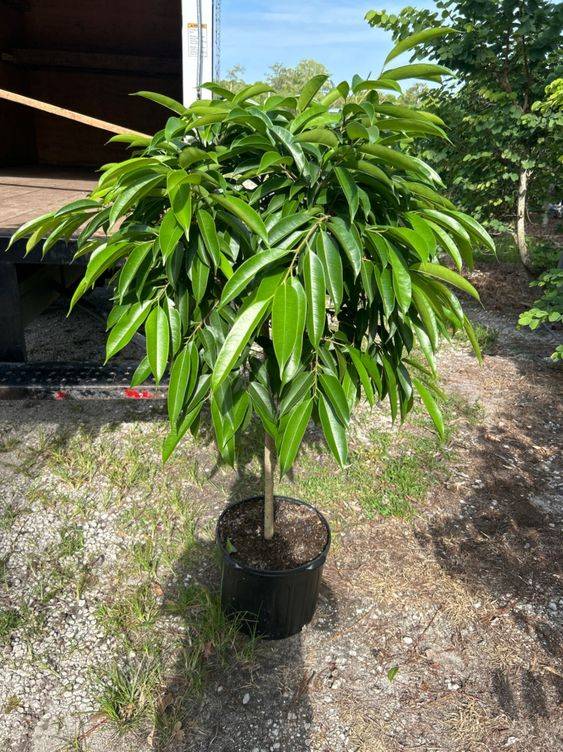
Ficus Amstel King



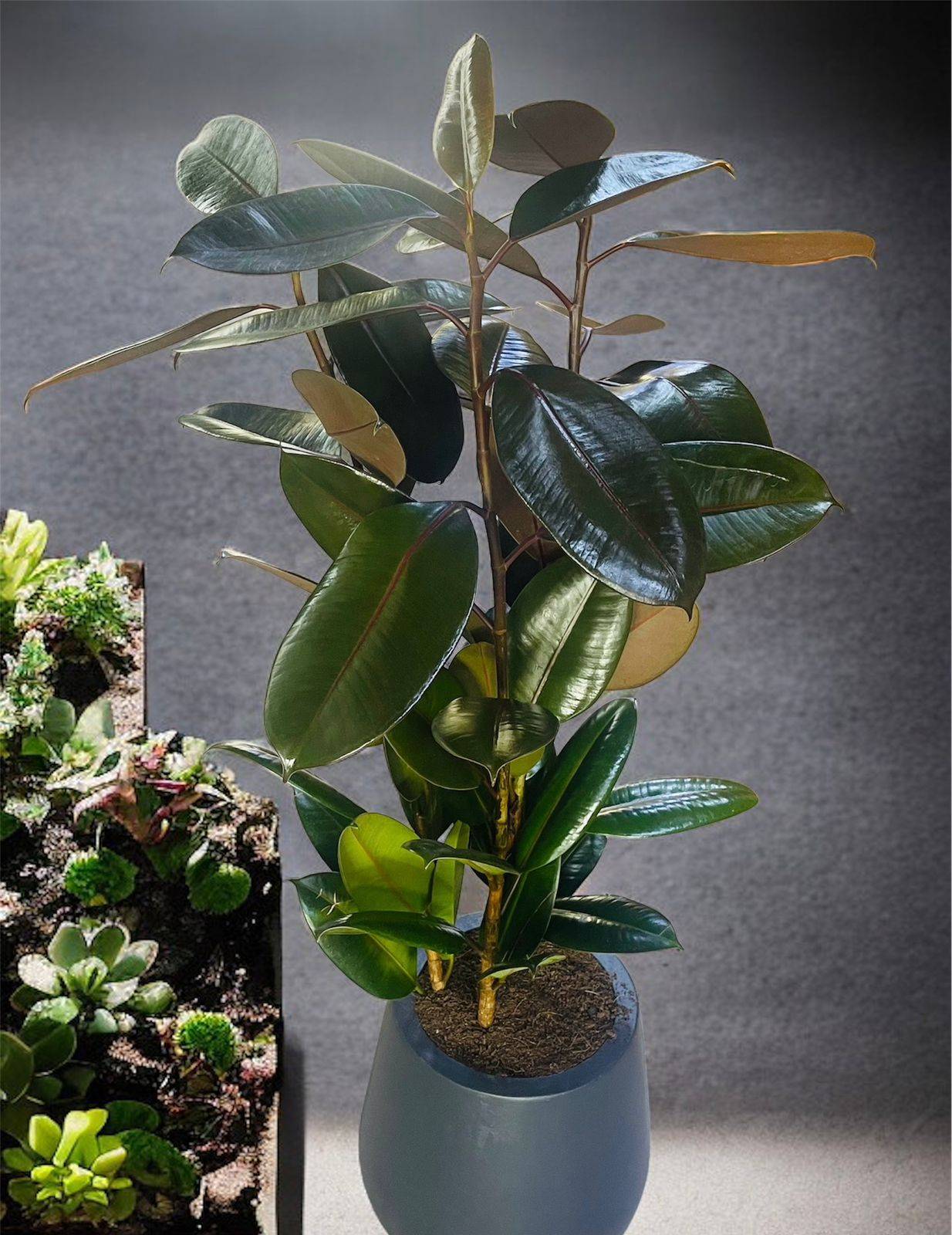
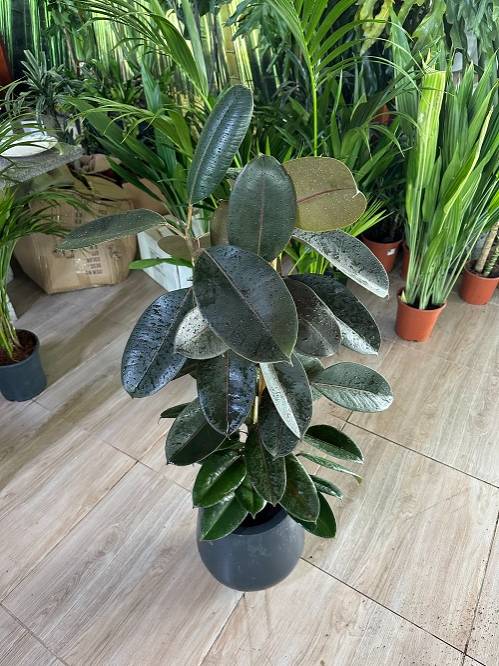
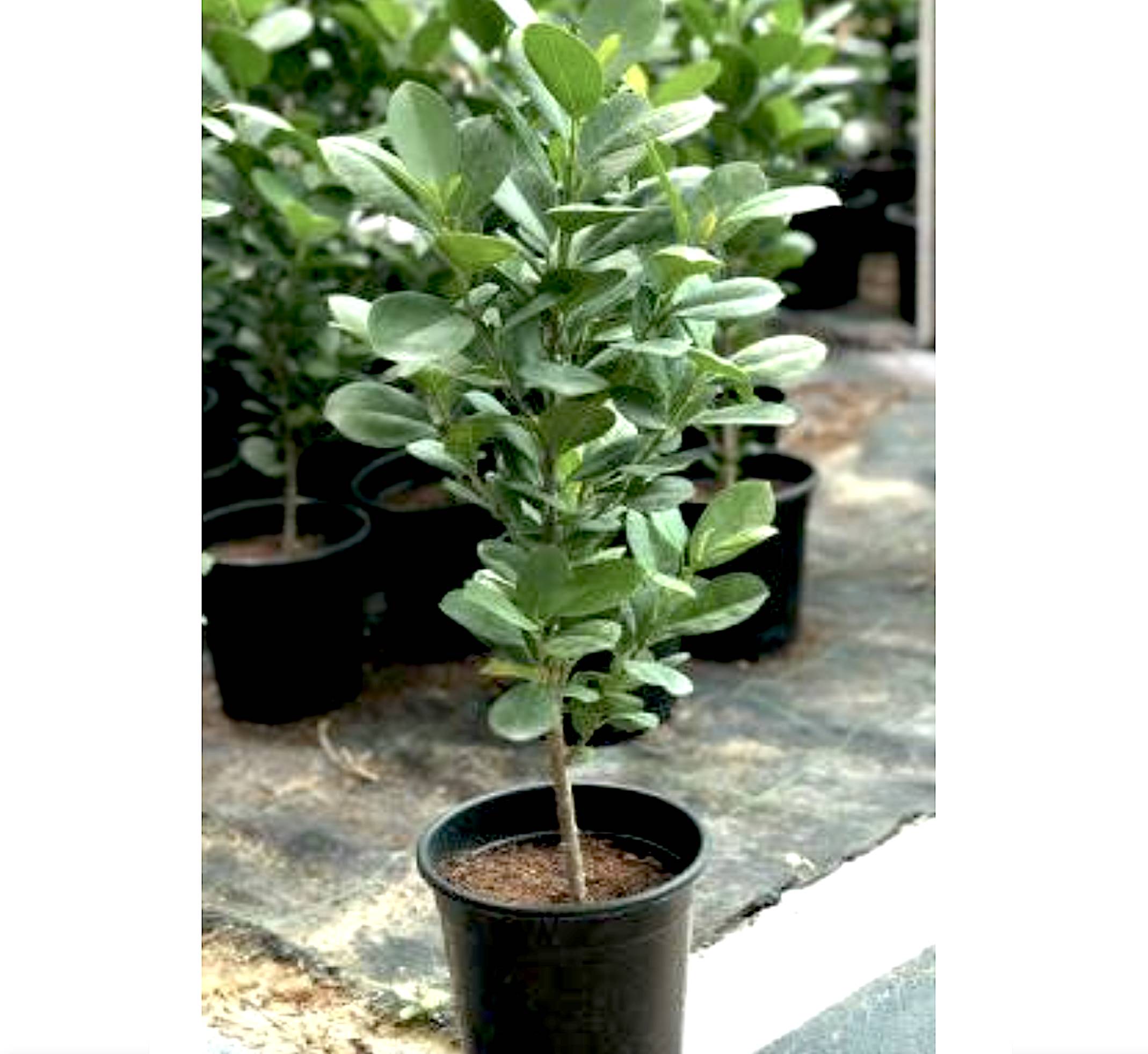
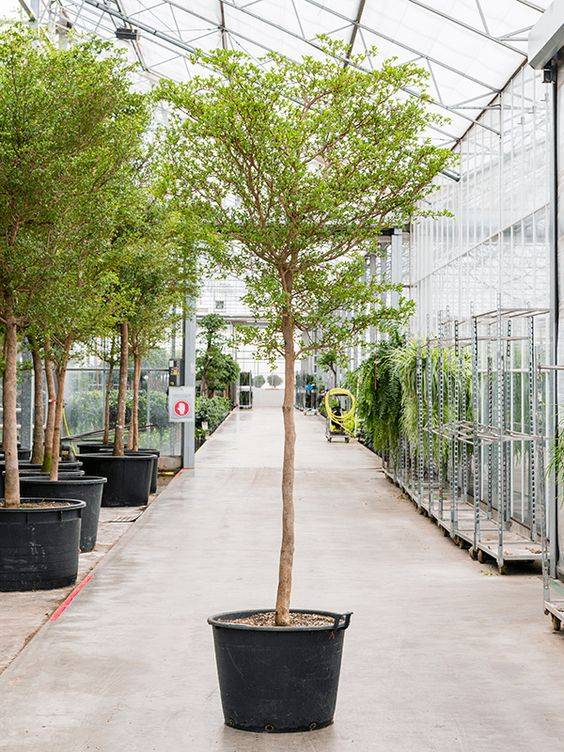
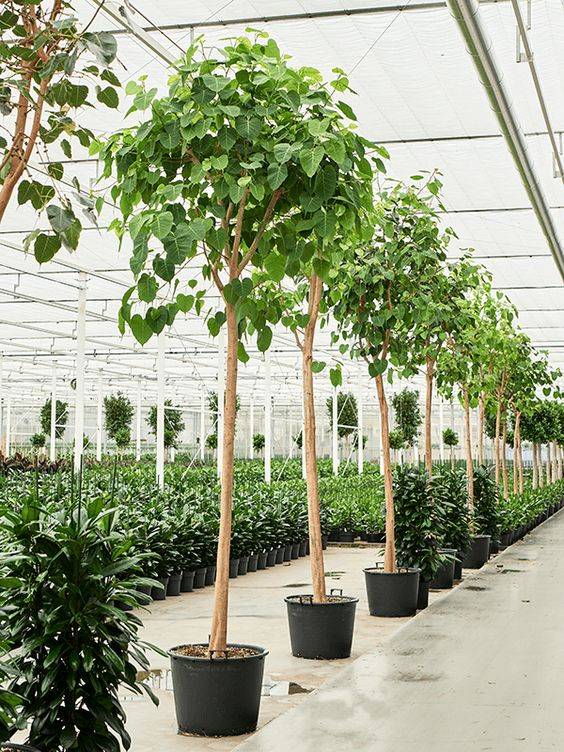
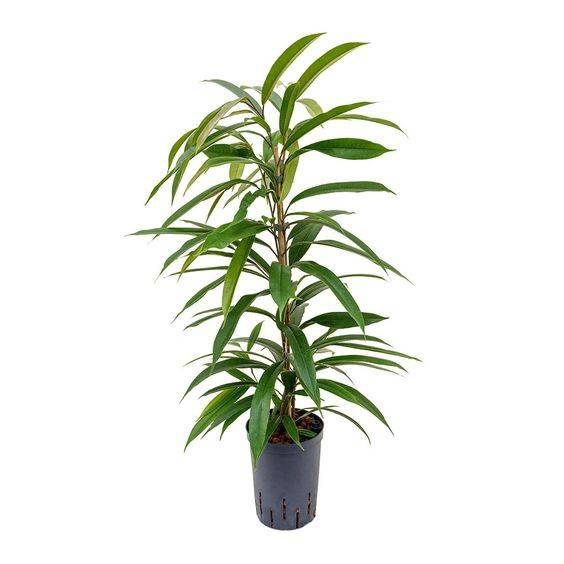
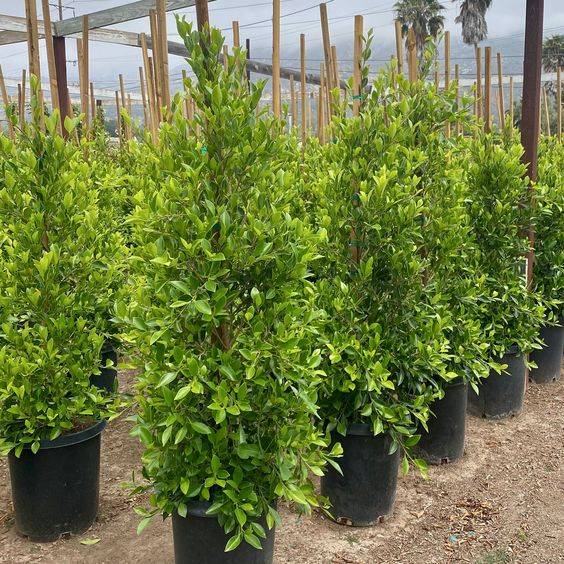
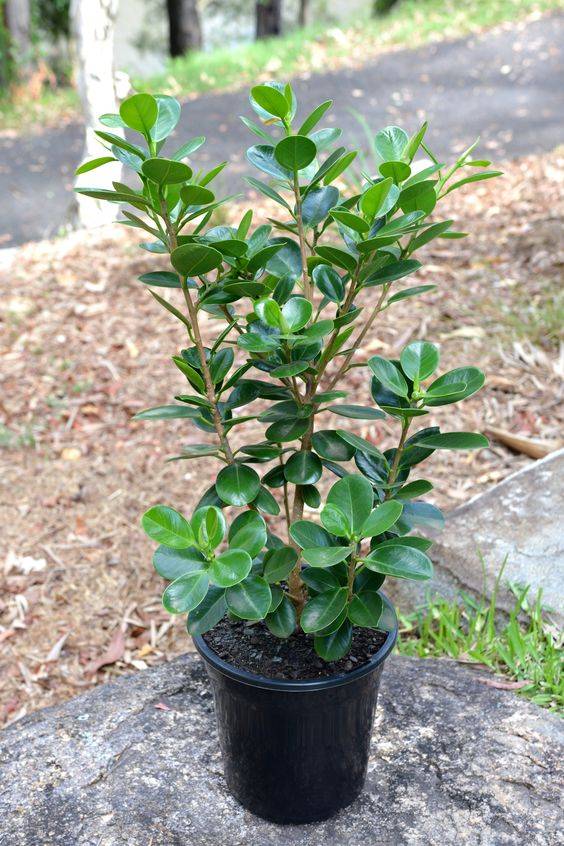
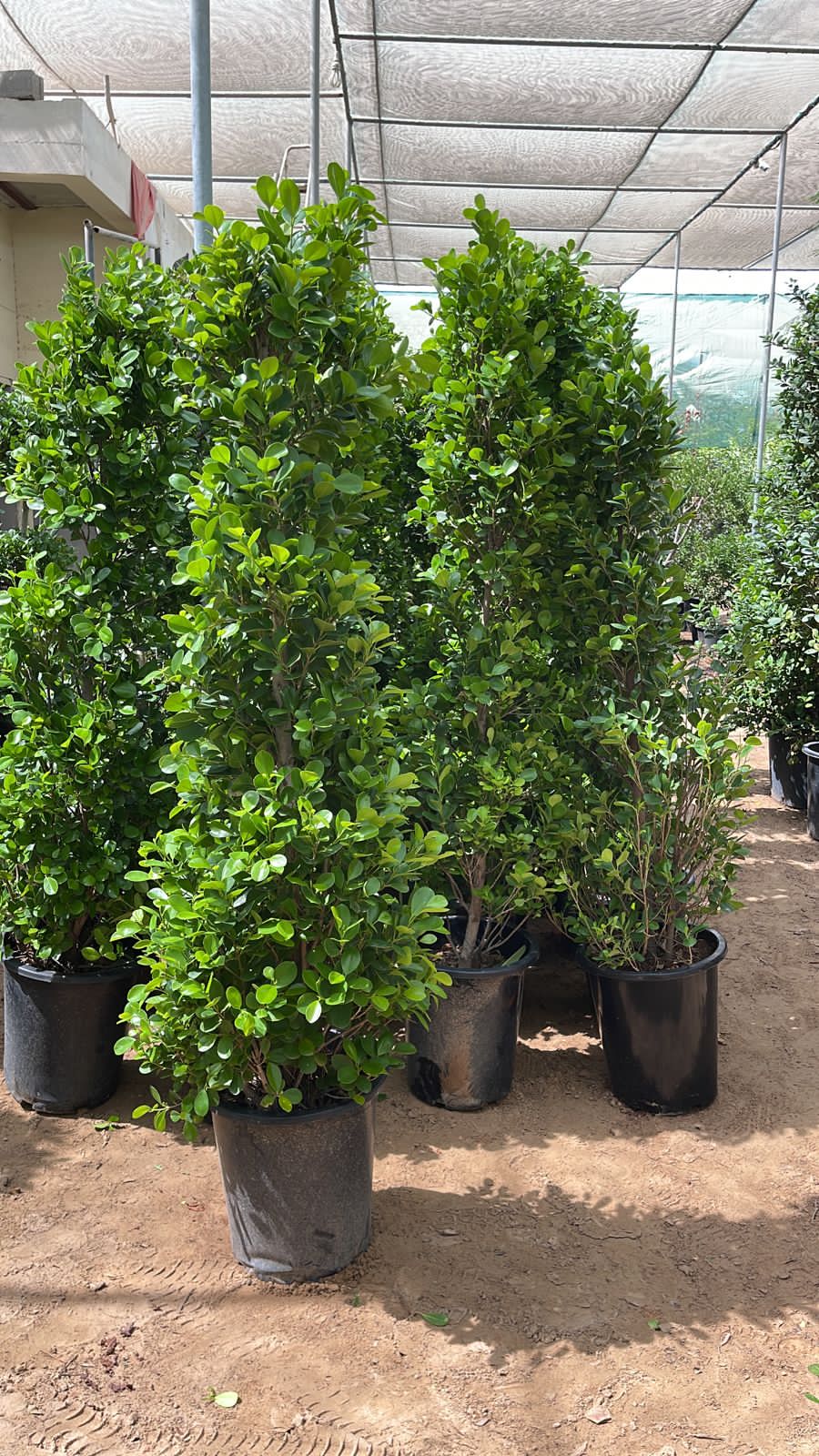
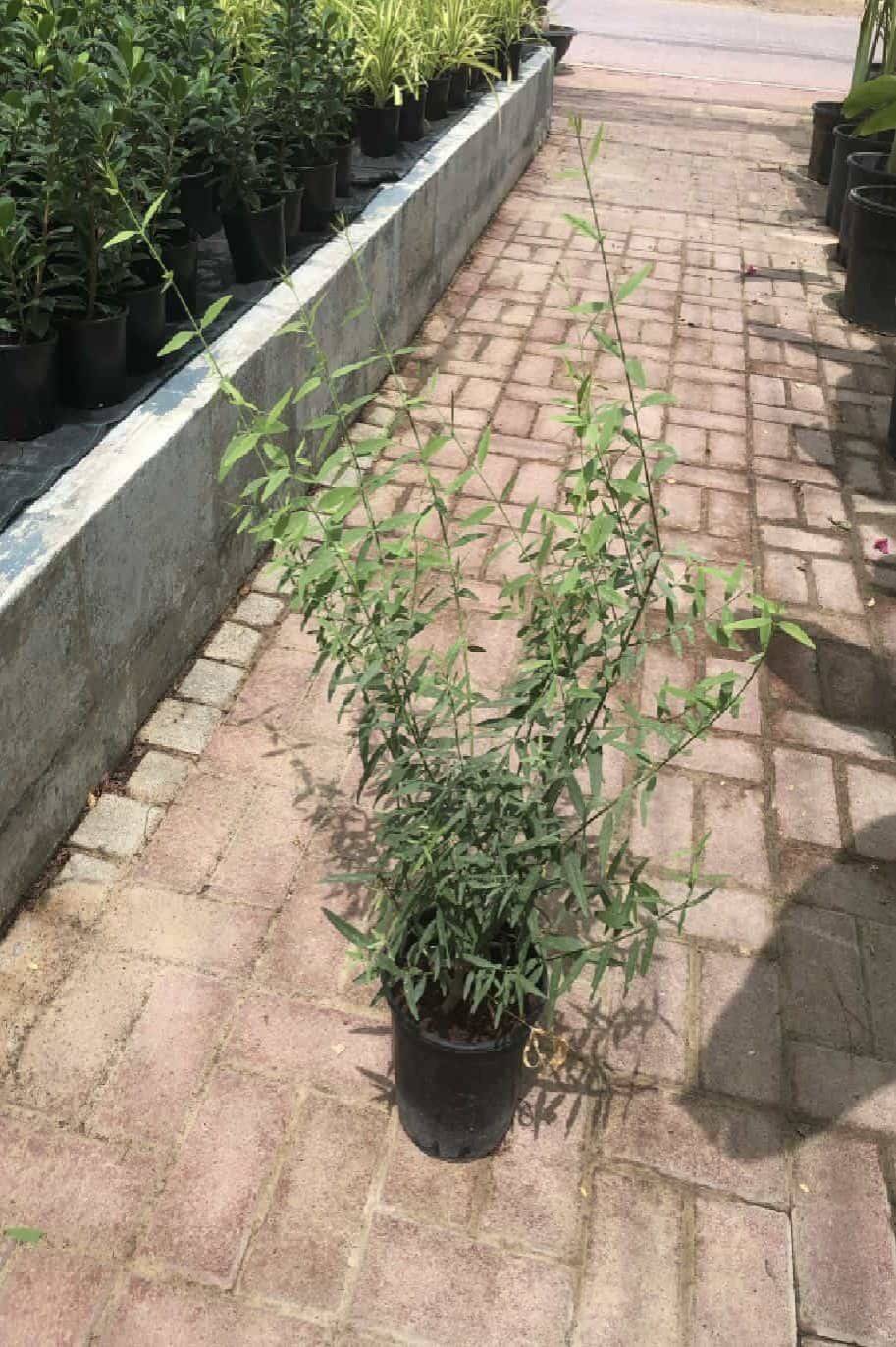
Ficus Amstel King is a tropical tree that belongs to the Ficus family. It is also known as Ficus binnendijkii ‘Amstel King’ or Narrow-leaved Rubber Tree ‘Amstel King’. The plant is native to the humid Indonesian climate and can grow up to 170 cm tall indoors. The bark of a young plant has a brown, dark color, but acquires a grey tint with white stripes as it grows. The leaves are long, elongated, leathery, and glossy, somewhat curved along the middle vein, which is most pronounced on the back of the leaf plate. This evergreen plant bears dark green, shiny leaves that are lanceolate and can be as long as 30 cm and as wide as 6 cm. The petiole grows to 4 cm. Please note that Ficus Amstel King prefers bright places with plenty of indirect sunlight but without direct sunlight. It likes to stand outdoors in summer and requires high humidity. You should regularly spray the plants with soft, lime-free water and rub leaves with a wet sponge.
Light: This plant prefers bright indirect sunlight. It can tolerate some direct sunlight but too much can scorch the leaves.
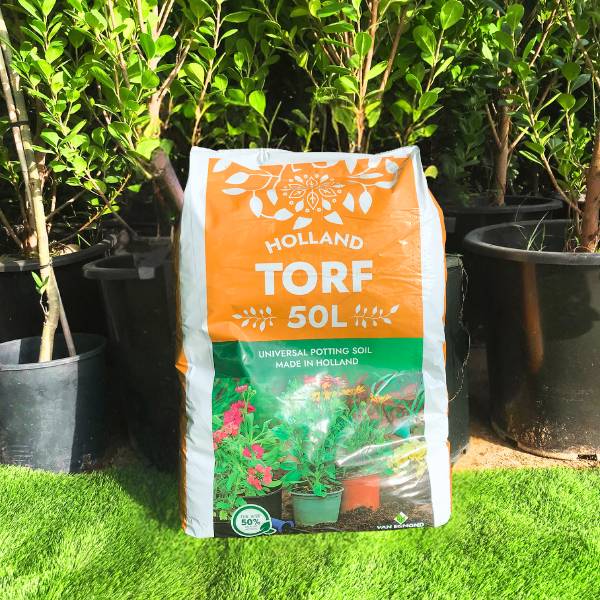
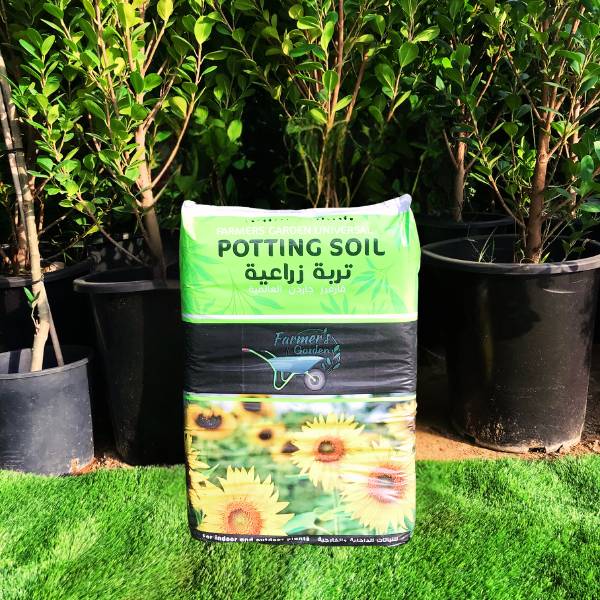
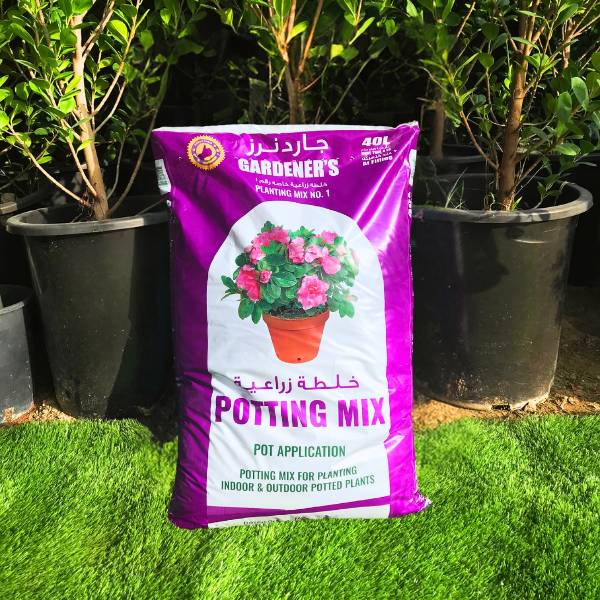
Soil: Use well-draining soil that is rich in organic matter. A mix of peat moss, perlite, and sand works well.
Water: Water the plant when the top inch of soil is dry to the touch. Do not overwater as this can lead to root rot.
Temperature and Humidity: Ficus Amstel King prefers warm temperatures between 60 and 85°F (15-29°C). It can tolerate lower temperatures but may drop its leaves if exposed to cold drafts or temperatures below 50°F (10°C). Ensure high humidity: you should regularly spray the plants with soft, lime-free water and rubbing leaves with a wet sponge.
Fertilizer: Feed the plant with a balanced fertilizer every two weeks during the growing season (spring and summer). Reduce feeding to once a month during the fall and winter months.
Pruning: Prune the plant in late winter or early spring before new growth appears. Remove any dead or diseased wood as well as any branches that are crossing or rubbing against each other.
Propagation: Propagate by taking hardwood cuttings in autumn .
Here are some step-by-step instructions for taking care of Ficus Amstel King:
Review
Related products



































Contact Info
- Address: Love gardens LLC , nursery warsan 3, Dubai
- Phone: +971 554899462
- Email: [email protected]