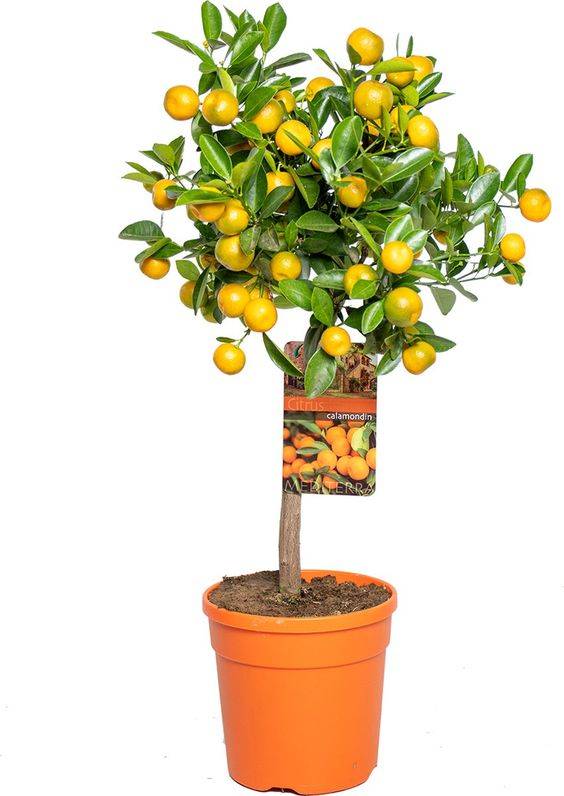


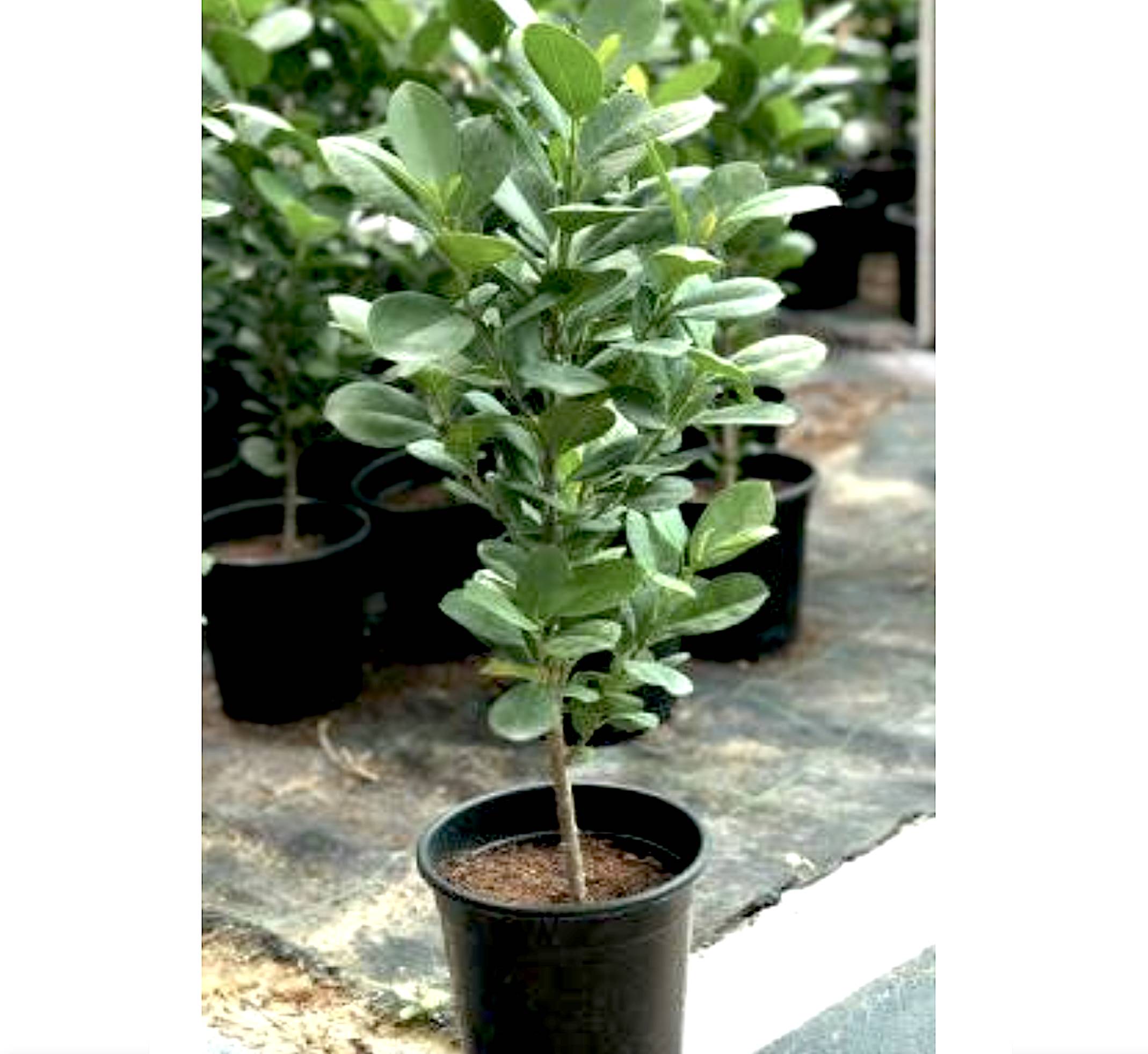
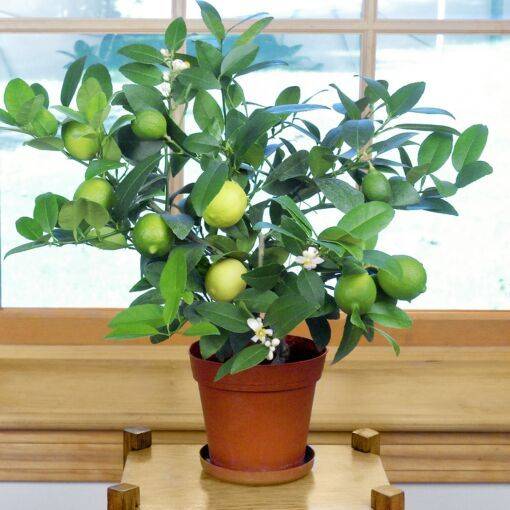
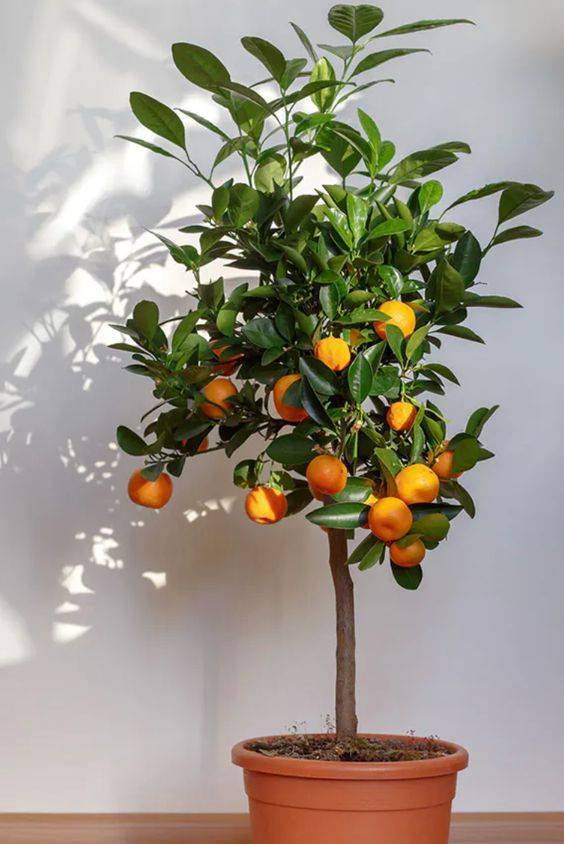
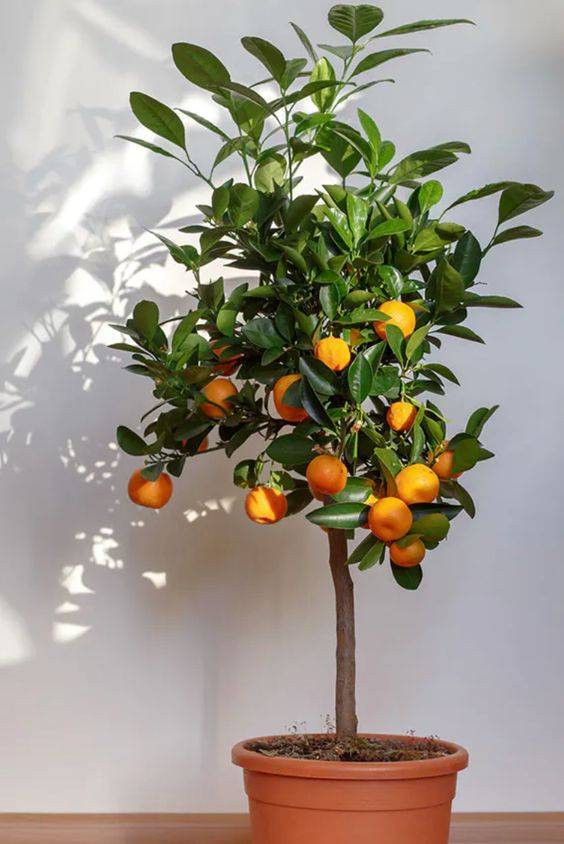
Citrus mitis (Calamondin)




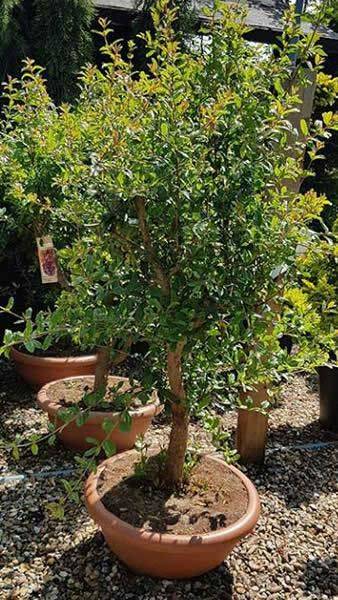
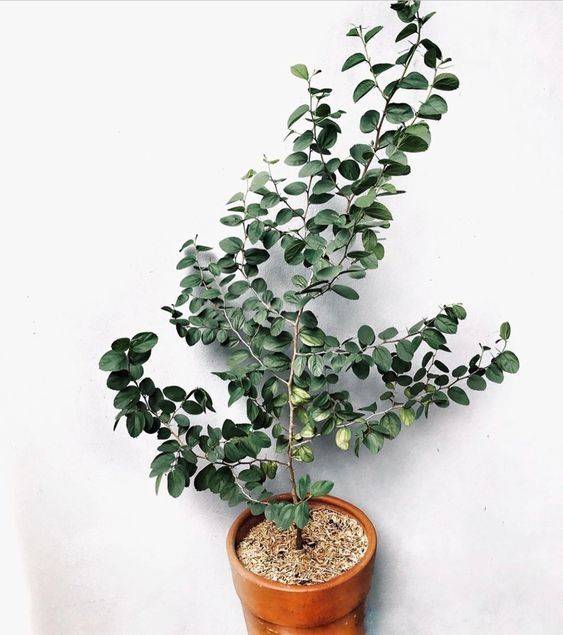
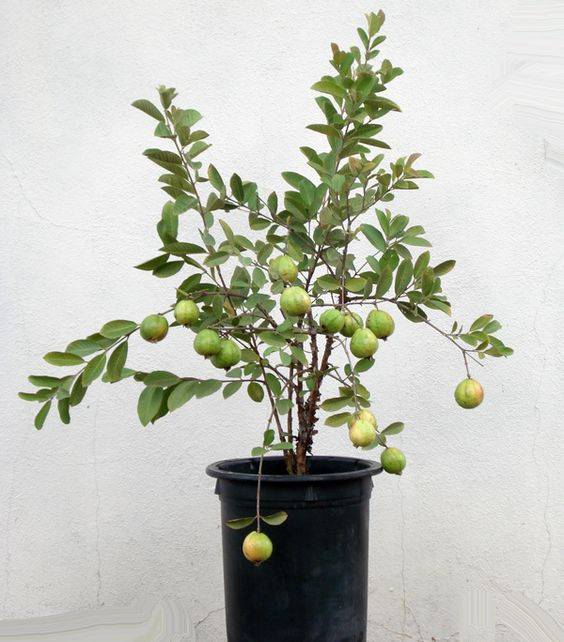
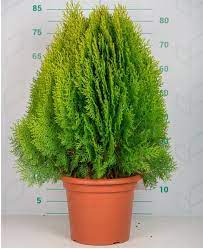
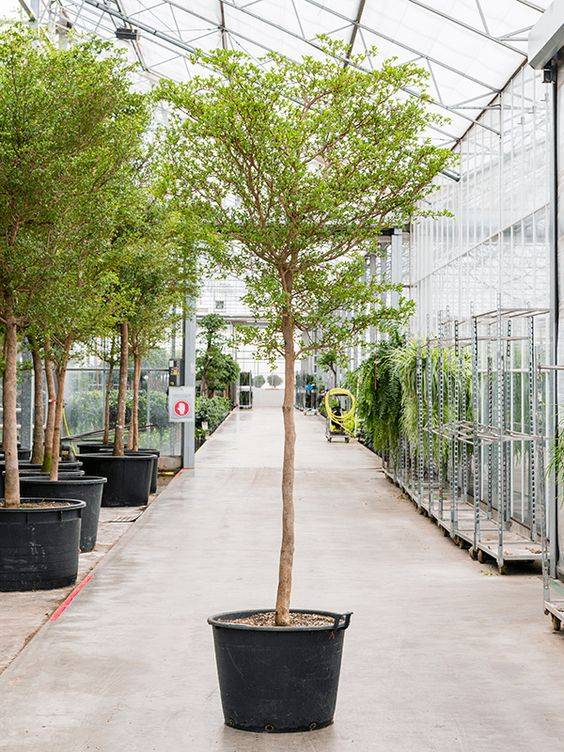
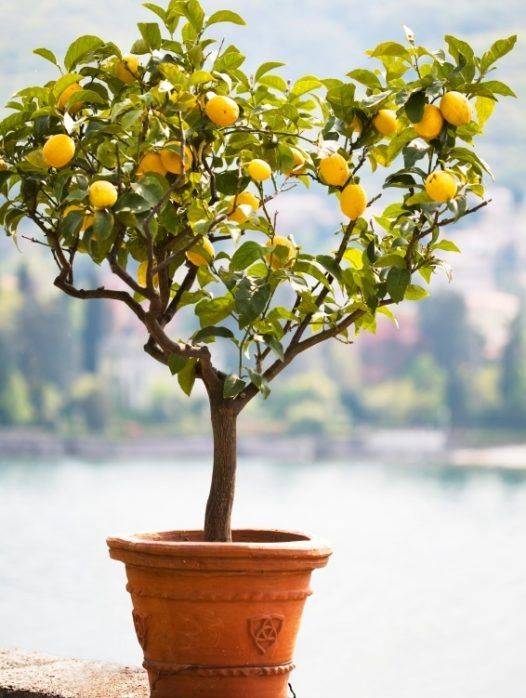
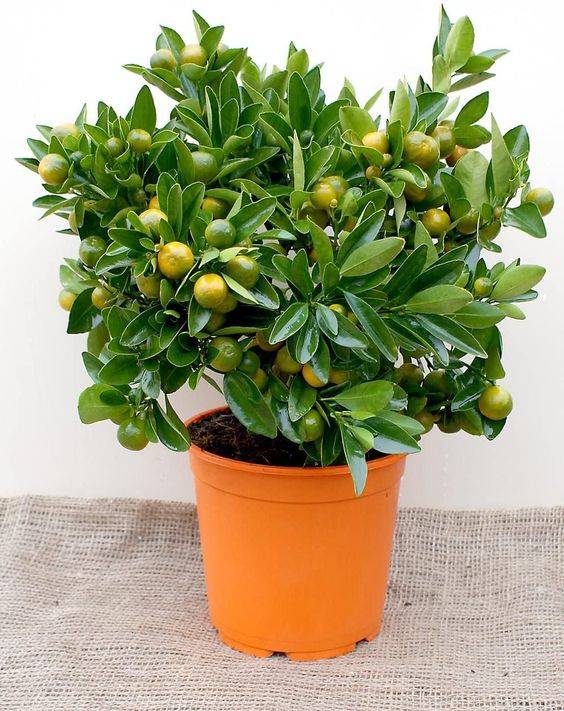
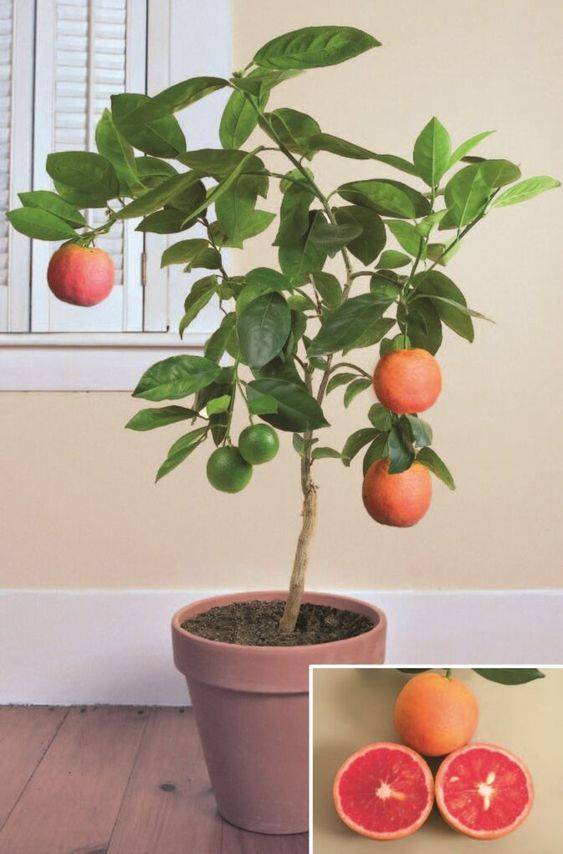
Citrus mitis, commonly known as calamondin, is a small fruit shrub that produces edible fruits, but they’re so acidic that they’re hard to digest. The plant is characterized by wing-like appendages on the leaf petioles and white or purplish flowers. The fruit of the calamondin resembles a small, round lime, usually 25–35 mm (1– 13⁄8 in) in diameter, but sometimes up to 45 mm ( 13⁄4 in). The center pulp and juice is the orange color of a tangerine with a very thin orange peel when ripe. Calamondins are a low-calorie fruit that is an excellent source of iron, potassium, vitamin C, proteins, carbohydrates, and magnesium. They are also a rich source of antioxidants, calcium, phosphorus, and flavonoids. Calamondins may help boost your immune system by encouraging the production of white blood cells and counter the negative effects of free radicals due to their antioxidant and antibacterial properties. It’s recommended to incorporate calamondins into your diet as part of an overall healthy diet containing vegetables, fruits, healthy fats, and whole grains. One cup is considered a serving.
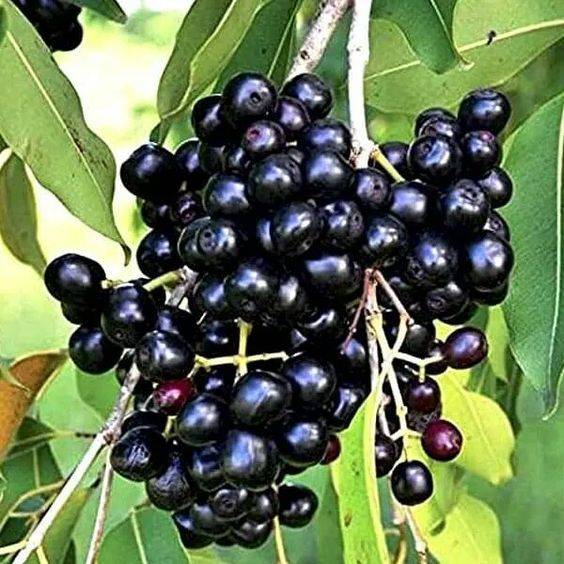
Create the ideal environment: Jambolan trees thrive in warm, sunny climates. They require full sun exposure and well-drained soils with a pH range of 5.5 to 6.5. The tree is sensitive to cold temperatures and thrives in warm, moist climates.
Plant the tree: Plant your jambolan tree in a location that receives at least 8 hours of sunlight daily year-round and that never drops below 41 to 44 °F (5 to 7 °C). If you live in a colder climate, grow your jambolan tree indoors during the colder months. Once temperatures begin dropping and frost starts appearing on the ground, bring your jambolan tree indoors to a sunroom, a patio, a greenhouse, or some other room that will still allow it to receive abundant sunlight.
Fertilize and water the tree: Jambolan trees require regular watering and fertilization. Water your tree thoroughly once per week, allowing soil to partially drain in between. Use a citrus fertilizer to help the tree produce more fruit.
Harvest and prune: Once your jambolan tree is 2 to 3 years old, you should be able to harvest anywhere from 10 to 30 fruits every year! Pick fruits once they are firm and ripe. Prune your jambolan tree from time to time if you find it’s getting unruly or too large.
Here are some step-by-step instructions for caring for your Citrus mitis tree:
Review
Related products



















































Contact Info
- Address: Love gardens LLC , nursery warsan 3, Dubai
- Phone: +971 554899462
- Email: [email protected]